
Last updated November 5, 2026
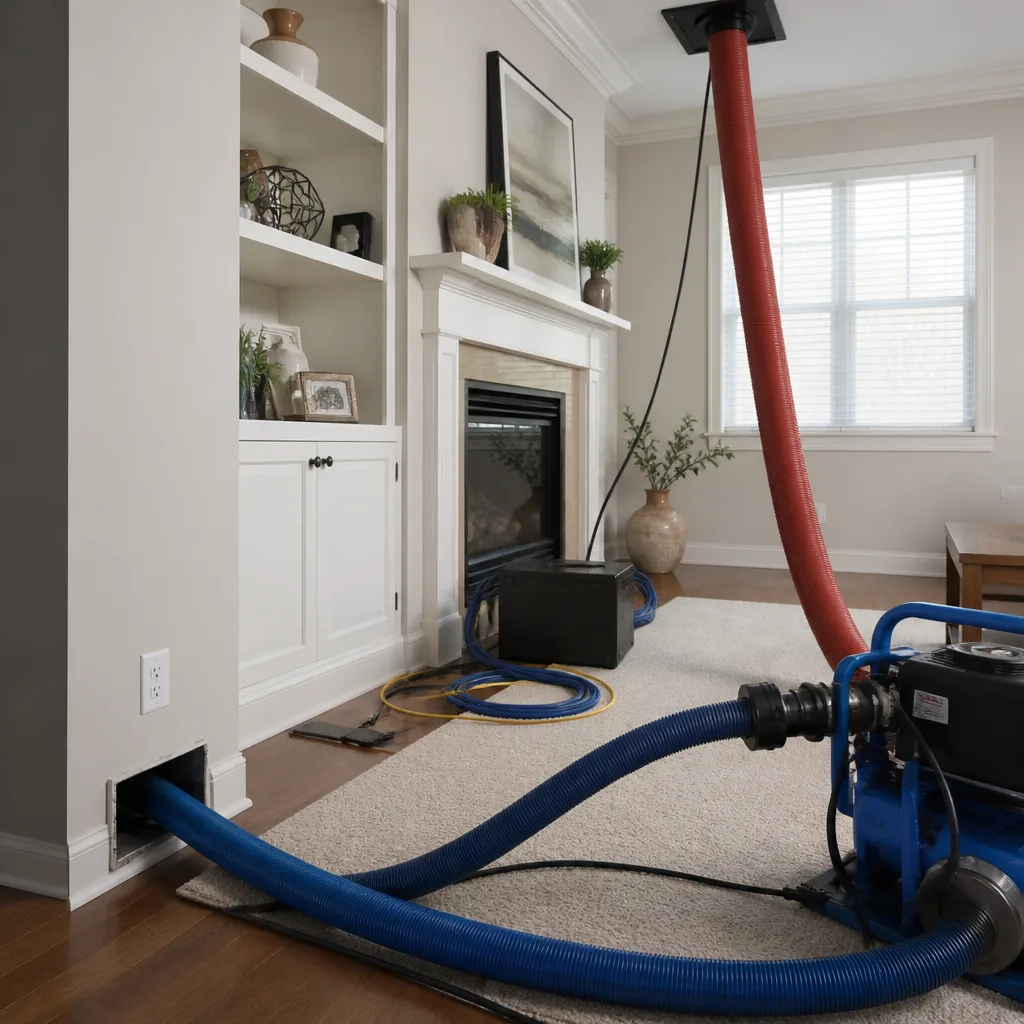 Whole-home duct cleaning
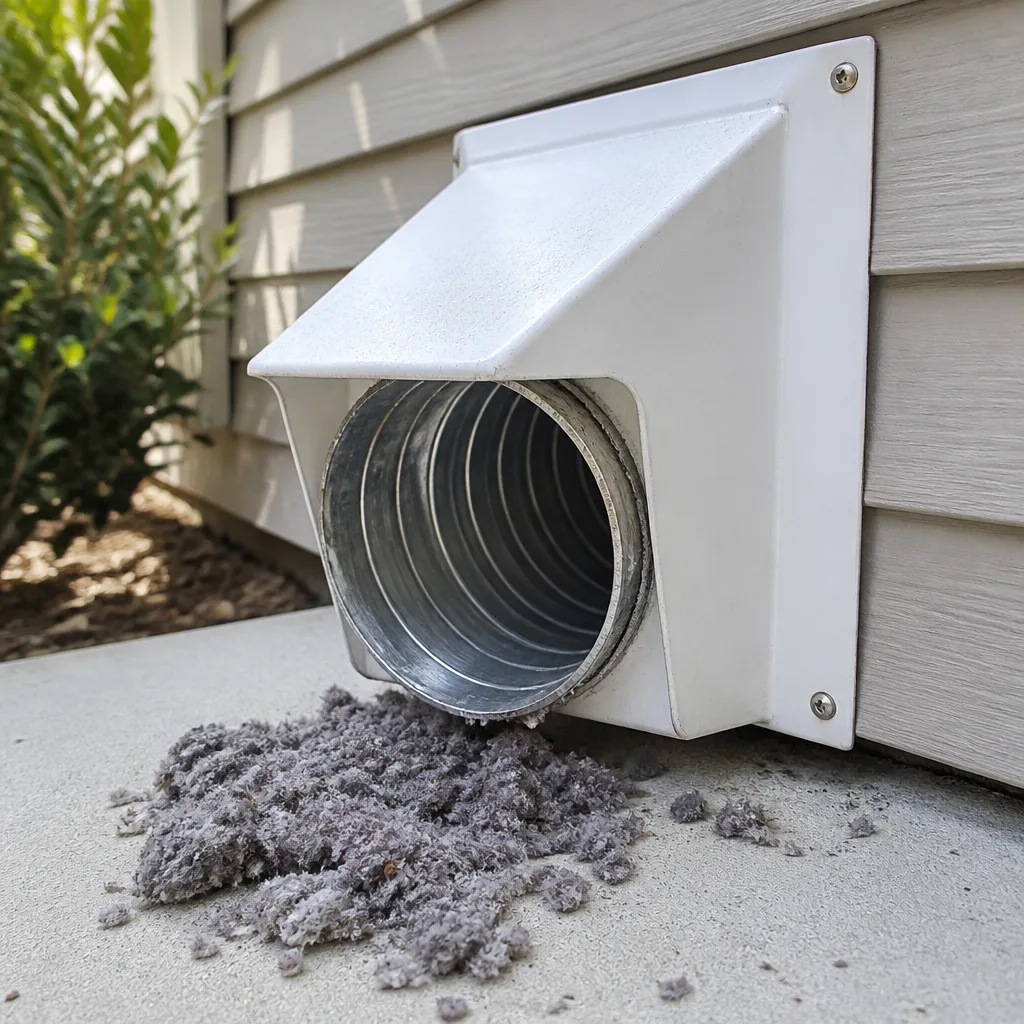 Dryer vent cleaning
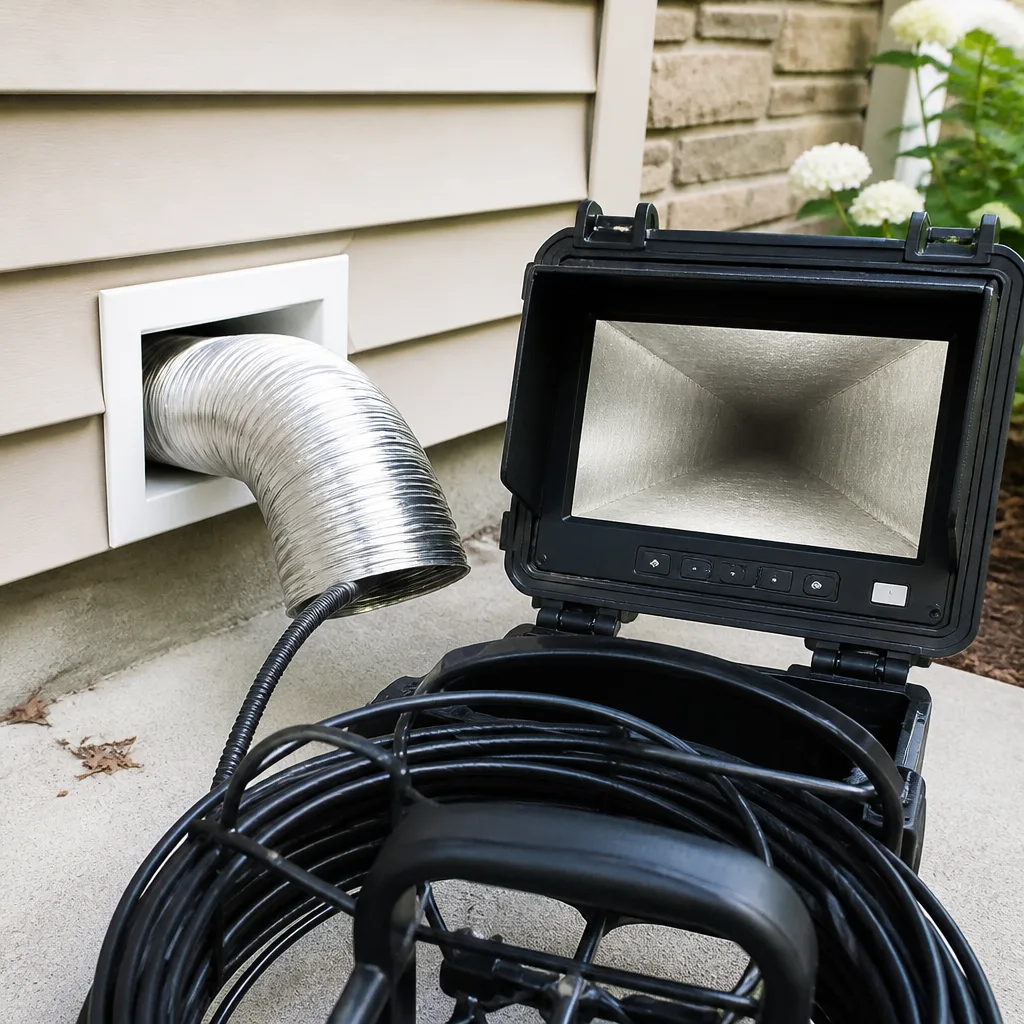 Camera inspection
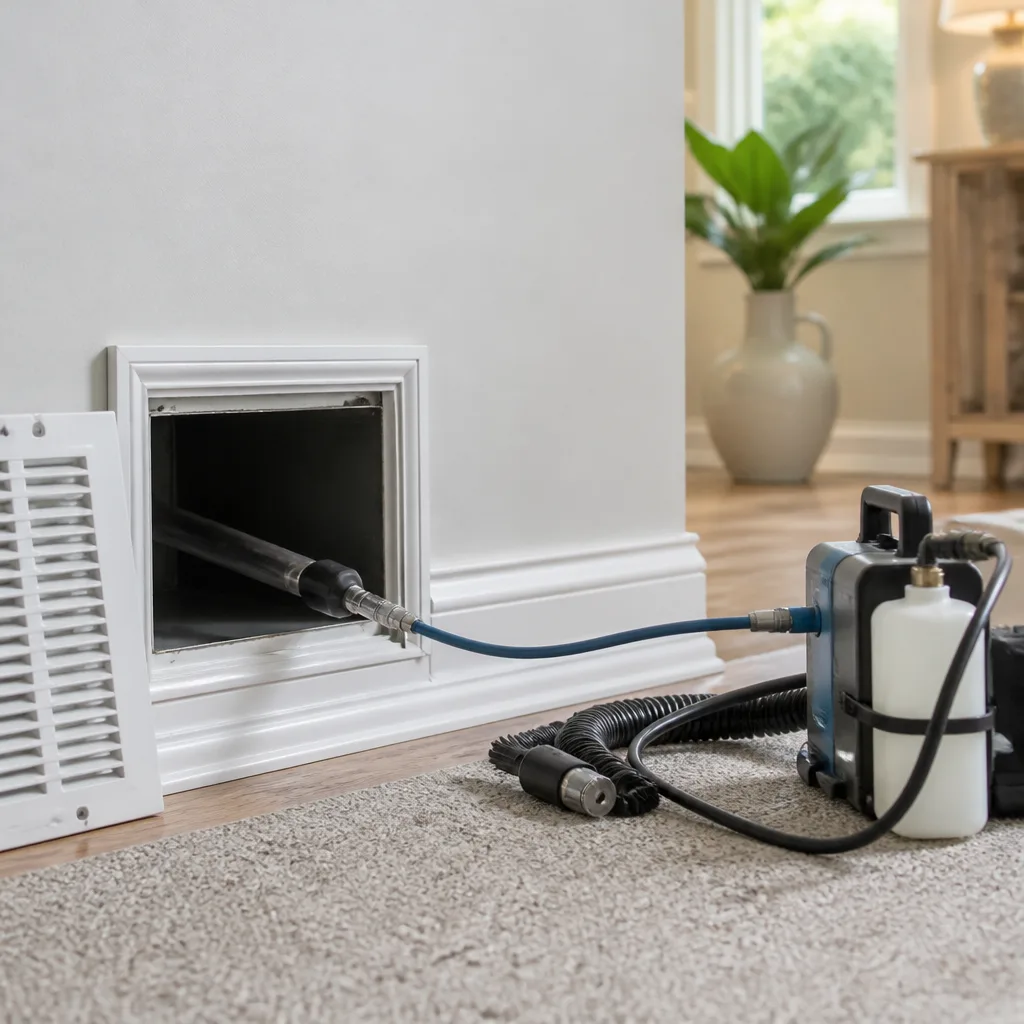 Sanitizing & deodorizing
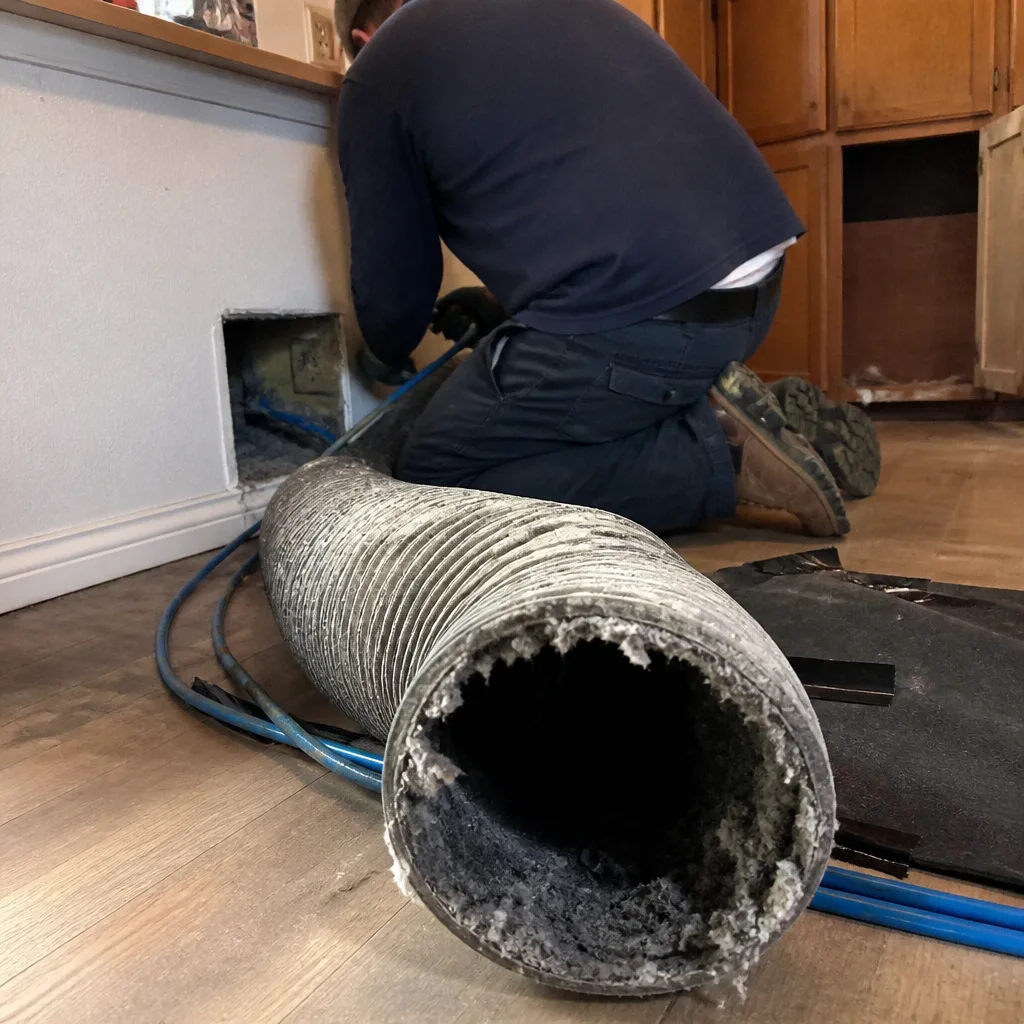
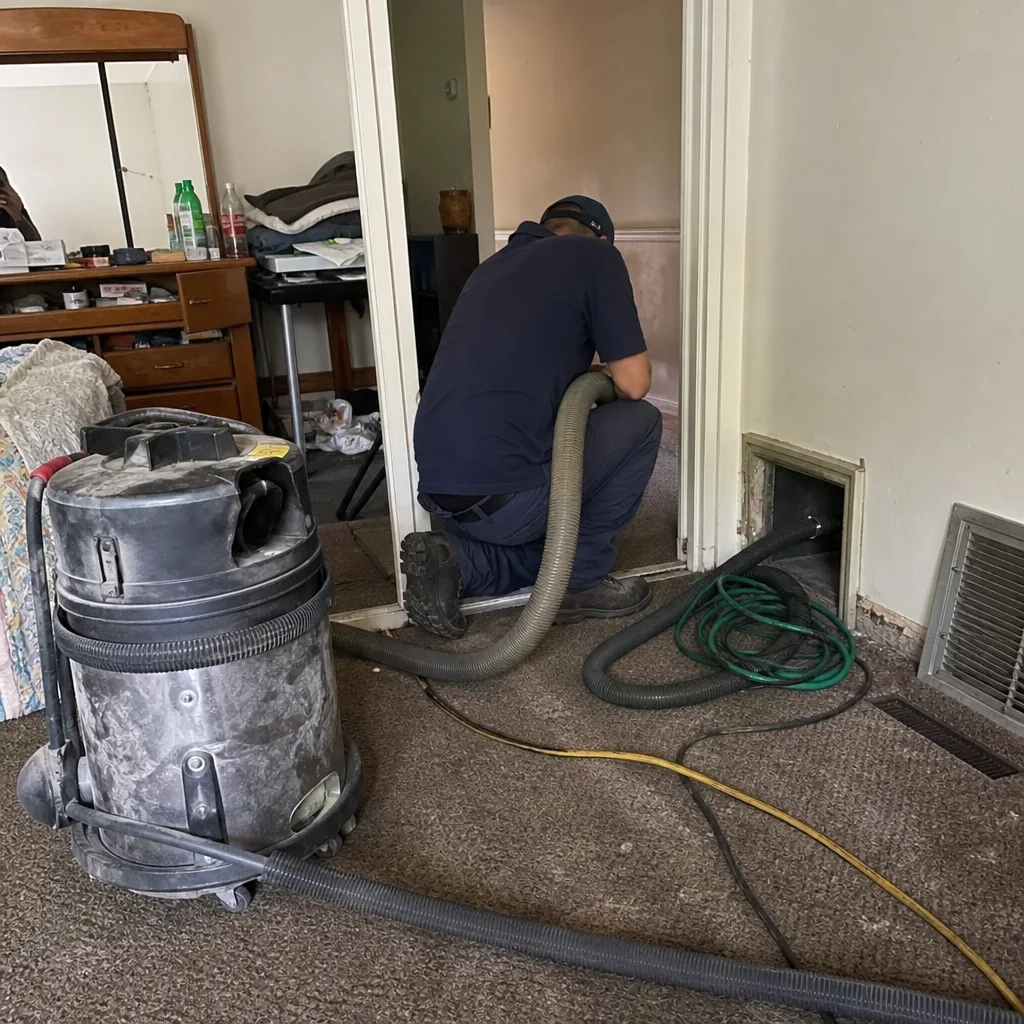
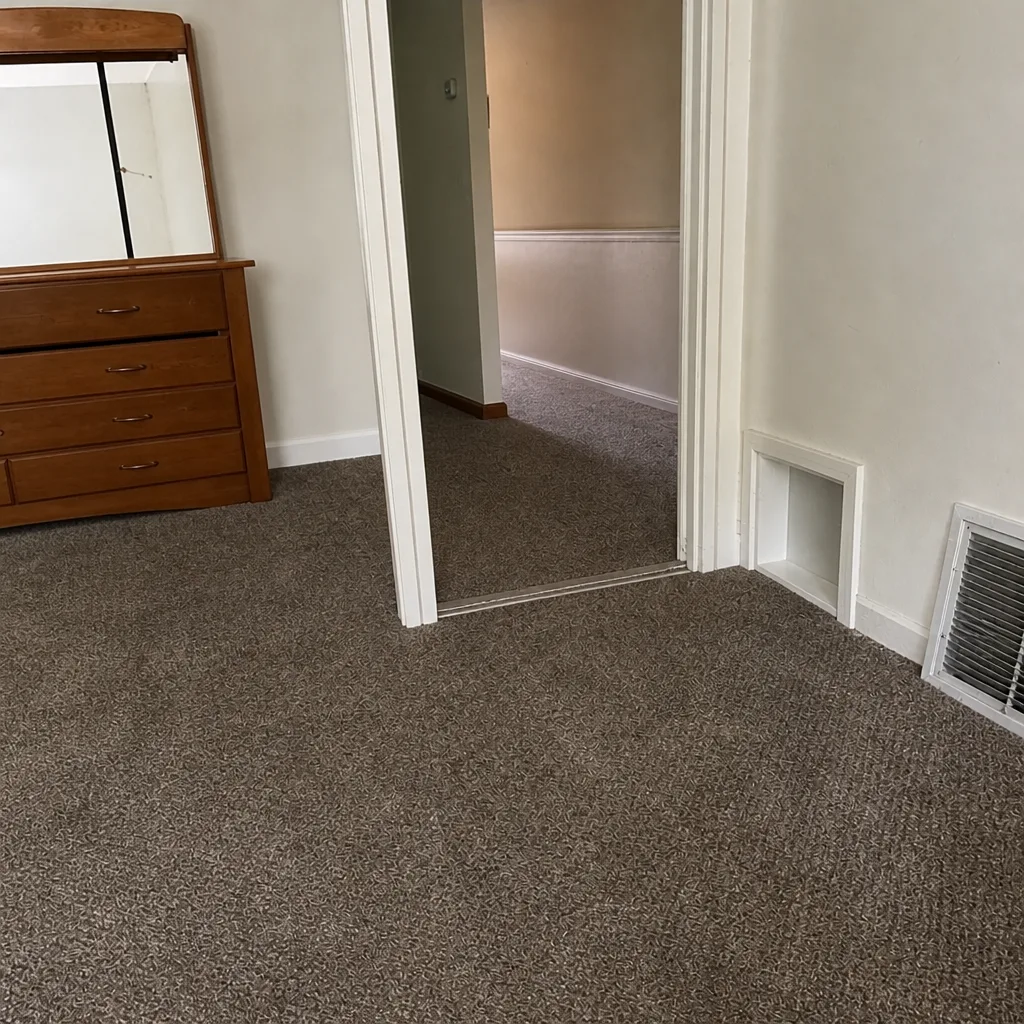
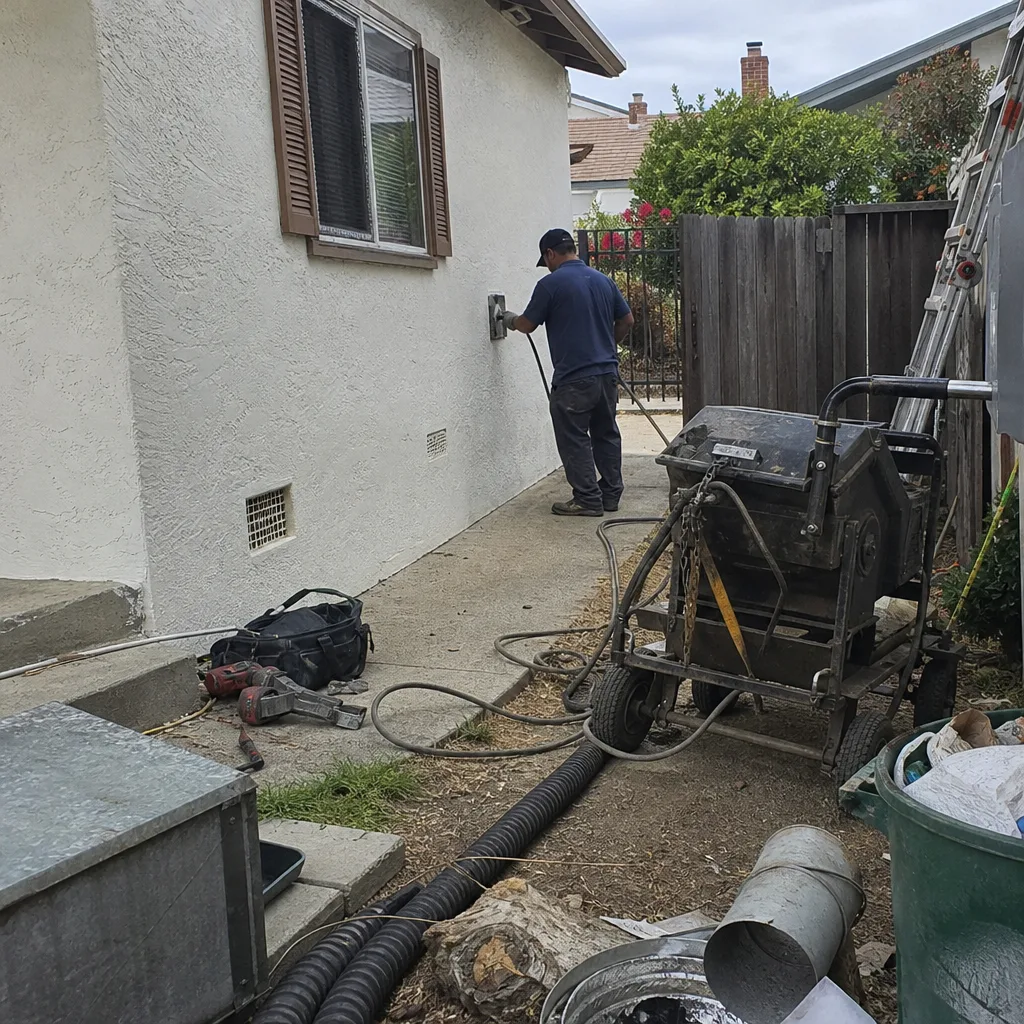
Whole-system duct and dryer vent check with before-and-after photos - you see exactly what came out of your vents
That "$99 whole-house special" is a bait ad - the real number appears once they are in your hallway, or the "clean" is a shop-vac at the register. We photograph the inside of your ducts before and after instead.
Seasonal Air Duct Cleaning Care for San Leandro: Year-Round Homeowner’s Guide
Most duct cleaning advice you’ll find was written for a generic American climate with four distinct seasons. San Leandro doesn’t work that way. Our real seasonal drivers are the marine layer that lingers through early summer, a defined wildfire smoke window in late summer and fall, and a humidity cycle that stresses flexible ductwork in ways a Denver or Minneapolis guide never addresses. If you’ve been following a national maintenance calendar, you’ve been optimizing for weather we don’t have. This guide replaces that with a schedule built around what actually happens to duct systems in San Leandro homes.
Quick Answer
Seasonal air duct cleaning in San Leandro should be timed around three local events: the May-June transition from heating to cooling, the August-October wildfire smoke window, and the post-rainy-season humidity drop in early spring. Most homes benefit from a professional duct cleaning every 2-4 years, with the interval shortened by smoke exposure, renovation work, pets, or respiratory conditions in the household. The best timing for a cleaning is right after the smoke season ends or immediately after the seasonal HVAC mode switch, when duct problems become visible.
Styles & brands we work with
- Whole-home duct cleaning
- Dryer vent cleaning
- Camera inspection
- Sanitizing & deodorizing
Table of Contents
- Why San Leandro’s Climate Breaks the National Duct Cleaning Calendar
- Wildfire Smoke Season: The Single Biggest Local Variable
- The Heat-to-Cool Transition: Why Mode Switches Stress Duct Joints
- A Month-by-Month Duct Care Calendar for San Leandro
- Humidity, Condensation, and Where Moisture Damage Actually Starts
- Flex Duct Stiffening: The Overlooked Spring Problem
- Non-Seasonal Triggers: Renovation and Pre-Sale Timing
- How to Inspect Your Own Ducts Between Professional Cleanings
Why San Leandro’s Climate Breaks the National Duct Cleaning Calendar
San Leandro sits in a Mediterranean climate zone, but the Bay’s influence makes it a specific variant: cool, damp mornings that burn off into dry afternoons for much of the year. Relative humidity swings from morning highs near 80-90% during marine layer season to afternoon lows that can dip below 40%. That daily cycle matters for ductwork because air inside supply ducts cools below the dew point during morning operation, then dries rapidly by afternoon. Repeated daily condensation-and-drying cycles stress the adhesive seams and foil tape on flexible duct connectors over time.
National guides tell you to clean ducts in spring and fall, which tracks for heating and cooling dominated climates. San Leandro homes run their HVAC systems less overall than homes in the Central Valley or the Midwest, but they cycle more frequently in the shoulder seasons. That frequent cycling is what loosens particulate in ducts and makes it available to circulate when airflow kicks on. A home that short-cycles the blower forty times a day in April will distribute whatever has settled in the return plenum far more thoroughly than a home that runs constant airflow in July.
What this means for scheduling: San Leandro homeowners should think of duct cleaning as an event-driven service, not a date-driven one. The three events that matter are smoke intrusion, HVAC mode transitions, and renovation or construction work. If none of those have occurred in three to four years, an inspection is overdue regardless of season.
Wildfire Smoke Season: The Single Biggest Local Variable
August through October is the window when wildfire smoke from Northern California fires most often reaches San Leandro. Depending on wind patterns, smoke can linger for days or weeks at a time. During those periods, homes with forced-air HVAC systems pull outdoor air through the return side and push it through every supply register. The filter captures some particulate, but the smallest smoke particles pass through standard MERV 8 filters and settle inside the duct system.
Here’s the problem that generic maintenance advice misses: smoke particulate doesn’t just sit passively in ducts. Smoke contains fine carbon particles, volatile organic compounds, and combustion byproducts that adhere to dust already present in the duct lining. Once adhered, this residue is heavier and stickier than ordinary household dust. That means it tends to remain in place until either a professional cleaning removes it or enough new dust accumulates that the combined load begins to shed back into the airstream. A single prolonged smoke event can deposit more particulate in a San Leandro duct system in one week than a full year of ordinary indoor activity.
Post-Smoke Protocol: When to Clean vs. When to Replace Filters
After a significant smoke event, run through this assessment before deciding whether professional duct cleaning is warranted:
- Check your filter first. If the filter you had installed before the smoke event is visibly blackened or clogged after the event, significant particulate reached your system, and the filter was doing heavy work. Replace it and continue monitoring.
- Smell the air from supply registers. Turn the fan to “on” at the thermostat and stand near a supply register. If you notice a campfire-like odor that persists after the outdoor smoke has cleared, smoke residue is likely coating the duct interior or the blower wheel.
- Inspect register faces. Remove a supply register in a frequently used room and look at the inside of the register boot with a flashlight. Dark, streaky residue on the boot interior indicates smoke deposition past the filter. That’s a clear signal for professional cleaning.
- Consider household sensitivity. If anyone in the home has asthma, COPD, allergies, or other respiratory conditions, err on the side of cleaning after any smoke event that lasted more than 48 hours with visible outdoor haze.
In our experience with homes across San Leandro, the threshold for professional intervention after a smoke season is crossed more often than most homeowners expect. The equipment we run – including Rotobrush rotary brush systems and Nikro HEPA-vacuum rigs – is designed to extract adhered particulate that a filter change cannot address. A shop vac with a hose cannot reach what a commercial-grade negative-air setup removes.
The Heat-to-Cool Transition: Why Mode Switches Stress Duct Joints
Twice a year, San Leandro HVAC systems switch operating modes: heating in the cooler months, cooling when summer temperatures rise. That switch changes the temperature of air moving through the ductwork by 30 to 50 degrees, and that temperature change causes duct materials to expand and contract. The male end of a duct joint and the female end move at slightly different rates. Over years of seasonal cycling, this movement works tape adhesive loose and widens small gaps.
Why this matters more in San Leandro than in climates with steady heating or cooling: our system switchovers happen in short windows, not gradually. A typical San Leandro May goes from morning lows in the low 50s to afternoon highs near 70 within weeks, and the thermostat follows. The ductwork goes from carrying 120-degree heated air to 55-degree conditioned air across a single week. That abrupt transition is exactly when weakened joints fail.
What to Check After a Mode Switch
- Register airflow consistency: After the first full week of AC operation, feel the air velocity at each supply register. A room that suddenly feels weaker than others often points to a disconnected or separated duct joint upstream.
- New rattling or ticking sounds: Duct hangers and straps shift as ducts expand and contract. A new noise after a mode switch suggests a section of duct has moved against framing or another duct.
- Temperature differentials between rooms: If one bedroom now runs 5+ degrees warmer than it did during the last cooling season, air is likely escaping through a failed joint or a crushed flex run before it reaches the room.
This is where the repair capability genuinely matters. A company that only cleans ducts will find a disconnected joint, tell you about it, and recommend you call an HVAC contractor. Air duct cleaning with us includes inspection, and when we find a failed joint during a cleaning visit, we repair it on the spot. One visit handles cleaning and sealing – our technicians carry the materials and tools to fix separated joints, taped-over gaps that have failed, and minor flex duct damage. You don’t schedule a second appointment and wait another week with a room that won’t cool.
A Month-by-Month Duct Care Calendar for San Leandro
This calendar accounts for San Leandro’s actual weather patterns and event triggers. It is not a recommendation to call a professional every month. Most months require only homeowner-level observation and basic filter maintenance. The professional intervention points are noted clearly.
January – February: Rainy Season Observation
- Watch for register moisture: During and after rain events, check supply registers in rooms closest to the crawlspace or attic access. Moisture or water staining around the register boot can indicate a roofing leak dripping onto ductwork or a condensation problem in the plenum.
- Listen for blower strain: If the blower sounds like it’s working harder than usual during heat cycles, the filter may be loading up faster than expected. Winter in San Leandro means more indoor time and more particulate in household air.
- Replace the filter: A monthly filter check is genuinely sufficient for most San Leandro homes during this season. Use a MERV 8-11 filter unless you have confirmed your blower can handle MERV 13 pressure drop.
March – April: Post-Rain Humidity Drop
- This is the flex duct vulnerable window. Rainy season humidity keeps flex duct pliable. When the rains stop and afternoon humidity drops, older flex duct outer jackets stiffen. Cracks can form where duct runs make tight bends. We cover this in detail below.
- Inspect accessible duct runs: If you have a crawlspace or attic with visible flex duct, this is the time to look for sagging sections. A sag of more than 2 inches per 8 feet of run restricts airflow and stresses the inner liner.
- Consider a professional inspection if you notice damp or musty odors when the heat cycles on – this can signal mildew growth in a low-point duct section that collected condensation during winter.
May – June: Cooling Season Start
- Switch the thermostat to cooling. That action alone triggers the duct expansion-and-contraction cycle described above. Run the AC for several days, then check register airflow and listen for new noises.
- Listen for duct “popping.” The sudden temperature change can cause metal panned return ducts to flex audibly. A single pop is normal. Repeated popping every cycle suggests a joint has failed and needs mechanical fastening rather than tape.
- This is a high-value window for professional cleaning: Cleaning after the heating season but before heavy cooling demand removes the winter’s accumulated dust before the AC system begins recirculating it in closed-up, air-conditioned air.
July – September: Smoke Season Monitoring
- Track wildfire activity. When air quality alerts reach “unhealthy for sensitive groups” levels in San Leandro, your HVAC system is actively pulling particulate into the ductwork with every cycle.
- Upgrade temporarily if needed. If you have a compatible filter slot, a MERV 13 filter during smoke events captures significantly more fine particulate. Switch back to your standard filter after the smoke clears if your blower struggled with the pressure drop.
- Limit outdoor air intake: If your system has a fresh-air damper or energy recovery ventilator, close or reduce it during heavy smoke. The less outdoor air entering the return side, the less smoke loading your ducts take on.
- Post-event assessment: After each significant smoke event, run the protocol in the smoke season section above.
October – December: Post-Smoke and Holiday Season
- The most common professional cleaning window. The smoke season has typically ended or peaked, and the household is about to close up for cooler weather and holiday gatherings. Cleaning now removes everything the summer deposited before you spend months breathing recirculated indoor air.
- Dryer vent attention. As the holiday season approaches and laundry frequency increases, a clogged dryer vent becomes a genuine fire hazard. Dryer vent cleaning is a separate procedure from duct cleaning, and the National Fire Protection Association identifies clogged dryer vents as a leading cause of home laundry fires. The lint that accumulates through summer and fall clothing cycles is drier in this season and more easily ignited.
- Plan around heating season start. The first few heat cycles of autumn will disturb settled dust that accumulated in the duct system over summer. If you notice a burning smell on the first heat cycle, that’s often dust on the heat exchanger burning off – but if it persists beyond three or four cycles, schedule an inspection.
Humidity, Condensation, and Where Moisture Damage Actually Starts
San Leandro’s coastal humidity creates a condensation pattern that trips up homeowners who expect the worst moisture problems to be visible. The damage often starts where ductwork runs through unconditioned spaces: crawlspaces, attics, and exterior wall cavities. When cool conditioned air moves through a duct in a warm, humid crawlspace, the exterior of the duct can develop surface condensation. That water then drips onto insulation, framing, or the crawlspace floor.
Inside the duct, condensation forms when warm, humid air contacts the cool inner surface of a supply duct during the morning hours. This is most pronounced during marine layer mornings in June and July, when outdoor humidity is high and indoor cooling demand is starting. The moisture that forms inside a duct makes the duct lining tacky, and that tacky surface captures particulate that would otherwise pass through. That’s one reason San Leandro duct systems often accumulate more in a moderate cooling season than homeowners expect given how little the AC actually runs.
Where Moisture Damage Shows Up First
- Insulation wrap sagging or staining: If the fiberglass insulation jacket around a flex duct in the crawlspace looks water-stained or is sagging away from the duct, condensation has been occurring on that section repeatedly. The insulation’s R-value is compromised even after it dries.
- Register boots in exterior walls: Supply boots mounted in exterior wall cavities are surrounded by warmer, more humid air in summer. Condensation inside these boots is common and often mistaken for a roof leak.
- Duct board plenums: Fiberglass duct board absorbs moisture over repeated condensation cycles. Once the fiberglass matrix breaks down, it sheds fibers into the airstream and loses structural integrity.
If you’re seeing consistent condensation problems, cleaning alone won’t solve them. The root cause is usually insufficient insulation, a failed vapor barrier, or an airflow imbalance that lets warm air enter the return side. Our team works with Honeywell whole-home air quality equipment and understands how to assess duct system performance as a connected system, not just clean the interior of the pipe. When condensation damage has degraded duct sections, we carry the repair materials to replace what’s failed.
Flex Duct Stiffening: The Overlooked Spring Problem
Flexible duct is the most common duct material in San Leandro residential construction. It consists of a wire coil covered by a plastic inner liner, fiberglass insulation, and a foil or plastic outer jacket. The outer jacket is the vulnerable layer in our climate. After several years of winter humidity followed by summer dryness, the vinyl outer jacket loses plasticizer and stiffens. A flex duct that once bent smoothly around a corner now resists that bend, and that resistance puts stress on the connection points at either end.
The failure mode is predictable: the inner liner tears at the bend point, the duct separates from its metal collar, or the outer jacket splits and exposed insulation begins shedding into unconditioned space. None of these failures are visible from inside the house. They happen in crawlspaces and attics. The first sign is usually reduced airflow in a specific room or a jump in the energy bill during peak season.
Spring Flex Duct Inspection Steps
- Access your crawlspace or attic with a strong flashlight and a camera. Look at every accessible flex duct run, particularly where runs turn 90 degrees.
- Gently press the outer jacket of the flex duct at the bend point. If it cracks or crunches rather than flexing silently, the jacket is embrittled and the run should be replaced before it fails entirely.
- Check connection points where flex duct meets metal collars. Look for tape that has pulled away, zip ties that have loosened, or gaps where the inner liner is visible.
- Document anything suspicious with photos. If you’re not comfortable evaluating what you see, a professional inspection can assess the entire system while also checking for the cleaning needs that usually accompany deteriorating ductwork.
The reason this matters for a cleaning company: a duct system with failing flex sections cannot be effectively cleaned. Air leakage around failed connections means the negative pressure created by the vacuum rig pulls air through the gaps instead of through the duct from the register. The cleaning is less effective, and the repairs we would have made at the same visit remain undone. We’d rather identify and fix the problem before cleaning than clean around it.
Non-Seasonal Triggers: Renovation and Pre-Sale Timing
Two events override any seasonal calendar: construction work and real estate transactions. Both demand duct attention regardless of the month.
Post-Renovation Duct Cleaning
Drywall dust, flooring sanding residue, and demolition particulate are finer and more aggressive than ordinary household dust. They travel through the air, enter return grilles, and settle in every part of the duct system. Worse, drywall dust is abrasive. If the HVAC system runs during construction or immediately after, the blower wheel faces accelerated wear, and the dust that reaches the blower motor bearings shortens motor life.
Any renovation that involves drywall cutting, floor sanding, tile work, or demolition in or near the HVAC system’s return path should trigger professional duct cleaning before the system runs normally again. We deploy Abatement Technologies air-scrubbing units for post-renovation scenarios where particulate load is high, the same approach used in commercial remediation projects. A standard cleaning pass handles routine post-construction dust; the air-scrubbing units handle heavier contamination that would otherwise linger in the air.
Pre-Sale and Pre-Purchase Duct Inspection
A home inspection rarely evaluates duct interiors. The inspector might note visible duct damage in the attic or crawlspace, but the interior condition of the duct system is invisible without camera inspection. For sellers, cleaning ducts before listing removes a potential negotiation point and lets the home present better during showings when the HVAC runs. For buyers, cleaning ducts after closing addresses questions the inspection never answered: what did the previous occupants’ pets, cooking, and housekeeping leave behind in the system you’ll now breathe through every day.
Both scenarios share a pragmatic benefit. If the ducts need repair, you want to know before the transaction closes, not after you’ve moved in and discovered a disconnected bedroom run in July. Our inspection during a cleaning catches the failed joints, crushed flex runs, and separated connections that a standard home inspection simply cannot see.
How to Inspect Your Own Ducts Between Professional Cleanings
Between professional visits, a fifteen-minute inspection every season catches problems while they’re still small. These checks don’t replace professional cleaning or repair, and we want to be clear about the safety boundary: if your home has steep-roof attic access, gas appliances in enclosed spaces, or electrical panels near the inspection route, leave the attic and crawlspace work to a trained professional. For accessible spaces, these steps are straightforward.
Quarterly Homeowner Inspection Checklist
- Replace or check the filter. This is the single highest-impact maintenance act. A clogged filter stresses the blower, reduces airflow, and forces the system to pull air through leaks instead of the filter media. Thirty seconds of work, measurable system benefit.
- Walk the house and feel each supply register while the fan runs. Note any register with consistently weaker airflow than the others. A weak register that doesn’t improve with a fresh filter points to a duct problem, not a filter problem.
- Listen for new sounds from registers and walls when the system cycles on. Rattling, flapping, or whistling that appears suddenly usually means a duct connection has shifted or a run has loosened from its hangers.
- Smell the air from supply registers on system start. Dusty or musty odors that clear within a minute are normal in most systems. Odors that persist through an entire cycle, or return every time the system runs, indicate deposits worth professional attention.
- Check visible duct sections in the garage, crawlspace, or attic if you have safe access. Look for sections hanging below their hanger straps, kinks in flex runs, and condensation staining on insulation.
When our technicians arrive in San Leandro homes for Duct Cleaning San Leandro visits, we work from the same observational starting point a homeowner can use. The difference is what happens after observation: Rotobrush and Nikro equipment can physically remove what you’ve observed accumulating, and our repair capability addresses the failures your inspection identified. Homeowner maintenance catches problems. Our service solves them.
Common Mistakes to Avoid
- Following a national season schedule. “Clean in spring and fall” makes sense in Minneapolis and Phoenix. In San Leandro, the meaningful markers are the heating-to-cooling switch and the wildfire smoke window. Cleaning on a national calendar means cleaning at arbitrary points that may miss the actual deposition event entirely.
- Assuming a smoky smell means the ducts are permanently ruined. Smoke odor in ducts is removed by mechanical cleaning, not by time. The odor compounds adhere to the dust and debris that professional equipment extracts. Waiting it out doesn’t work, but the problem is also not a structural one requiring full duct replacement in most cases.
- Upgrading to a MERV 16 filter without checking blower compatibility. High-MERV filters protect ducts from more particulate, but they also impose significant pressure drop. A blower not designed for that restriction works harder, moves less air, and wears out faster. Ask a professional whether your system can handle the filter upgrade before making it.
- Ignoring dryer vents because the ducts were just cleaned. Dryer vent cleaning is a separate service with a separate hazard profile. A home with clean supply and return ducts but a lint-clogged dryer vent still faces a fire risk that has nothing to do with indoor air quality. The two services address different systems and different problems.
- Waiting until the smoke is overhead to think about duct protection. The moment to evaluate filter capacity and system sealing is before smoke season starts, not during a red air quality alert. Pre-season preparation limits how much particulate enters the system in the first place.
- Treating duct cleaning as a permanent fix. Ducts collect new particulate every day. A cleaning resets the baseline and gives you a known starting point, but the system resumes accumulating immediately. The value comes from combining maintenance habits with periodic professional cleaning, not from expecting a one-time service to last a decade.
See the difference
 Before
 After
 Before
 After
 Before
 After
When to Call a Professional
Call a professional when you see specific evidence of duct problems rather than a vague sense that “it’s probably time.” Evidence includes: visible mold growth on register faces or nearby walls, persistent musty odors from supply registers, substantial visible dust blowing from registers when the system starts, rodent or pest activity in ductwork, post-renovation dust you can see, post-smoke residue you can smell, or rooms that stopped cooling effectively compared to previous seasons. Each of these signals points to a concrete need that professional equipment and training address directly. Duct Cleaning San Leandro offers free estimates in San Leandro – call (855) 356-5880. We answer 24/7. Fast dispatch from 7am to 7pm, Sunday through Friday.
Frequently Asked Questions
Most San Leandro homes benefit from professional air duct cleaning every 2-4 years, but the real answer depends on events more than time. Homes that experience wildfire smoke exposure, renovation work, pets that shed heavily, or occupants with respiratory conditions should shorten that interval to every 1-2 years. Homes with minimal exposure and consistent filter maintenance can extend toward 4 years. A professional inspection can tell you where your system falls, and a free estimate gives you a concrete picture before you commit to anything.
Yes, and it penetrates further than most homeowners expect. Smoke particles small enough to pass through a standard filter enter the return side, travel through the blower, and settle along the entire duct system. The residue adheres to existing dust and is not removed by filter changes alone. After a significant smoke season, homes that ran HVAC during the event often show visible smoke deposition on register boots and inside supply plenums. Mechanical cleaning with a professional-grade system removes what household vacuuming and filter changes cannot.
Newer homes often have more construction debris in their duct systems than older ones, not less. Drywall dust, sawdust, and insulation particles enter ducts during construction and remain unless mechanically removed. A newer San Leandro home should be assessed individually rather than assumed clean by virtue of age. If the HVAC system ran during construction or the home was occupied during renovations, professional cleaning is often warranted regardless of the home’s year built.
Duct cleaning addresses the supply and return air ducts that distribute conditioned air through your home, using rotary brush and HEPA-vacuum equipment to remove accumulated dust, debris, and particulate. Dryer vent cleaning addresses a separate exhaust system that carries moisture and lint from your dryer to the outdoors. The dryer vent accumulates highly flammable lint and is a recognized fire hazard when neglected. The two services use different equipment, address different systems, and solve different problems. A home can need dryer vent cleaning urgently while its ducts are in acceptable condition, and vice versa.
You can vacuum the visible interior of register boots and replace filters, but the main duct runs are inaccessible to household equipment. Typical home vacuums lack the reach, airflow, and agitation capability to remove adhered particulate from duct interiors. The professional systems we run – Rotobrush rotary brush units and Nikro HEPA-vacuum rigs – provide the mechanical agitation and negative air pressure that actually removes material from duct surfaces. Attempting DIY cleaning with consumer equipment typically redistributes dust rather than removing it. Call (855) 356-5880 for an honest assessment of what your system needs.
The indicators are different, though they often appear together. Cleaning addresses accumulated dust and debris inside the duct. Repair addresses structural problems: separated joints, crushed flex runs, failed tape connections, and damaged sections. Signs of needed repair include rooms that don’t heat or cool as well as others, new rattling or popping sounds, visible sagging or disconnection in accessible duct sections, and persistent dust levels despite regular filter changes. During a cleaning visit, our technicians inspect the accessible duct system and repair what’s broken. You’re not left with a diagnosis and a referral to another company.
The Bottom Line
San Leandro duct care doesn’t follow a national calendar. The meaningful seasons here are smoke season, the heat-to-cool transition, and the post-rain humidity drop that exposes flex duct weakness. Homes that ran their HVAC through wildfire smoke have accumulated more particulate than years of ordinary living would deposit, and that changes the cleaning math. The most valuable maintenance habit is quarterly observation: check filters monthly, inspect accessible ducts in spring, test register airflow after every mode switch, and run the post-smoke assessment after every significant event. When evidence points to cleaning or repair, act on it. The system you’re inspecting carries the air your family breathes. For a free estimate in San Leandro, call (855) 356-5880. We answer 24/7. Fast dispatch from 7am to 7pm, Sunday through Friday.
Written by the team at Duct Cleaning San Leandro, serving San Leandro since 2018.