
Last updated November 5, 2026
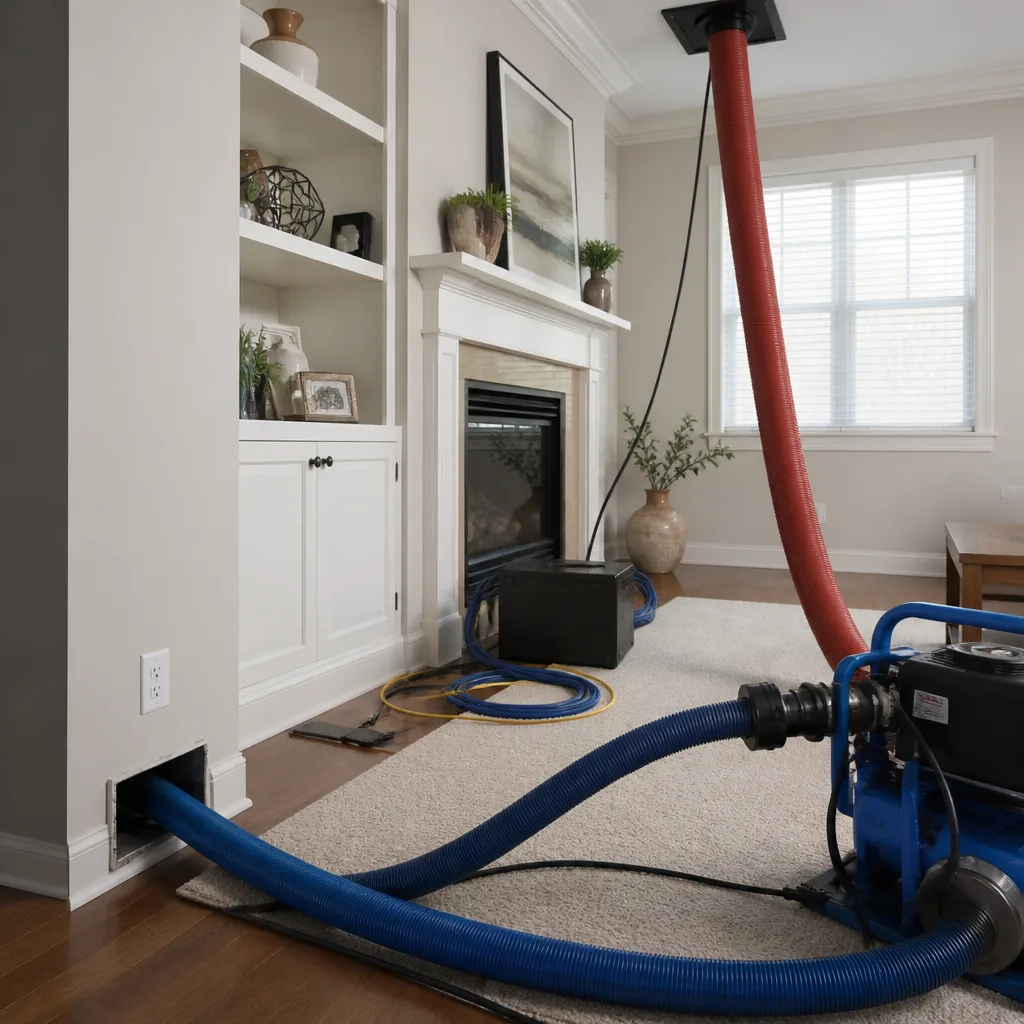 Whole-home duct cleaning
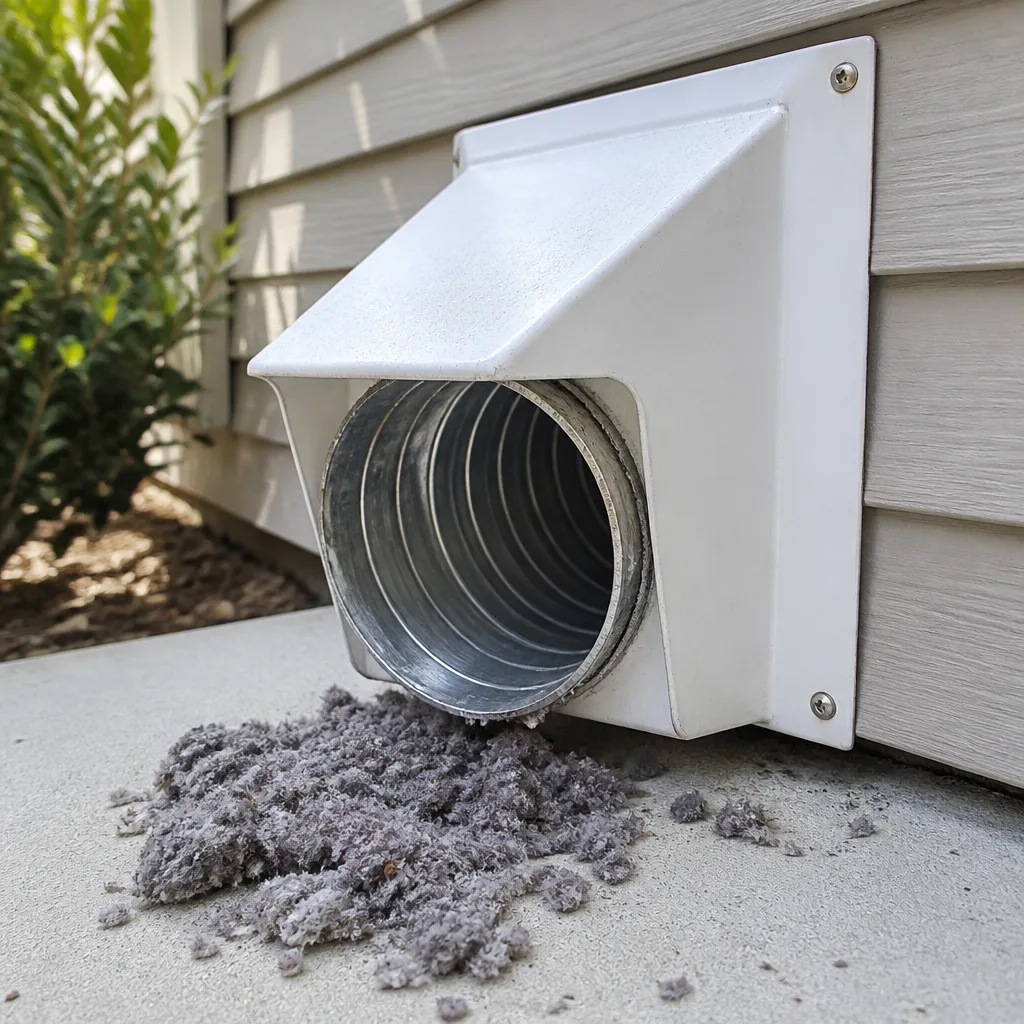 Dryer vent cleaning
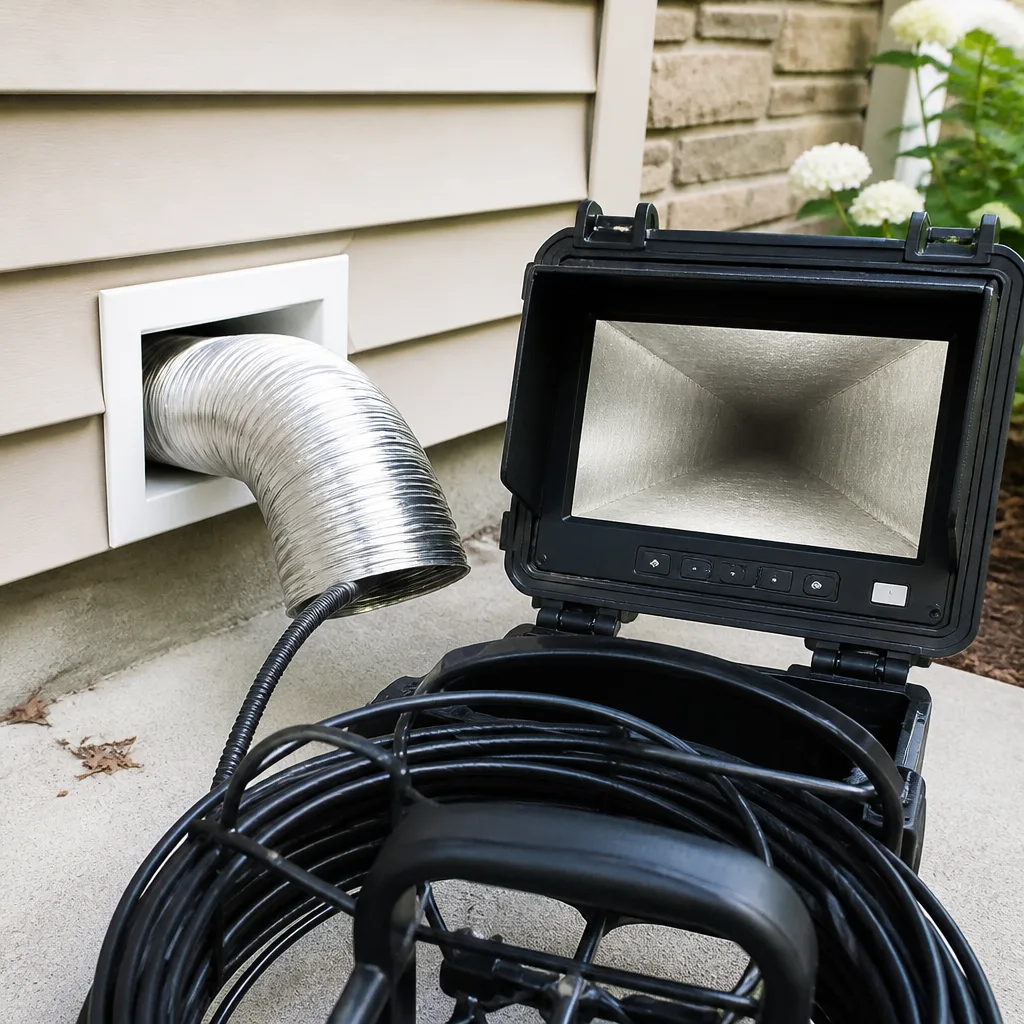 Camera inspection
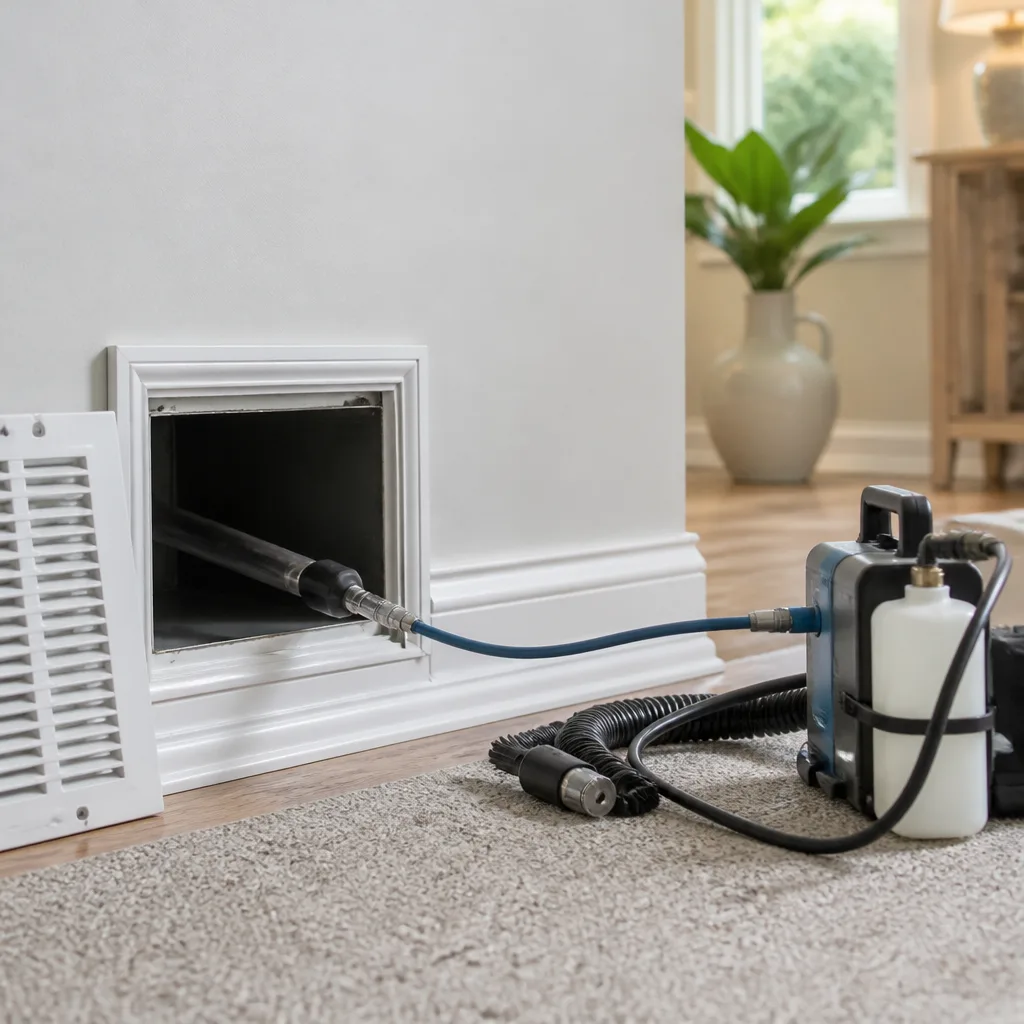 Sanitizing & deodorizing
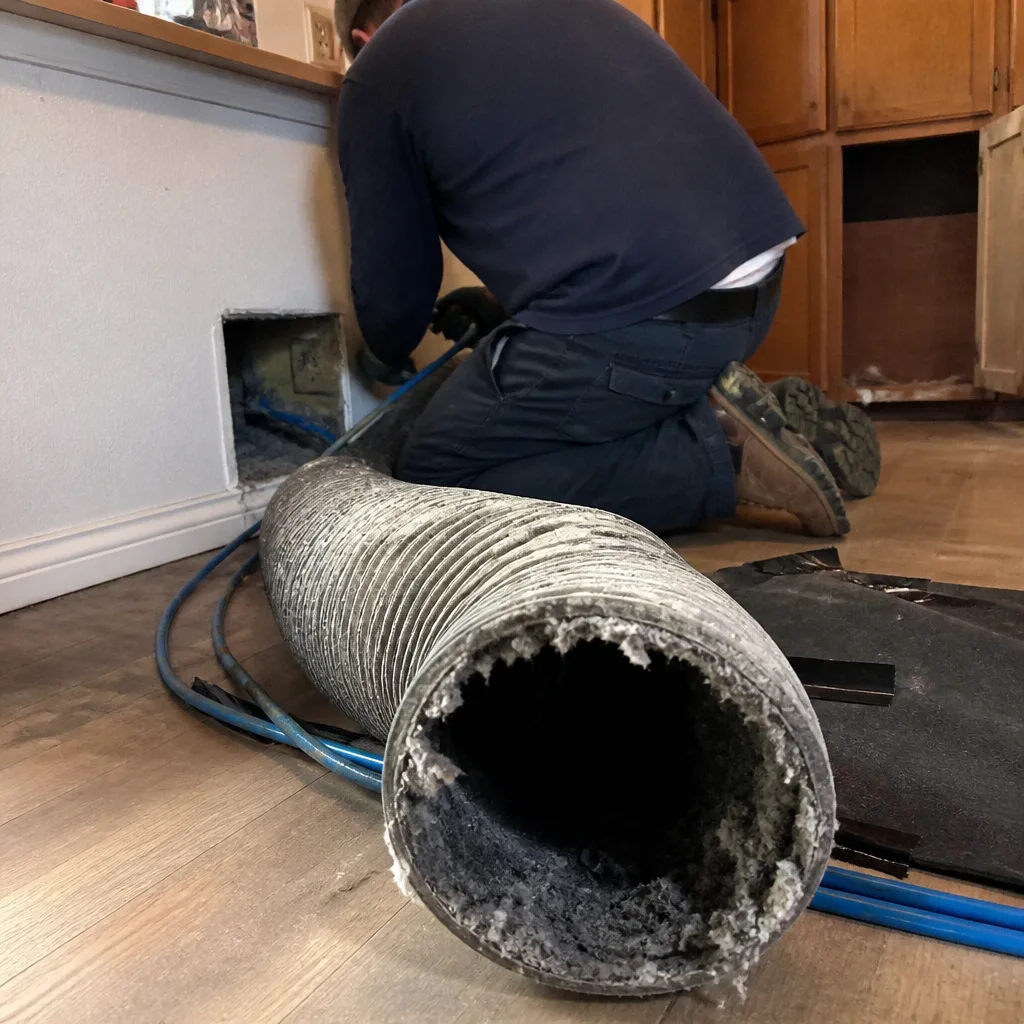
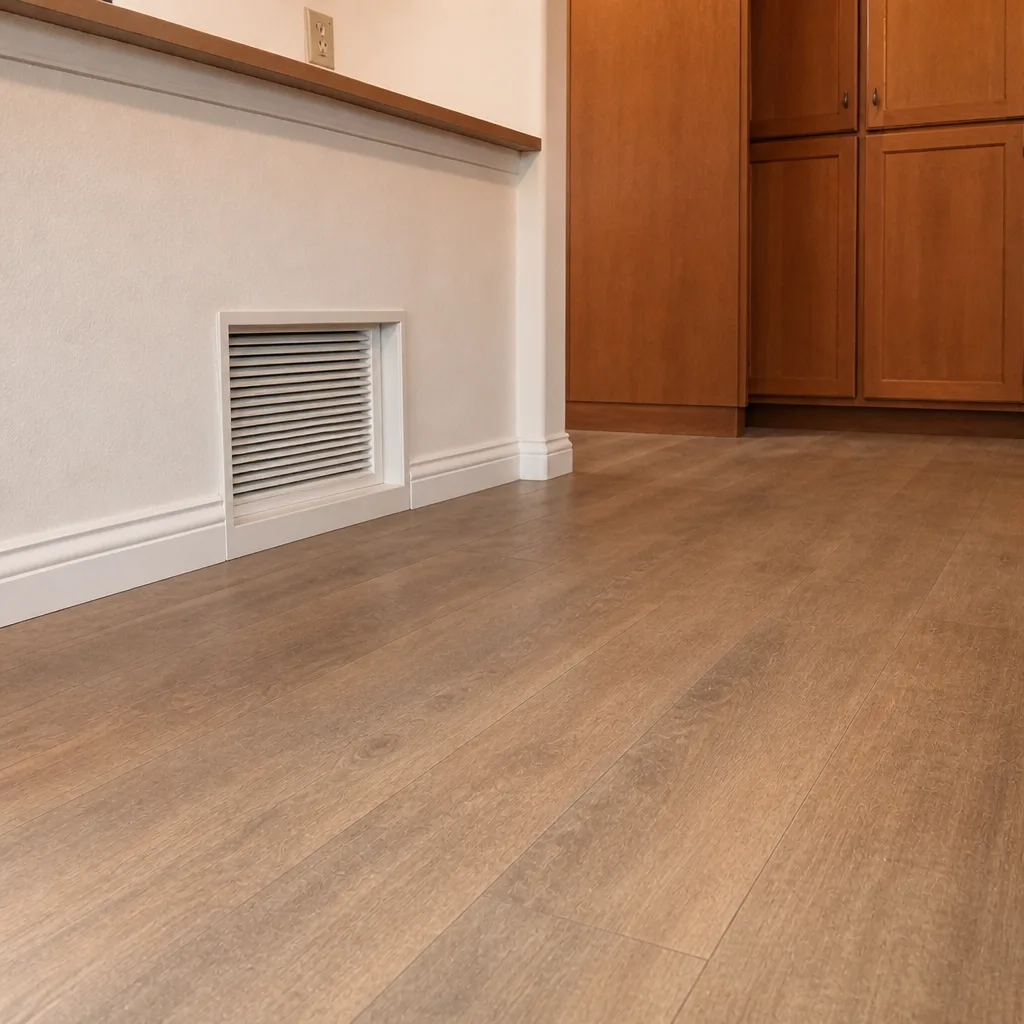
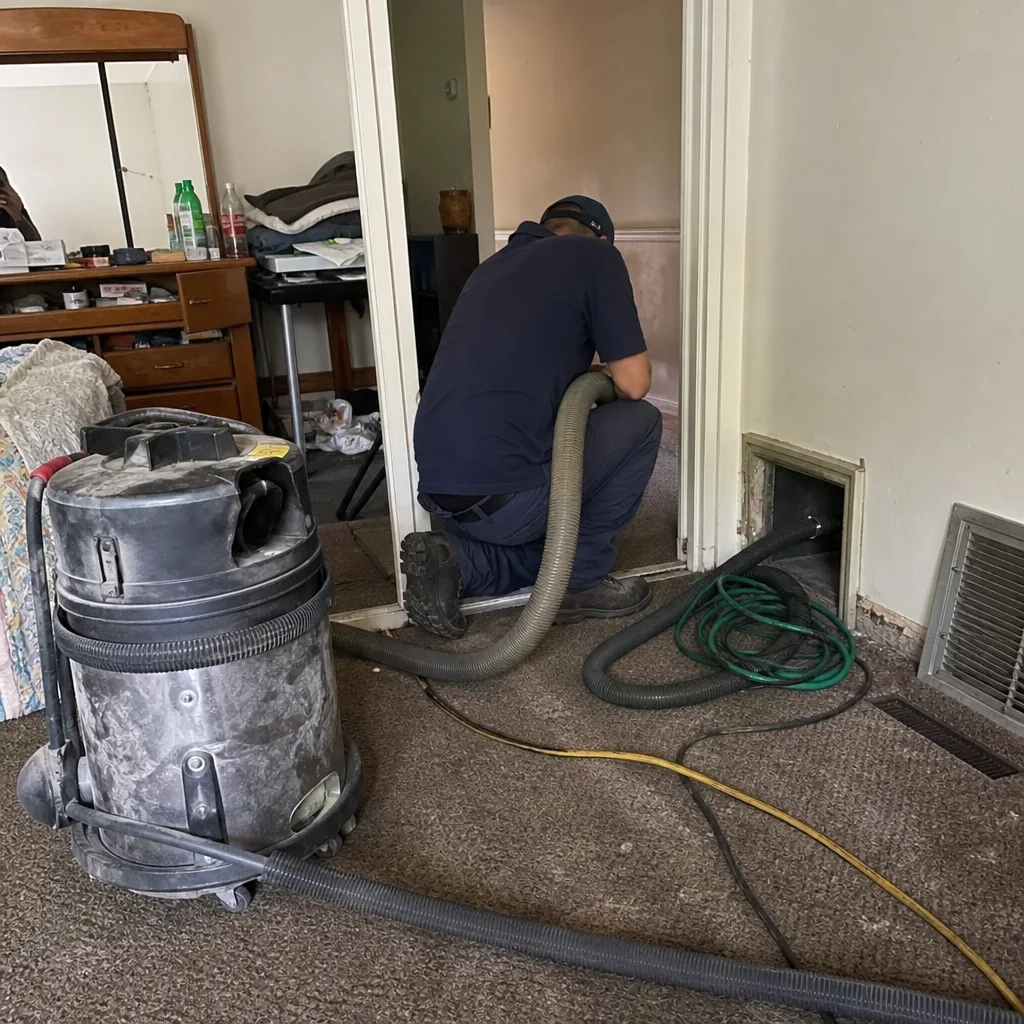
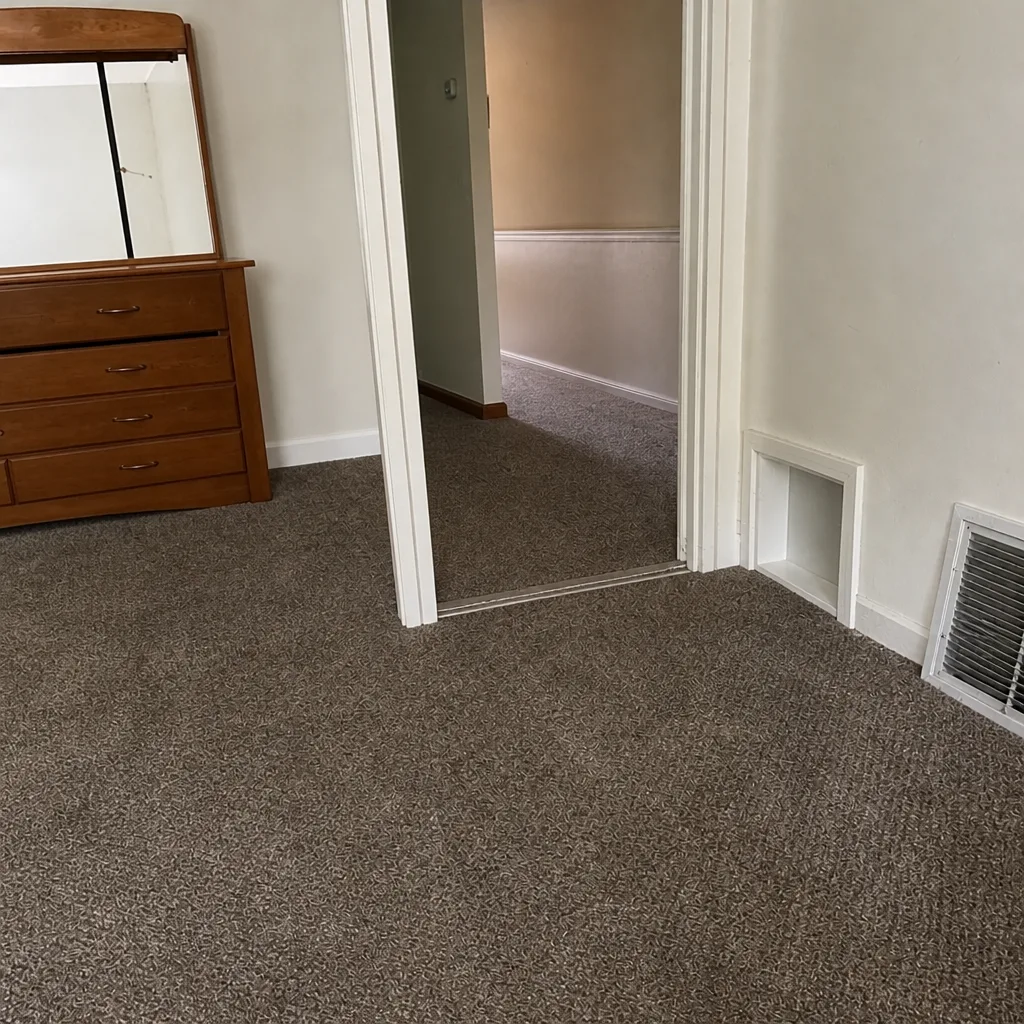
Whole-system duct and dryer vent check with before-and-after photos - you see exactly what came out of your vents
That "$99 whole-house special" is a bait ad - the real number appears once they are in your hallway, or the "clean" is a shop-vac at the register. We photograph the inside of your ducts before and after instead.
Air Duct Cleaning Cost Breakdown: The San Leandro Homeowner’s Reference for 2026
Most San Leandro homeowners don’t get burned by duct cleaning because they picked a bad company. They get burned because they compared two quotes that were never for the same job. A $299 whole-house quote and a $900 quote can both be fair prices for different scopes of work. The problem is that nobody explains what’s actually being priced, so the cheaper number wins on fear of being ripped off, not on merit. This guide breaks down exactly how duct cleaning is priced in San Leandro, what drives the number up or down, and how to get quotes you can actually compare line by line.
Quick Answer
Air duct cleaning in San Leandro typically runs between $350 and $750 for a whole-house system in 2026, with larger homes or systems requiring repair work reaching $900 or more. The spread exists because contractors use three different pricing models: per-vent, flat-rate, and hourly. The only way to compare quotes fairly is to force both contractors to price the same scope using the same variables, which this guide explains step by step.
Styles & brands we work with
- Whole-home duct cleaning
- Dryer vent cleaning
- Camera inspection
- Sanitizing & deodorizing
Table of Contents
- The Three Pricing Models and What They Incentivize
- What Legitimately Drives Cost in San Leandro Homes
- Add-On Costs: What’s Worth It and What’s Padding
- How to Get a Comparable Quote: The Five Variables
- What the Cheapest 10% of Quotes Signal
- Why Equipment Changes the Price and the Outcome
- When Duct Repair Gets Bundled Into Cleaning
- How the San Leandro Housing Stock Affects Pricing
The Three Pricing Models and What They Incentivize
Every duct cleaning quote you get in San Leandro falls into one of three pricing structures. Each one tells you something about how the contractor approaches the work, and each one creates different incentives. Understanding the mechanics is the difference between paying for thoroughness and paying for speed.
Per-Vent Pricing
Per-vent pricing quotes a fixed dollar amount for each supply and return register in your home. A company might charge $25 to $45 per vent, and your total depends on how many vents your system has. A typical San Leandro home has 10 to 14 vents, putting the cleaning portion between $250 and $630.
The incentive problem is structural. When a contractor is paid per vent, they make more money by moving faster. The faster they move through each vent, the more vents they can clean per hour, and the higher their effective hourly rate climbs. That doesn’t mean every per-vent contractor rushes. It means the pricing model rewards rushing, and you’re relying on the contractor’s character to override their financial incentive. We don’t find that acceptable, which is why we don’t price by the vent.
Flat-Rate Pricing
Flat-rate pricing quotes one number for the entire system, regardless of how many vents you have. The price is based on a pre-job assessment of your home’s size, duct configuration, accessibility, and contamination level. The advantage is clarity: you know the total before we start, and there’s no incentive to rush because the price doesn’t change whether the job takes two hours or four.
The weakness is in scoping. A flat-rate quote is only as honest as the assessment behind it. A contractor who gives a flat rate without asking how many returns you have, what kind of ducts you have, or whether you have accessible crawlspace or attic runs is guessing. A flat-rate quote grounded in real questions about your specific system is the most reliable pricing model a homeowner can get in San Leandro.
Hourly Pricing
Hourly pricing bills for time on the job at a rate that typically lands between $100 and $175 per hour for a two-person crew. This model aligns contractor time with actual complexity: a tangled 1950s duct system with tight access takes longer and costs more, while a straightforward 1990s system costs less.
The risk is that hourly pricing punishes you for a contractor’s inefficiency. A slow crew on an hourly rate costs you more for the same result. When we work hourly, it’s for complex jobs where the scope genuinely can’t be known until we open the system up. For most San Leandro homes, a properly scoped flat rate serves the homeowner better.
Here’s the thing most guides won’t tell you: the pricing model matters less than whether the contractor can explain their model in plain English and stand behind it. A contractor who gets defensive when you ask how they price is telling you something. We’d rather explain our pricing than hide behind it.
What Legitimately Drives Cost in San Leandro Homes
San Leandro’s housing stock spans from 1940s bungalows near the BART line to 1980s and 1990s construction in the hills. That age range means duct systems vary enormously, and the variation shows up in price. Here’s what actually moves the number up or down.
Duct Type and Material
Rigid sheet metal ducts, common in older San Leandro homes, clean differently than flexible insulated ducts, which dominate newer construction and retrofits. Flex ducts require softer brush pressure to avoid tearing the inner liner, which means more time per linear foot. Older metal ducts often have accumulated 30 to 50 years of fine particulate that requires multiple passes. The material itself doesn’t change the price dramatically, but the time required to clean it properly does.
Linear Footage and System Layout
Your duct system has more linear feet than you think. A 1,500-square-foot San Leandro rancher might have 80 to 120 linear feet of ductwork. A 2,800-square-foot two-story home might have 200 linear feet or more, plus a second trunk line and multiple branch runs. Longer systems take more time, require more brush passes, and produce more debris for the vacuum to capture. Any quote that doesn’t account for linear footage isn’t a real quote.
Access Constraints
San Leandro’s older homes often hide ducts in places that fight back. Crawlspaces with 18 inches of clearance. Attics with blown-in insulation covering the duct runs. Return chases behind finished walls. Every access point that requires a technician to contort, move insulation, or work from a ladder adds time and physical effort. A system that’s fully accessible from a standing-height basement would clean faster, but basements aren’t common in San Leandro’s housing stock. Most access work here happens in crawlspaces and attics.
Contamination Level
Homes that have had pets for years, or never had ducts cleaned, or recently went through a renovation accumulate what we politely call a heavy layer. Construction dust, especially drywall dust and sawdust, bonds to duct walls and doesn’t just vacuum out. Heavy contamination means more aggressive brush types, more passes, and sometimes air-scrubbing equipment running during the job. A lightly dusty system might clean in an hour. A heavily contaminated system might take three. That’s a legitimate cost difference, not an upsell.
Whether Repair Work Is Bundled
This gets its own section because it’s the single biggest legitimate cost driver in San Leandro duct work. Homes from the 1940s and 1950s rarely have pristine duct runs after seven or eight decades. Disconnected joints, crushed sections, failed tape, and poorly sealed boots are common. If a cleaning quote includes fixing those, it will be higher than a cleaning-only quote from a competitor. The question is whether the competitor even looked for the damage. We’ll cover this below.
Add-On Costs: What’s Worth It and What’s Padding
Every duct cleaning company has a list of extras. Some are legitimate and address real problems. Some are padding designed to inflate the invoice after you’ve already said yes to the base price. Here’s how to tell them apart in San Leandro.
Sanitizing Treatments
After cleaning, some contractors offer a sanitizing fog applied to the interior of the ducts. Prices run $150 to $350. The legitimate version targets microbial growth and is worth considering if your system has visible mold or if someone in the home has respiratory sensitivities. The padded version applies a generic deodorizer that smells nice for a week and does nothing after that. Ask what product they’re using and what it’s EPA-registered to do. If they can’t answer, it’s padding.
Coil Cleaning
Your evaporator coil sits above the furnace and collects dust the same way your ducts do. Cleaning it improves airflow and system efficiency. Expect $100 to $250 for coil cleaning, and it’s generally worth doing at the same time as ducts because a clean coil pushing air through clean ducts is the whole point. A contractor who aggressively pushes coil cleaning on a two-year-old system is upselling. A contractor who recommends it on a 15-year-old system that’s never had it done is doing their job.
Dryer Vent Cleaning
Dryer vent cleaning is not an upsell. It’s a fire-safety measure that the NFPA recognizes as a leading prevention strategy for dryer fires. Clogged dryer vents cause thousands of house fires annually in the US, and the fix is inexpensive compared to the risk. Expect $100 to $200 as an add-on when bundled with air duct cleaning. If your dryer takes more than one cycle to dry a load, or the vent flap outside doesn’t open when the dryer runs, you already need this.
Mold Remediation
Mold remediation is not an add-on. It’s a separate service with a different scope, different equipment, and different expectations. If mold is confirmed in your duct system, expect remediation costs to run significantly higher than cleaning alone, often $1,000 or more depending on extent. Legitimate contractors will recommend testing before remediation, not sell remediation as a scare tactic at the end of a cleaning visit. If someone offers “mold treatment” as a $99 add-on, decline it and get a proper assessment.
How to Get a Comparable Quote: The Five Variables
Two San Leandro duct cleaning quotes won’t be comparable unless both contractors priced the same scope. Here’s the specification you need to give both companies so their numbers actually mean something against each other.
- Number of supply and return vents. Count them yourself before calling. Every vent, including returns. If one contractor asks and the other doesn’t, that’s already a signal.
- Linear feet of ductwork or a system size estimate. You won’t know this exactly, but you can describe your home’s square footage, number of levels, and whether ducts run through a crawlspace, attic, or both. A contractor who wants this information is building a real quote.
- Duct material. If you know whether your ducts are rigid metal or flexible insulated, say so. If you don’t, a good contractor will look during the estimate. The material affects method and time.
- Access points. Describe where the furnace is, whether there’s a crawlspace hatch, and whether the attic has standing room or is a belly-crawl. These details change labor time significantly.
- Scope of repair work. If you suspect damaged or disconnected ducts, or if the system is original to a 1950s home, say that explicitly. Ask each contractor whether their quote includes inspection for damage and what happens to the price if they find it.
Once both contractors have priced to the same five variables, the comparison becomes meaningful. If one quote is still 50% lower, ask the question in the next section.
What the Cheapest 10% of Quotes Signal
San Leandro homeowners see a range of duct cleaning prices. The cheapest 10% of quotes, usually $199 to $299 for a whole house, should trigger specific questions. Here’s what’s usually behind a number that low.
Equipment quality. A contractor running a shop vacuum with a brush attachment can clean a vent opening in two minutes per register. They are not cleaning the duct system. They’re cleaning what you can see. The dust and debris in the trunk line and branch runs stays exactly where it was. Professional-grade equipment, like the Rotobrush rotary brush systems and Nikro HEPA-vacuum rigs we run, costs tens of thousands of dollars. That equipment investment shows up in the price, and it’s the difference between cleaning the first two feet of duct and cleaning the whole system.
Time on the job. A thorough whole-house cleaning takes two to four hours with a two-person crew. At $299, simple math means the contractor can’t spend more than an hour on site and stay in business. That hour is enough to hit the visible vent openings and nothing else. Ask the cheap contractor how long the job will take. If the answer is under two hours for a whole system, you have your answer.
What’s not included. The cheap quote often doesn’t include linear footage inspection, doesn’t include access work in crawlspaces, and doesn’t include anything found during the job. The price can climb once the crew is on site and “discovers” that the system is more contaminated than expected. The cheap quote is a foot in the door, not a binding price.
The right questions to reveal whether a low bid is competitive or predatory:
- “What equipment are you bringing, and what does it actually do?”
- “How long will the job take for my specific system?”
- “Does your price include access work in the crawlspace and attic?”
- “What happens to the price if you find damage or heavy contamination?”
- “Are you pricing per vent, flat rate, or hourly, and why?”
A competitive contractor answers all five without hesitation. A predatory one gets vague or defensive. That’s the test.
Why Equipment Changes the Price and the Outcome
The biggest invisible variable in San Leandro duct cleaning pricing is the equipment on the truck. You’re not just paying for labor. You’re paying for the capital investment that makes the labor effective. Here’s the practical difference.
A consumer-grade shop vacuum generates enough suction to pull loose dust from the first few inches of a vent opening. It cannot overcome the static pressure of a 30-foot duct run, and it cannot agitate the dust that’s adhered to the duct walls over years of operation. The result is a job that looks done and isn’t.
Professional rotary brush systems, like the Rotobrush equipment we run, feed a rotating brush down the duct while a high-powered vacuum pulls the dislodged debris out simultaneously. This combination of mechanical agitation and negative air pressure is what actually removes years of accumulated particulate. The same applies to Nikro HEPA-vacuum rigs, which trap the fine dust that would otherwise blow back into your living space during cleaning. These are the same systems used on commercial duct cleaning contracts, and they’re what separates a real cleaning from a visual touch-up.
We also run Abatement Technologies air-scrubbing units on jobs where contamination is heavy or where mold-adjacent concerns exist. These units filter the air in your home while we work, so we’re not just moving dust around. That capability matters in older San Leandro homes where decades of accumulated particulate can become airborne the moment we start agitating the system. A contractor without this equipment has to either work slower, which costs you more hourly, or accept that some dust gets released into the air, which costs you in air quality.
The equipment question is worth asking directly: “What are you actually using on my ducts?” A contractor who names the brand and explains what it does is selling you a real service. A contractor who says “professional equipment” without specifics is selling a story. Commercial-grade equipment at residential pricing is the whole point of Duct Cleaning San Leandro, and we’re happy to tell you exactly what’s going to be on the truck before you commit.
When Duct Repair Gets Bundled Into Cleaning
Here’s the scenario we see often in San Leandro: a homeowner schedules duct cleaning, we open the system up, and find a disconnected return pulling air from the crawlspace. Or a crushed branch run choking airflow to a back bedroom. Or failed duct tape at the plenum connection bleeding conditioned air into the attic.
This is where the pricing model collision happens. A cleaning-only contractor sees the damage and faces a choice: report it and potentially lose the job to a contractor who can fix it, or ignore it and finish the cleaning. We leave you to guess which happens more often in a pricing model that rewards speed.
We do dryer vent cleaning and air duct repair on the same visit. When we find damage during a cleaning, we fix it. The price goes up from the cleaning-only quote, but the increase isn’t an upsell. It’s the difference between a job that’s done and a job that’s half done. A clean duct that’s disconnected from the register isn’t doing your home any good. A clean duct that’s dumping 15% of your conditioned air into the crawlspace is still wasting money every month.
The practical takeaway for San Leandro homeowners: if your system is original to a home built before 1980, budget for the possibility of repair work. The cleaning itself might be $450. The cleaning plus repair of two disconnected joints and a crushed flex run might be $700. The second number is higher, but it’s the only one that actually solves your problem.
How the San Leandro Housing Stock Affects Pricing
San Leandro’s housing stock has more in common with Oakland’s older neighborhoods than with the newer tracts of the Tri-Valley. The median home in San Leandro was built decades ago, and many of those homes have never had their ducts cleaned at all. That’s not a criticism of homeowners. It’s just the reality of how long a hidden system can go unnoticed.
Older construction here comes with specific duct challenges. Crawlspace access through small hatches. Attic runs under thick insulation. Return paths that were adequate for 1950s heating loads but undersized for modern expectations. All of this means labor takes longer than it would in a tract home with a clean, accessible mechanical room.
Newer homes in San Leandro, particularly the hill developments from the 1980s onward, have their own issues. Flex duct was cheaper and faster to install, and much of it has been in place for 30 to 40 years now. Flex liner degrades, connections slip, and the ridged interior catches dust differently than smooth metal. Cleaning it properly requires a lighter touch, which takes more time, which shows up in the price.
The San Leandro market doesn’t have a single “typical” duct cleaning price because it doesn’t have a single typical home. A 1940s bungalow near Estudillo Estates and a 1990s two-story near the hills are different jobs with different prices. The honest answer to “how much does duct cleaning cost in San Leandro” is “it depends on your system, and here’s exactly what it depends on.”
Common Mistakes to Avoid
- Comparing quotes without comparing scope. A $299 per-vent quote for 10 vents and a $600 flat-rate quote for the same system including crawlspace access are not for the same job. Force both contractors to price the five variables before comparing numbers.
- Assuming the cheapest quote is competitive. In duct cleaning, the cheapest quote is usually the cheapest because it strips out the equipment, time, and thoroughness that actually clean the system. Ask the five questions above before accepting any low number.
- Skipping the dryer vent because it’s not “part of the ducts.” Dryer vents are the single most concrete fire risk in the system, and cleaning them costs a fraction of what most homeowners spend on the rest of the job. Separate pricing doesn’t mean separate priority.
- Accepting a quote without an inspection. A legitimate flat-rate quote requires seeing the system or asking detailed questions about it. Anyone who quotes $350 sight unseen over the phone is either guessing or planning to change the price once they see the job.
- Deferring repair work discovered during cleaning. A disconnected duct doesn’t fix itself, and waiting six months means paying for the diagnosis all over again. Bundle the repair with the cleaning while the system is already open.
- Falling for sanitizing fog without asking what it is. A fog that smells nice for a week and does nothing for microbial growth is $200 of perfume. Ask what the product is and what it’s registered to do.
- Hiring based on price instead of method. The single most important question in San Leandro duct cleaning is not “how much” but “what equipment and what method.” A shop vac and a flashlight cost less for a reason.
See the difference
 Before
 After
 Before
 After
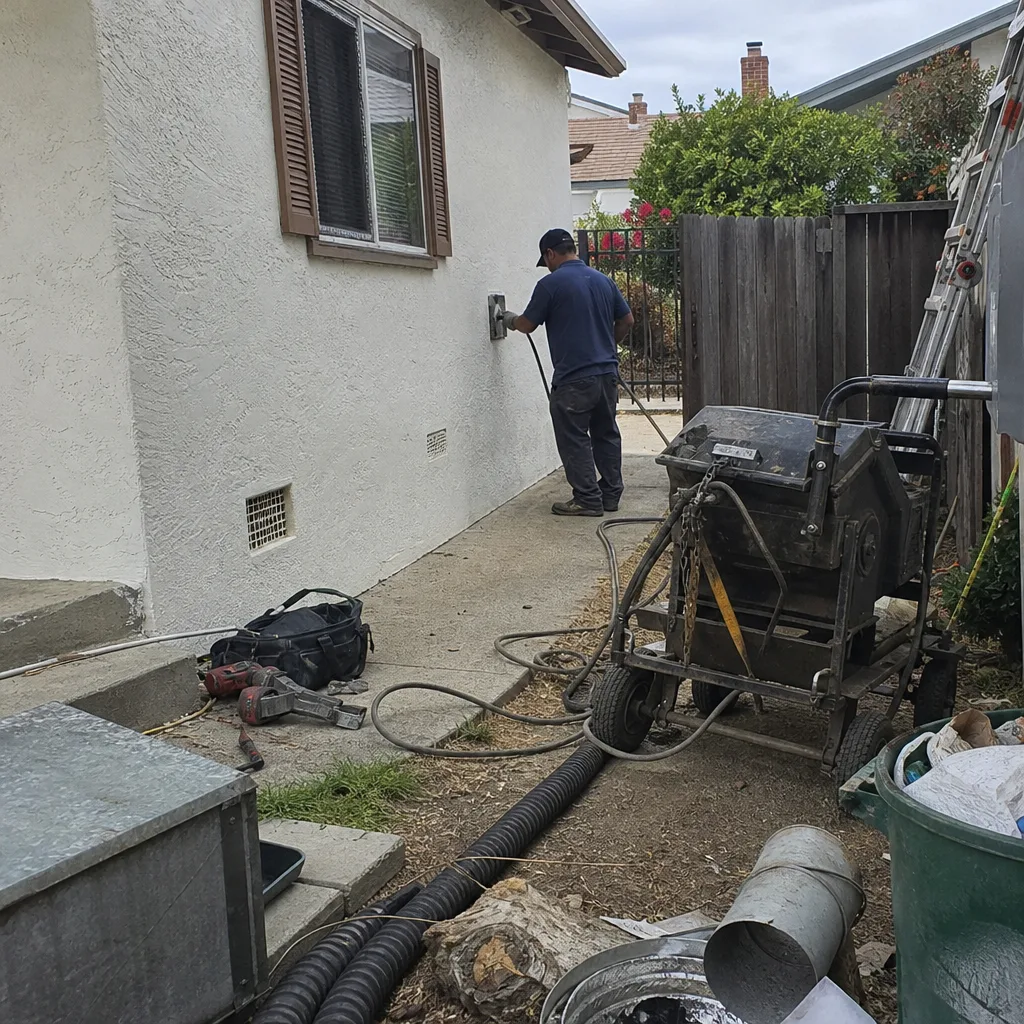 Before
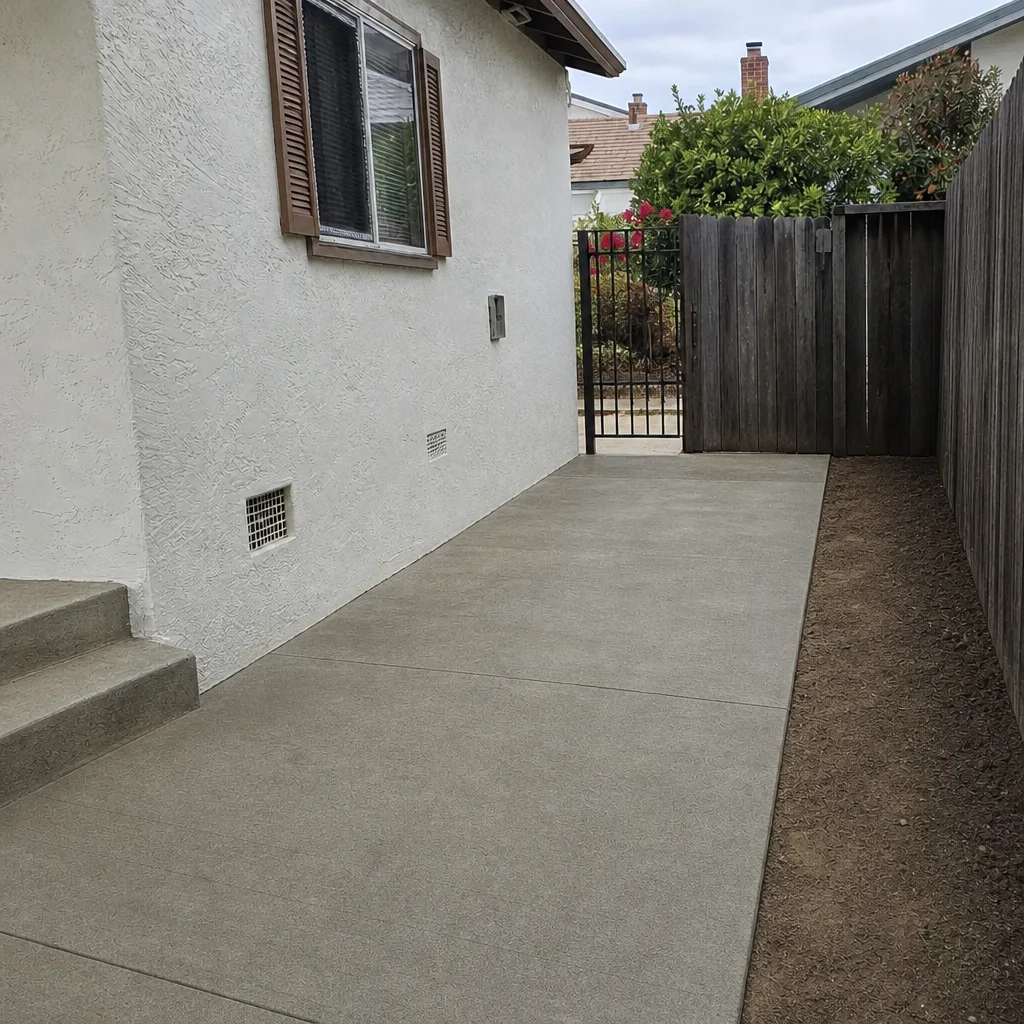 After
When to Call a Professional
Duct cleaning is not a DIY project, and anyone who tells you otherwise is selling you a false economy. The system is hidden behind walls, under insulation, and through crawlspaces. You can’t see where the dust is, you can’t reach where the disconnections are, and you can’t generate the negative air pressure required to pull debris out without a professional-grade vacuum rig. Signs it’s time include visible dust blowing from registers when the system starts, rooms that never seem to reach temperature, a dryer that takes multiple cycles, or anyone in the home with respiratory symptoms that worsen indoors. If you’ve never had the system cleaned and the home is older than 20 years, it’s time to have it looked at. Duct Cleaning San Leandro offers free estimates in San Leandro. Call (855) 356-5880 to schedule one. We answer 24/7. Fast dispatch from 7am to 7pm, Sunday through Friday.
Frequently Asked Questions
Whole-house air duct cleaning in San Leandro typically costs between $350 and $750 for a standard system, with larger homes and systems requiring repair work reaching $900 or more. The price depends on duct type, linear footage, access constraints, contamination level, and whether repair work is bundled. Call (855) 356-5880 for an exact quote after we see your system.
Cheaper quotes usually reflect lower-grade equipment (shop vacuums instead of professional rotary brush and HEPA systems), less time on the job, or pricing that excludes access work and repair. Per-vent pricing also incentivizes speed over thoroughness. The cheapest 10% of quotes in San Leandro are often for visual cleaning of the vent openings, not actual duct system cleaning.
Ask for before-and-after photos of the interior of your ducts, not just the vent covers. Professional contractors can run a camera or scope through the system to show you the duct walls before and after. If a contractor refuses or can’t provide this, that’s a signal. We document our work because we expect you to want proof.
Most San Leandro homes benefit from duct cleaning every 5 to 7 years, with more frequent intervals for homes with pets, smokers, recent renovations, or occupants with respiratory conditions. The real trigger is what’s in the system, not the calendar. If you can see dust blowing from registers or the system has never been cleaned, it’s time.
Yes. Dryer vents are a recognized fire hazard when clogged, and the NFPA identifies dryer vent cleaning as a leading prevention measure. The cost is modest compared to the risk, and it’s not a cosmetic service. If your dryer takes more than one cycle to dry a load, call (855) 356-5880 to have the vent checked.
Yes, if the contractor has repair capability. Most duct cleaners don’t do repair work, which means damaged ducts get either ignored or deferred to a second company. We clean and fix on the same visit, which is the whole point of bundling the service. One visit, clean ducts, sealed repairs, safer dryer vent.
The Bottom Line
Duct cleaning pricing in San Leandro stops being opaque once you understand what you’re actually comparing. The three pricing models each create their own incentives, and the cheapest quote is usually cheap because it strips out the equipment, time, and thoroughness that make the service real. Force every contractor to price the same scope: vents, footage, access, material, and repair. Ask what equipment they’re bringing and why it matters. Accept that a 1940s bungalow and a 1990s two-story are different jobs with different prices. The number that matters isn’t the lowest one. It’s the one that’s honest about what it includes.
Written by the team at Duct Cleaning San Leandro, serving San Leandro since 2018.
Call (855) 356-5880 for a free estimate. We answer 24/7. Fast dispatch from 7am to 7pm, Sunday through Friday.