
Last updated November 5, 2026
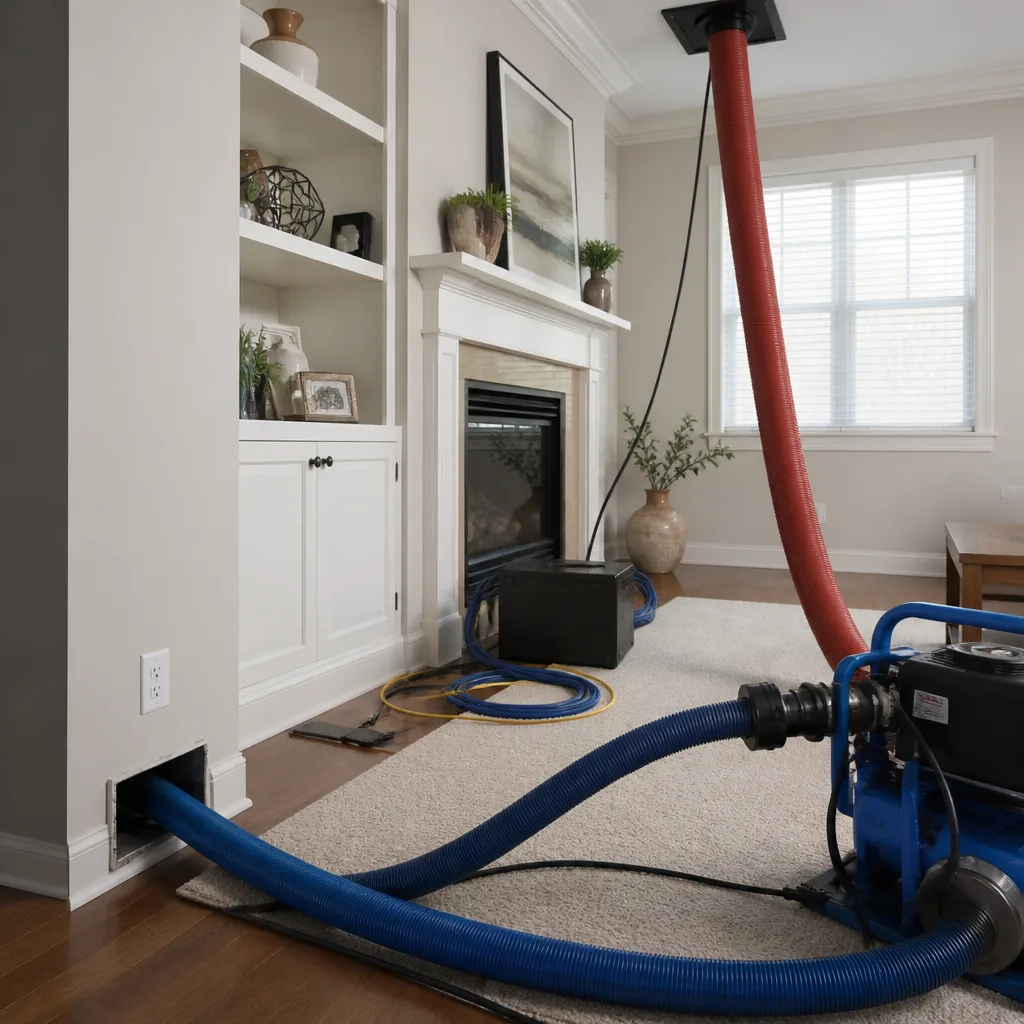 Whole-home duct cleaning
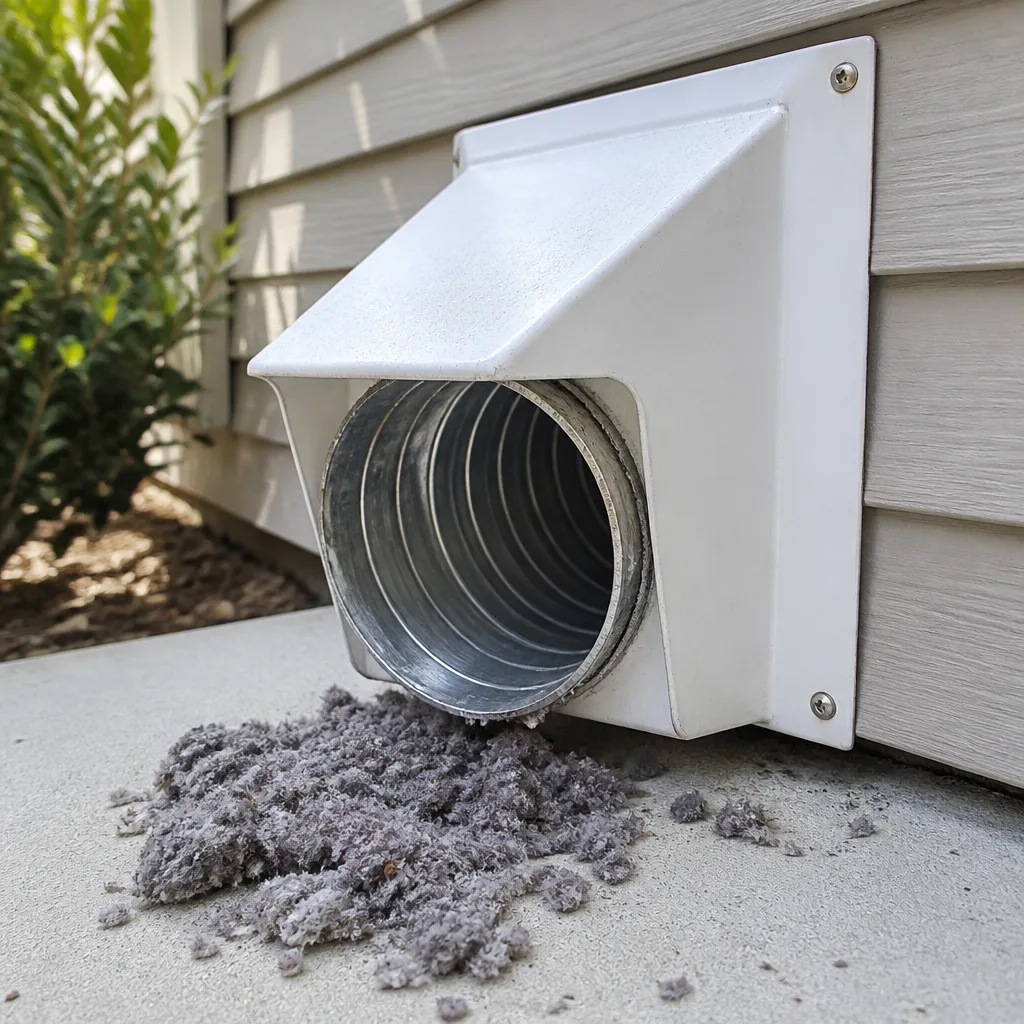 Dryer vent cleaning
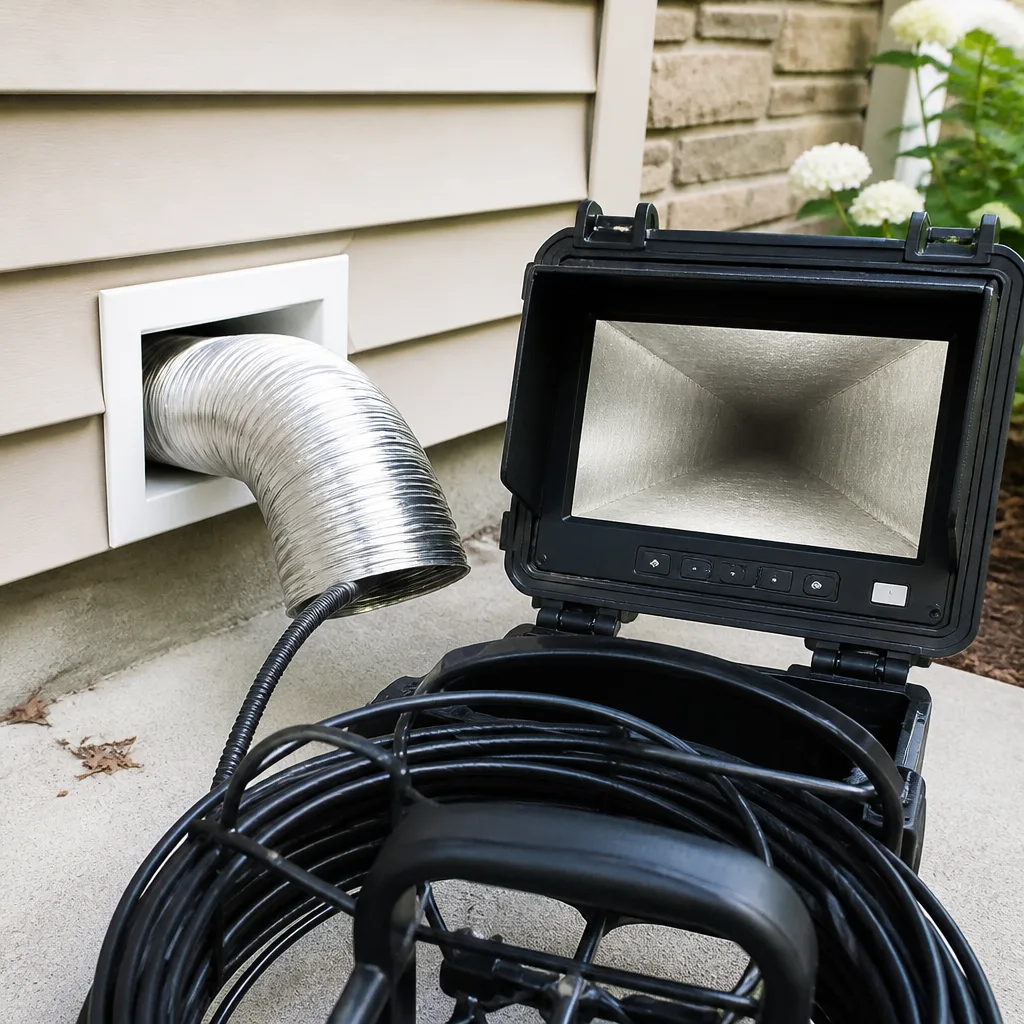 Camera inspection
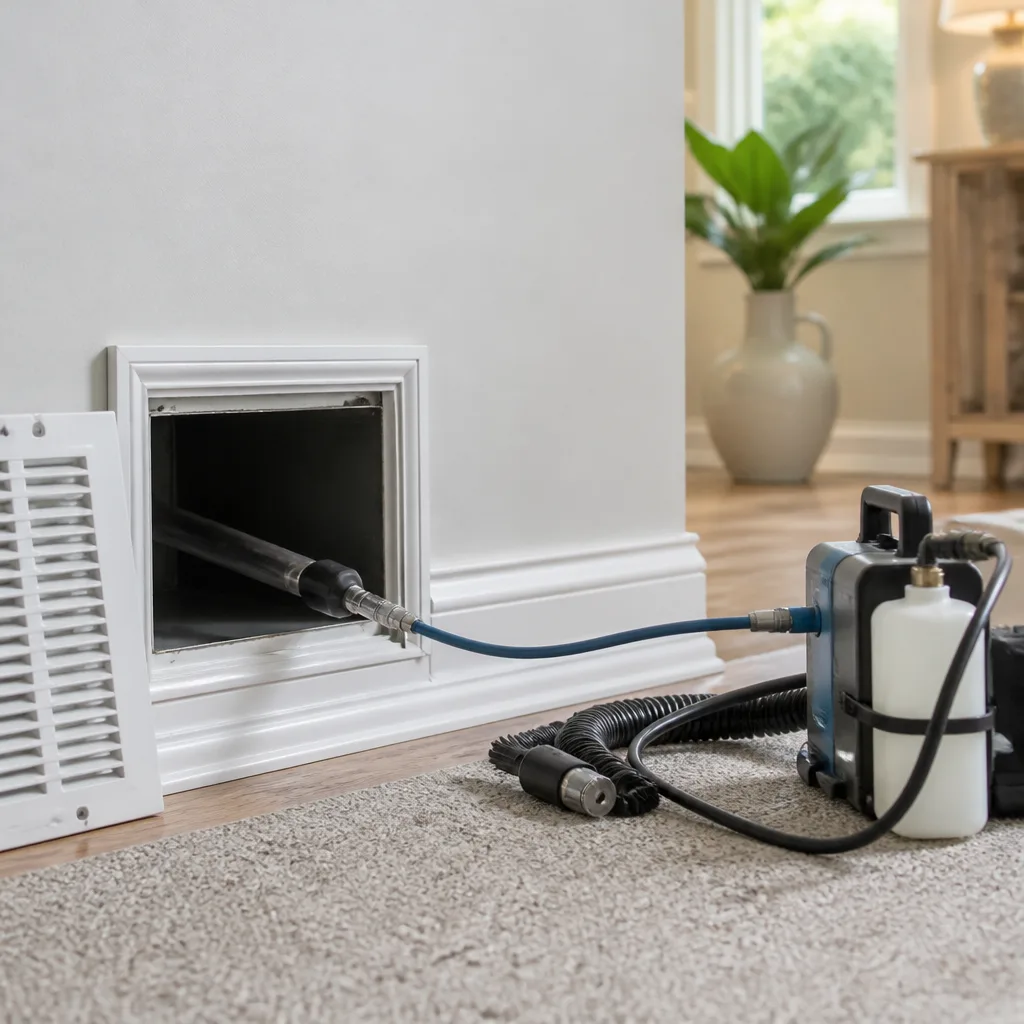 Sanitizing & deodorizing
Whole-system duct and dryer vent check with before-and-after photos - you see exactly what came out of your vents
That "$99 whole-house special" is a bait ad - the real number appears once they are in your hallway, or the "clean" is a shop-vac at the register. We photograph the inside of your ducts before and after instead.
Air Duct Cleaning Emergency Preparedness Guide for San Leandro Homes
Most San Leandro homeowners think of duct cleaning as scheduled maintenance, something you book every few years when the calendar says so. That framing misses the two emergencies this region actually faces: wildfire smoke that saturates a system in days, and seismic shifts that quietly disconnect ductwork behind walls. Neither announces itself at the register. Both leave a home running contaminated or compromised air for weeks before anyone notices. This guide covers what to do in the first 24 hours after an air quality or structural event, how to document conditions correctly for insurance, and when professional intervention is the only sensible move.
Quick Answer
If wildfire smoke, a moderate earthquake, flooding, or pest intrusion has compromised your duct system, shut the system down at the thermostat, switch the fan to OFF rather than ON or AUTO, document conditions with photos and measurements before any remediation work begins, and call a contractor equipped for high-contamination scenarios. For San Leandro specifically, wildfire smoke events like the 2018 Camp Fire created indoor particulate conditions that standard filtration cannot reverse. Professional assessment with commercial-grade equipment is the only way to verify whether a system needs cleaning, repair, or both.
Styles & brands we work with
- Whole-home duct cleaning
- Dryer vent cleaning
- Camera inspection
- Sanitizing & deodorizing
Table of Contents
- Wildfire Smoke and Your Duct System: The Real Risk Profile
- Seismic Risk and Duct Connections: What a Tremor Does That You Cannot See
- The 24-Hour Emergency Decision Tree After a Contamination Event
- How to Shutdown and Isolate Your Duct System During an Active Air Quality Event
- Documentation Protocol for Insurance Claims: What to Photograph, Measure, and Log
- Why Your Dryer Vent Is a Silent Emergency Waiting to Happen
- Why Equipment Matters in Emergency Duct Scenarios
- Common Mistakes to Avoid
Wildfire Smoke and Your Duct System: The Real Risk Profile
During the 2018 Camp Fire, air quality across the East Bay deteriorated to hazardous levels for over a week. San Leandro sat squarely in that plume. Most residents ran HVAC systems continuously, assuming filters would handle it. They did not. Residential filters, even the better pleated MERV varieties, are sized for routine household dust and the occasional seasonal pollen spike. They are not designed for sustained exposure to wildfire particulate at AQI levels exceeding 300. The result across the region was predictable: systems pulled outside air through return plenums, the filter media saturated early, and fine particulate bypassed filtration entirely. That particulate deposited throughout the ductwork, on blower assemblies, on coil surfaces, and throughout the distribution network.
What matters for emergency preparedness is understanding exposure duration as the key variable. A two-hour event at moderate AQI rarely justifies professional cleaning. Two weeks at unhealthy or hazardous AQI with the system running continuously is a different situation. The particulate is too fine to fall out of the air stream on its own. It adheres to duct surfaces, and once the outside air clears, your system keeps recirculating whatever remains. Homeowners who skip professional assessment after such events often report persistent odor for months. That odor is the documentation of what the system retained.
If you use a Honeywell or Aprilaire whole-home filtration system, you have an advantage during the event itself. These systems move more air through better media than a standard one-inch filter. But they do not eliminate the need to assess the ductwork afterward. The filter captures what reaches it. What bypasses the filter at return plenum leaks, or what settles in supply ducts during periods when the fan cycles off, still requires removal by professional equipment.
Seismic Risk and Duct Connections: What a Tremor Does That You Cannot See
San Leandro sits on the Hayward Fault, and residents understand earthquakes as a structural threat. Few connect seismic activity to ductwork integrity. A moderate tremor in the 4.0 to 5.5 range applies lateral forces throughout a home. Flex duct connections at air handlers and plenums are held with zip ties and mastic. They are compliant enough for routine vibration, but a sharp lateral shift can separate a connection, partially dislodge a joint, or tear flex duct away from a takeoff collar. None of this shows up at the register. Your supply register still blows air. What changes is where some of that air goes: into the wall cavity, the attic, or the crawl space, carrying conditioned air and whatever particulates live in those spaces back into the occupied zone through negative pressure.
The practical implication is straightforward. After any earthquake you felt strongly enough to check your home for damage, add one more check to the list. Walk the system. Listen at each register with the fan running. A disconnected or partially separated duct changes airflow patterns: some rooms feel weaker, some registers whistle, some rooms develop a subtle musty smell that was not there before. None of that means a connection absolutely failed. It does mean the system warrants professional inspection. Air duct cleaning companies that also handle repair can diagnose and correct these failures in one visit. Companies that only clean, without repair capability, find the failure, document it, and send you to a second contractor. That gap between finding and fixing is where San Leandro homeowners lose weeks.
The 24-Hour Emergency Decision Tree After a Contamination Event
Contamination events in San Leandro homes generally fall into four categories: wildfire smoke, water intrusion from plumbing failures or roof issues, pest intrusion, and post-construction debris. The first 24 hours determine whether the system needs cleaning, repair, or replacement. Here is the decision sequence.
- Stop running the system. Switch the thermostat to OFF. Do not use FAN ON mode. Every cycle redistributes whatever the event introduced.
- Identify the contamination type. Wildfire smoke deposits fine particulate. Water introduces a biological risk that grows as the system stays wet. Pests introduce dander, droppings, and nesting material. Renovation work introduces silica and gypsum dust that is heavier and more abrasive than household dust.
- Contain the affected area. If water entered through specific registers or one section of ductwork, close the supply registers and block the returns in that zone until assessment is complete.
- Assess what you can see. Remove the filter. If the filter is saturated with smoke particulate, water-stained, or coated with construction dust, the system downstream has been exposed. If the filter looks clean but registers show dust streaking, that suggests return-side leakage bypassing the filter.
- Document before cleaning. Photograph every register, the filter, visible duct runs, and any water staining. Measure and log the AQI duration (for smoke events), the moisture location and approximate area (for water events), or the renovation scope (for construction dust).
- Decide on professional intervention. If exposure was limited and the system remains dry, running new filters and monitoring may suffice. If contamination reached duct surfaces, professional equipment is the only method that removes it completely.
We have seen San Leandro homes where a single supply duct saturated with water caused musty odor for six months, because the homeowner ran the fan to dry things out and instead distributed moisture throughout the entire distribution network. Fans dry surfaces, but they also spread whatever the water activated. Shutdown first. Assessment second.
How to Shut Down and Isolate Your Duct System During an Active Air Quality Event
During an active wildfire smoke event, the instinct to keep running the HVAC system to filter the air is well-intentioned and frequently counterproductive. The correct procedure depends on the system type and the outdoor AQI at any given hour.
For standard split systems with a one-inch filter slot, the best setting during hazardous outdoor air quality is fan OFF, with the system completely shut down. The filter is undersized for wildfire particulate. Running the fan pulls outdoor smoke through the return plenum, saturates the filter, and deposits the remainder throughout the ducts. The home’s existing indoor air quality deteriorates more slowly with the system off than with the system actively ingesting smoke.
For homes equipped with dedicated whole-home filtration such as a Honeywell or Aprilaire media cabinet, the calculus shifts. These systems hold four to five-inch media with more surface area and better efficiency. They can run during moderate smoke events and meaningfully improve indoor air. But even these have limits. At AQI levels exceeding 200 for sustained periods, filter loading accelerates, and the system begins bypassing. Monitor the filter daily during such events. Replace it when visibly loaded, even if the manufacturer’s change interval has not arrived.
The isolation procedure:
- Set the thermostat to OFF, not AUTO. This prevents the system from cycling based on temperature.
- Close all supply registers in rooms that can be sealed off. This slows pressure-driven air movement through the system.
- Block return grilles in unused rooms using magnetic covers or heavy cardboard sealed at the edges. This reduces the total volume of indoor air the system can pull through the ducts.
- If you have a dedicated ventilation system such as an HRV or ERV, switch it to OFF or recirculation mode if available. These systems intentionally introduce outside air, which is precisely what you do not want during a smoke event.
- Use portable HEPA air purifiers in occupied rooms rather than the central system. They filter the room air without pulling new particulate from outside.
When the outdoor AQI returns to acceptable levels, wait at least 24 hours before running the HVAC system normally. Then assess the filter. If it shows heavy soiling from the event, professional evaluation of the ductwork is warranted before normal use resumes.
Documentation Protocol for Insurance Claims: What to Photograph, Measure, and Log
Insurance claims for duct contamination fail more often for lack of documentation than for lack of damage. Adjusters have a specific standard: they need to see that the condition existed, that it was caused by a covered event, and that professional remediation was necessary. Unsupported claims get denied or underpaid. The documentation protocol is simple and should be completed before any cleaning or repair work begins.
Photograph the following:
- Every supply register and return grille in the home, with the cover removed, showing the visible duct surface behind it
- The air filter, removed from the slot, shot against a clean white background with the date visible
- Any visible duct runs in attics, crawl spaces, or utility closets showing dust accumulation or moisture staining
- Any water staining around registers, ceiling penetrations, or the air handler cabinet
- The air handler itself, including the blower compartment if accessible, before cleaning
- Any disconnected or sagging flex duct sections, shot wide enough to show position and connection points
Measure and log:
- The outdoor AQI values and duration of exposure for smoke events. Historical AQI data is available through public sources and provides an objective record of what the system ingested.
- The location and approximate area of any water intrusion, including the date the leak was discovered and the date it was repaired.
- The scope of any renovation work: room affected, approximate square footage, materials disturbed, and the duct system’s relationship to the work area.
- The thermostat settings used during the event, if relevant. A system run continuously on FAN ON during a smoke event documents a very different exposure than a system that was off.
File the photographs with your claim. Write the log as a dated narrative (an email to yourself works; an email to an adjuster works better). The combination gives the adjuster what they need to approve remediation instead of denying it.
Why Your Dryer Vent Is a Silent Emergency Waiting to Happen
Dryer vent cleaning is often treated as an add-on to duct cleaning. That framing misreads the risk. The NFPA identifies dryer vent fires as a leading cause of home fires involving mechanical systems, and the cause is nearly always the same: accumulated lint in the vent run reaches critical mass, the airflow drops, and the dryer’s heating element ignites the buildup. In San Leandro homes with long vent runs, multiple elbows, or vents terminating on a roof, the risk is elevated simply because there is more surface area for lint to accumulate before it exits.
The emergency connection is the same as with HVAC ductwork: a system that has never been cleaned does not warn you clearly before it fails. The warning signs are subtle: clothes take longer to dry, the dryer exterior feels hotter than usual, the lint screen fills faster, or the outdoor vent flap stops opening fully during cycles. Any of these means the vent is partially obstructed. A partially obstructed vent is not a laundry inconvenience. It is a fire hazard.
Dryer vent cleaning is standard in our service scope precisely because we treat it as a safety procedure, not a revenue add-on. If you have not had your vent cleaned within the past two years, or if you have noticed any of the warning signs above, schedule it now. If you have never had the vent cleaned and your home is more than a decade old, assume it needs it and book the service before running another load.
Why Equipment Matters in Emergency Duct Scenarios
There is a meaningful difference between what a residential duct cleaning company removes with a portable vacuum and what commercial-grade equipment removes in high-contamination situations. That difference matters most in the emergency scenarios this guide covers, where the contamination is heavy, fine, or biologically active. Standard consumer-level equipment is simply not designed to pull wildfire particulate from a 40-foot duct run or to remove moisture-compromised material from a plenum.
We run Rotobrush rotary brush systems and Nikro HEPA-vacuum rigs, which is the same class of equipment used in commercial duct cleaning contracts. The rotary brush agitates the duct wall mechanically, dislodging what has adhered there. The HEPA vacuum creates negative pressure strong enough to pull that material out of the duct rather than pushing it into the living space, which is what happens when someone hooks a shop vac to a register and hopes for the best. For higher-contamination scenarios such as post-remediation microbial work, we use Abatement Technologies air-scrubbing units to process the air in the space while the ducts are being addressed. This is the equipment that matters when the job is not routine maintenance but genuine contamination removal.
We also carry Duct Cleaning San Leandro‘s repair capability, which means we do not stop at the finding. If a seismic event has separated a flex connection, we reconnect and seal it. If renovation work has crushed a section of duct, we replace it. One visit covers the full scope. Most duct cleaning companies in this market do not repair. They clean, document the problem, and leave. For a homeowner in the middle of an emergency response, that gap between cleaning and repair is the difference between resolution and a lingering issue.
Common Mistakes to Avoid
- Running the HVAC system during a smoke event on FAN ON. This pulls contaminated outdoor air through the system continuously and maximizes deposition throughout the ducts. Shut the system down or run only if you have a high-capacity whole-home filtration system such as a Honeywell or Aprilaire media cabinet.
- Relying on a standard filter to protect the system during wildfire conditions. A one-inch filter saturates quickly under sustained wildfire particulate load. What it cannot hold, the ducts collect. The filter protects the equipment, not the ductwork.
- Assuming post-earthquake duct damage will be obvious. A partially disconnected flex connection behind a wall does not show at the register. Airflow changes and new odors are the only warning signs most homeowners get. Check the system after any tremor strong enough to notice.
- Cleaning before documenting. Once the ducts are cleaned and the evidence is gone, the insurance claim gets harder. Photograph and log first. Schedule remediation second.
- Treating the dryer vent as optional maintenance. The NFPA data on dryer vent fires is unambiguous. A clogged vent is an ignition source waiting for one high-heat cycle. This is not about efficiency; it is about fire prevention.
- Hiring a company that cannot repair. If seismic activity has disconnected ductwork, cleaning alone does not solve the problem. The system still leaks. Every day it runs is another day conditioned air pours into unconditioned spaces. Find a provider that cleans and repairs in one visit.
- Waiting to see if the smell goes away on its own. A musty or smoky odor from the ducts after a contamination event is particulate, moisture, or biological material lodged in the system. It does not dissipate. It redistributes. The longer it sits, the more it embeds in duct surfaces and the harder it becomes to remove.
See the difference
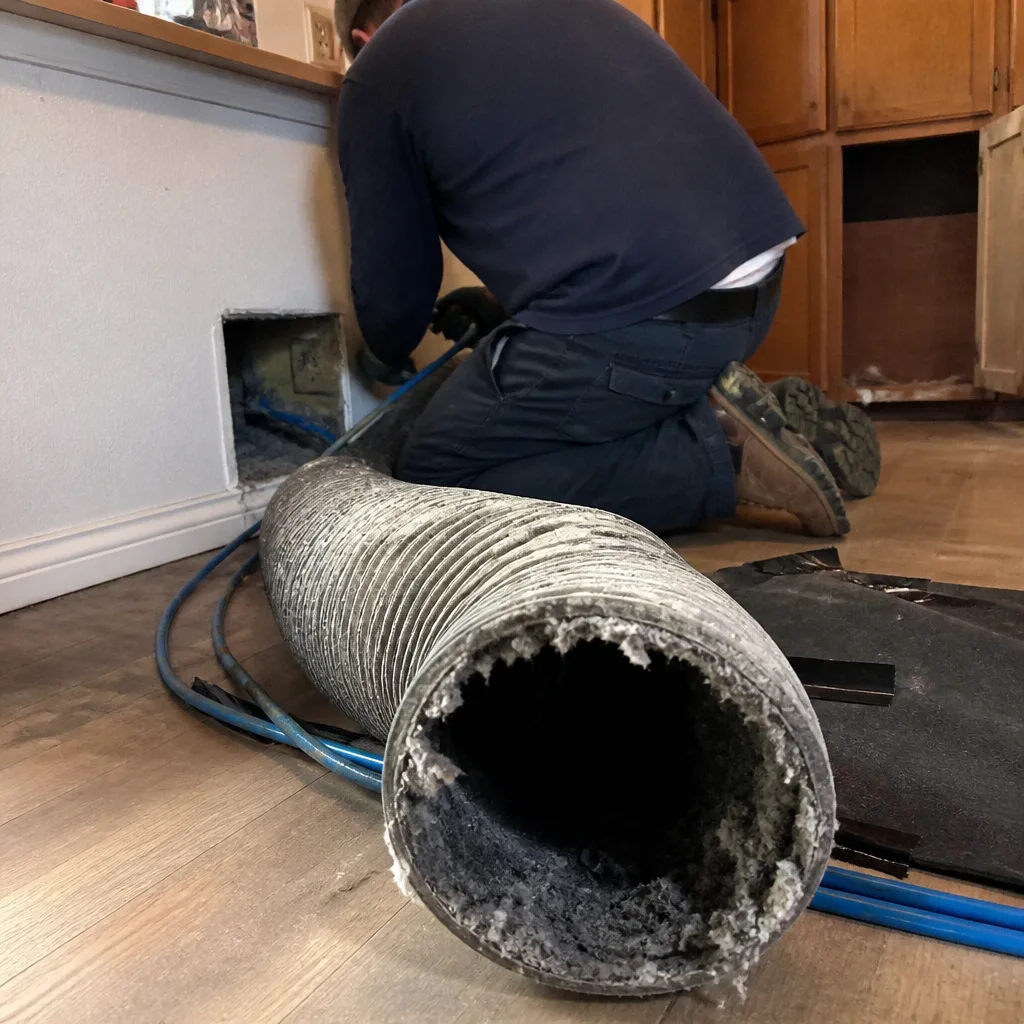 Before
 After
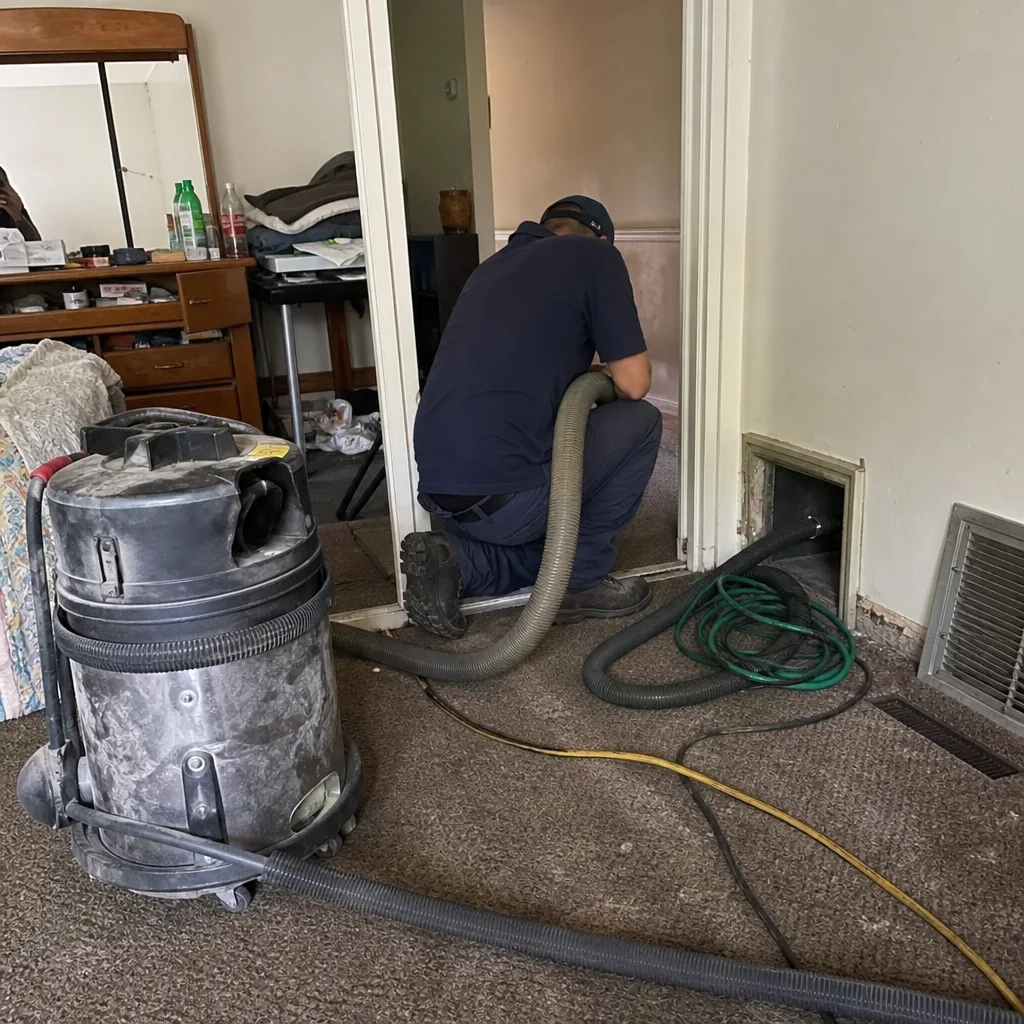 Before
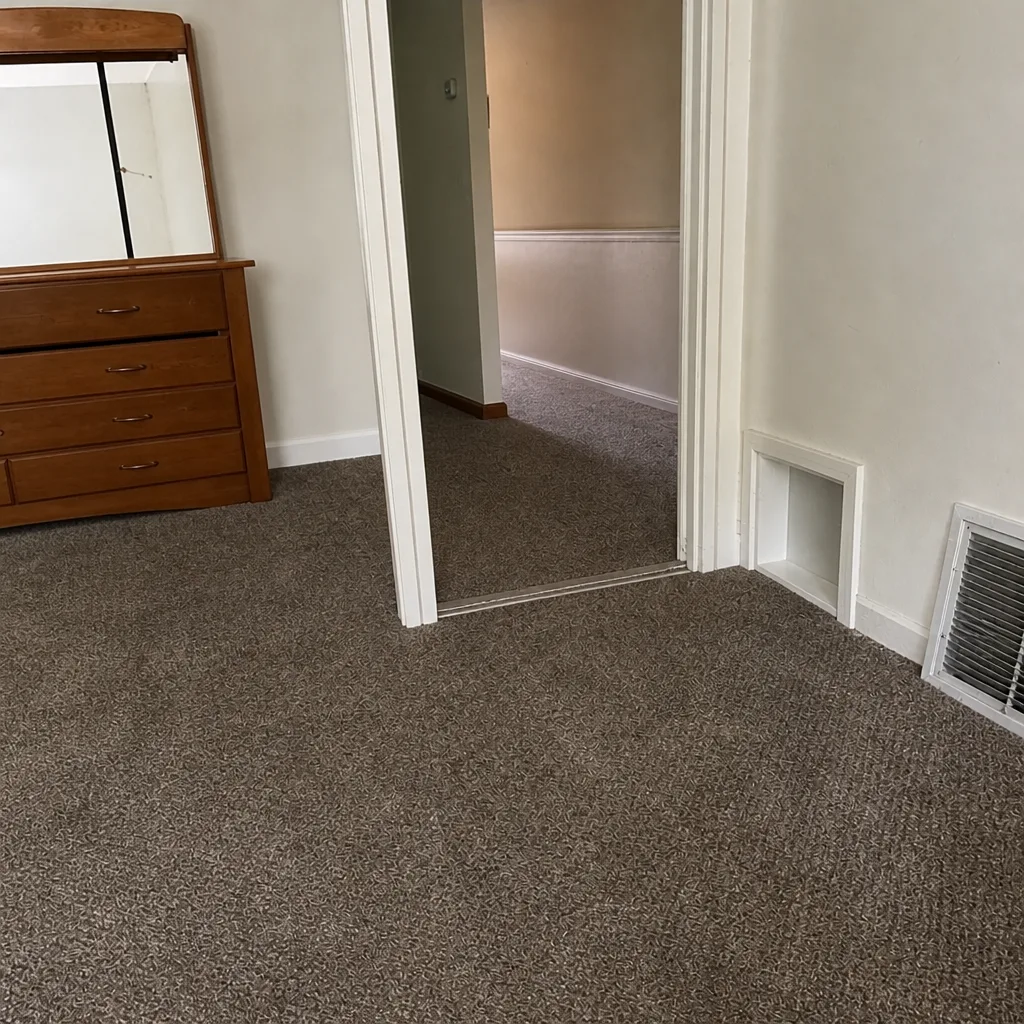 After
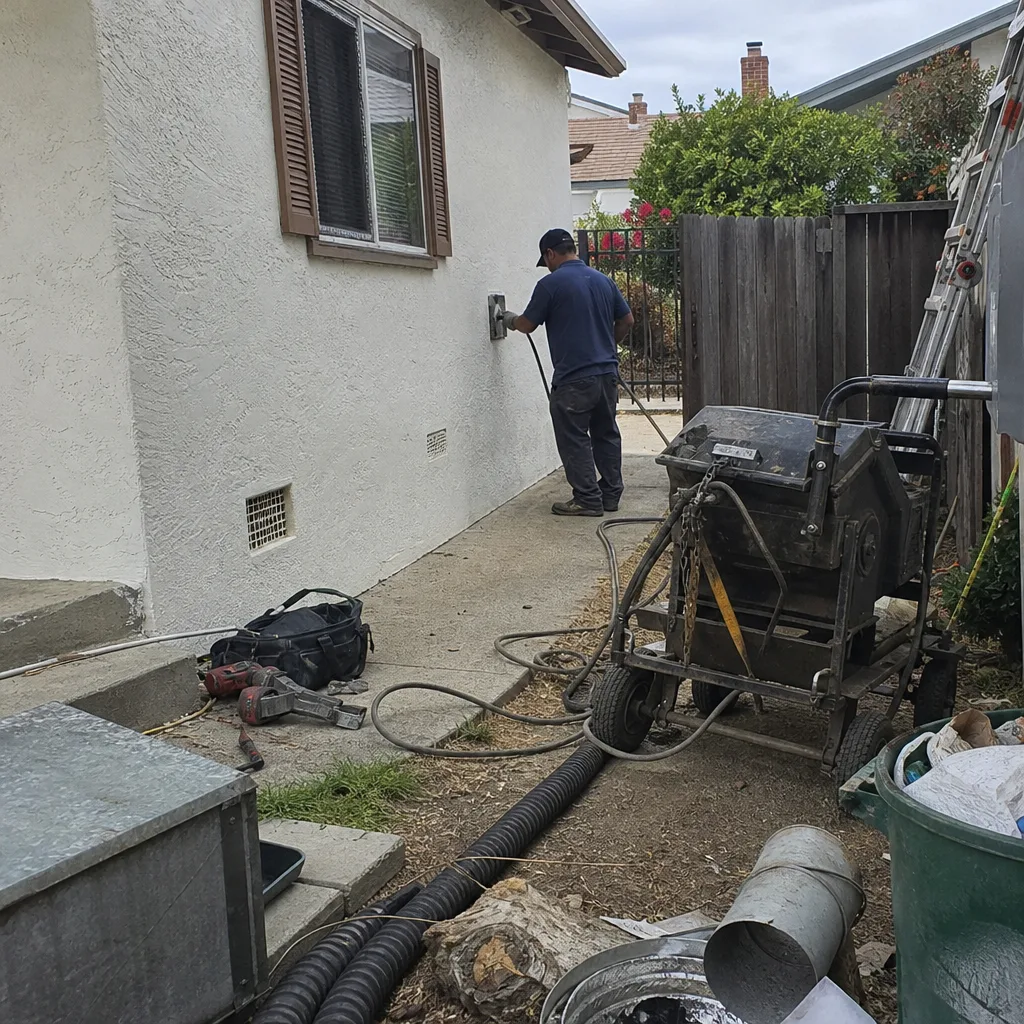 Before
 After
When to Call a Professional
Call a professional when the contamination event exceeds what routine filter replacement can address. That includes any sustained wildfire smoke exposure at hazardous AQI levels, any water intrusion that reached the air handler or visible duct runs, any pest activity inside the ductwork, any renovation project that produced substantial dust while the HVAC system was running, and any earthquake that resulted in airflow changes or new odors. If the filter shows heavy soiling from a single event, the ducts downstream need assessment. If registers show streaking or visible dust accumulation, the problem has already spread. Duct Cleaning San Leandro offers free estimates in San Leandro for duct cleaning, repair, and dryer vent work. Call (855) 356-5880. We answer 24/7. Fast dispatch from 7am to 7pm, Sunday through Friday.
Frequently Asked Questions
Check the air filter first. If it shows heavy gray or brown soiling from the event, the system ingested smoke and the ducts downstream were exposed. A residual smoky odor that persists after the outdoor air clears is a second indicator. Prolonged exposure at hazardous AQI with the system running makes duct contamination likely, and professional assessment with commercial-grade equipment is the only reliable way to confirm the extent.
Yes. A moderate tremor applies lateral force to the entire structure, and flex duct connections at plenums and air handlers are among the most vulnerable points. A connection can separate or partially dislodge without any visible damage at the register. Airflow changes, weak airflow in specific rooms, or new musty odors after a tremor all warrant professional inspection. Call (855) 356-5880 for a San Leandro duct system assessment.
Shut the system down at the thermostat immediately. Do not run the fan to dry it out, because that spreads moisture throughout the distribution network. Close registers in the affected area. Photograph everything: water staining around registers, the filter, and any visible duct runs. Then call a professional who can assess the extent of water intrusion and determine whether cleaning, repair, or section replacement is required.
It helps significantly, more than a standard one-inch filter, because the media is deeper and holds more particulate before loading. But no filter catches everything. During sustained hazardous AQI events, even high-efficiency media saturates, and whatever bypasses the filter deposits in the ducts. Filter your air, but assess the ducts after the event if exposure was prolonged.
Every one to two years for most San Leandro homes. Homes with long vent runs, multiple elbows, roof terminations, or heavy laundry use may need more frequent service. The warning signs of an obstructed vent are longer drying times, a hot dryer exterior, rapid lint screen filling, and a vent flap that does not open fully. If you have not had the vent cleaned recently, call (855) 356-5880 to schedule it before your next laundry cycle.
It depends on your policy and the documentation you provide. Most policies cover sudden and accidental damage from a covered peril. The documentation protocol in this guide is designed to give your adjuster what they need: photographs of the filter and duct surfaces, an AQI exposure log, and a record of the system’s runtime during the event. File the claim with this evidence attached for the strongest possible position.
The Bottom Line
San Leandro sits at the intersection of two environmental risks that most duct systems are not designed to absorb. Wildfire smoke saturates ducts with fine particulate that standard filters cannot stop. Seismic activity dislodges connections that fail silently behind walls. Both create emergencies that require more than routine maintenance. The protocol is consistent regardless of the cause: shut the system down, document thoroughly, assess the filter and registers, and call a company equipped to clean and repair in one visit. Commercial-grade equipment is not a luxury in these scenarios; it is the only methodology that removes contamination rather than redistributing it. Preparedness is not about predicting the next event. It is about knowing what to do when it arrives.
Written by the team at Duct Cleaning San Leandro, serving San Leandro since 2018.