
Last updated November 5, 2026
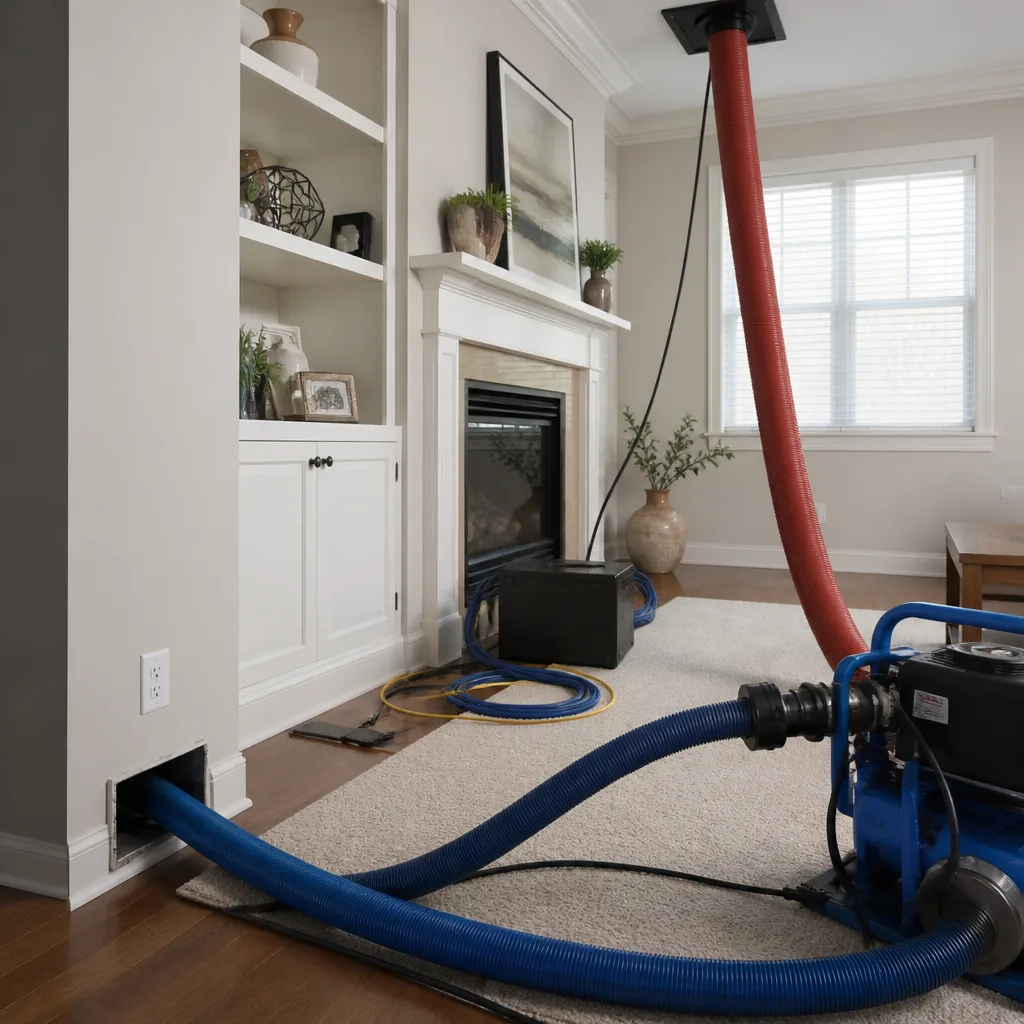 Whole-home duct cleaning
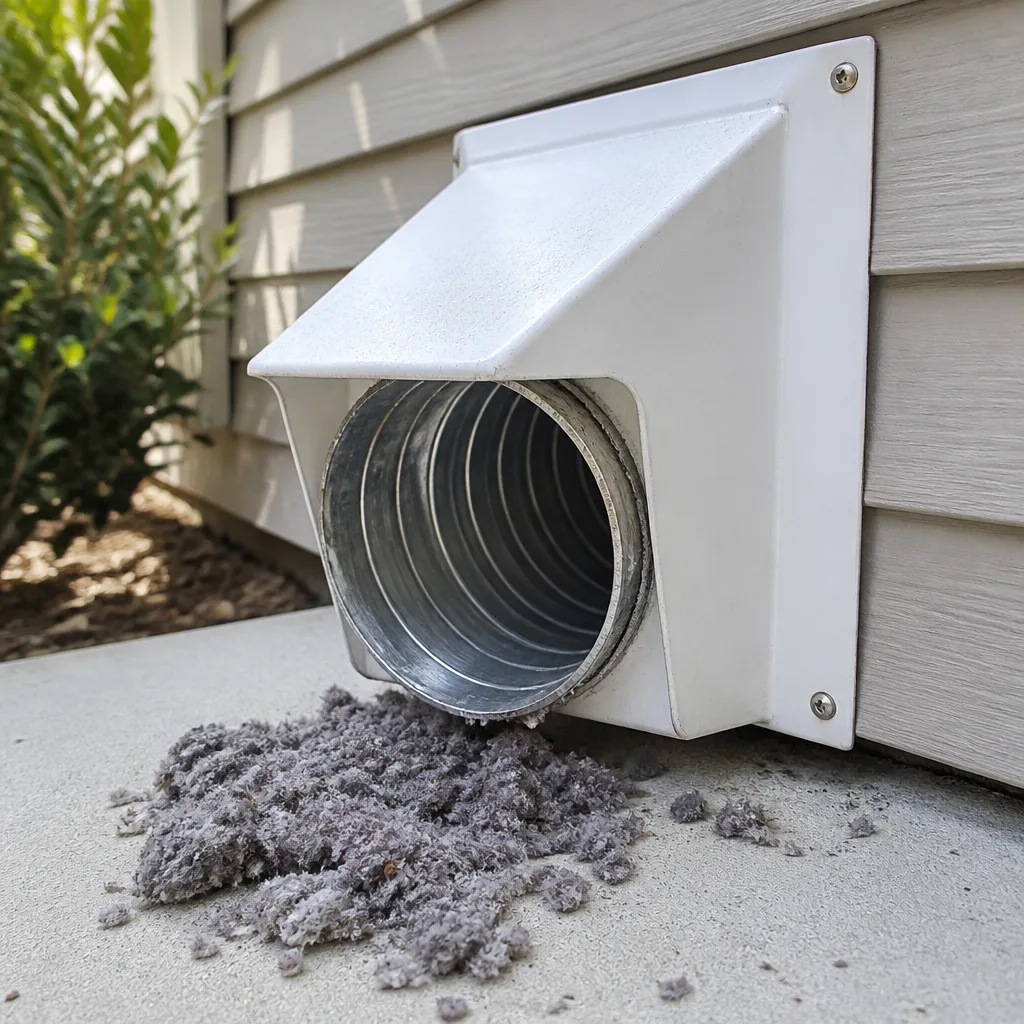 Dryer vent cleaning
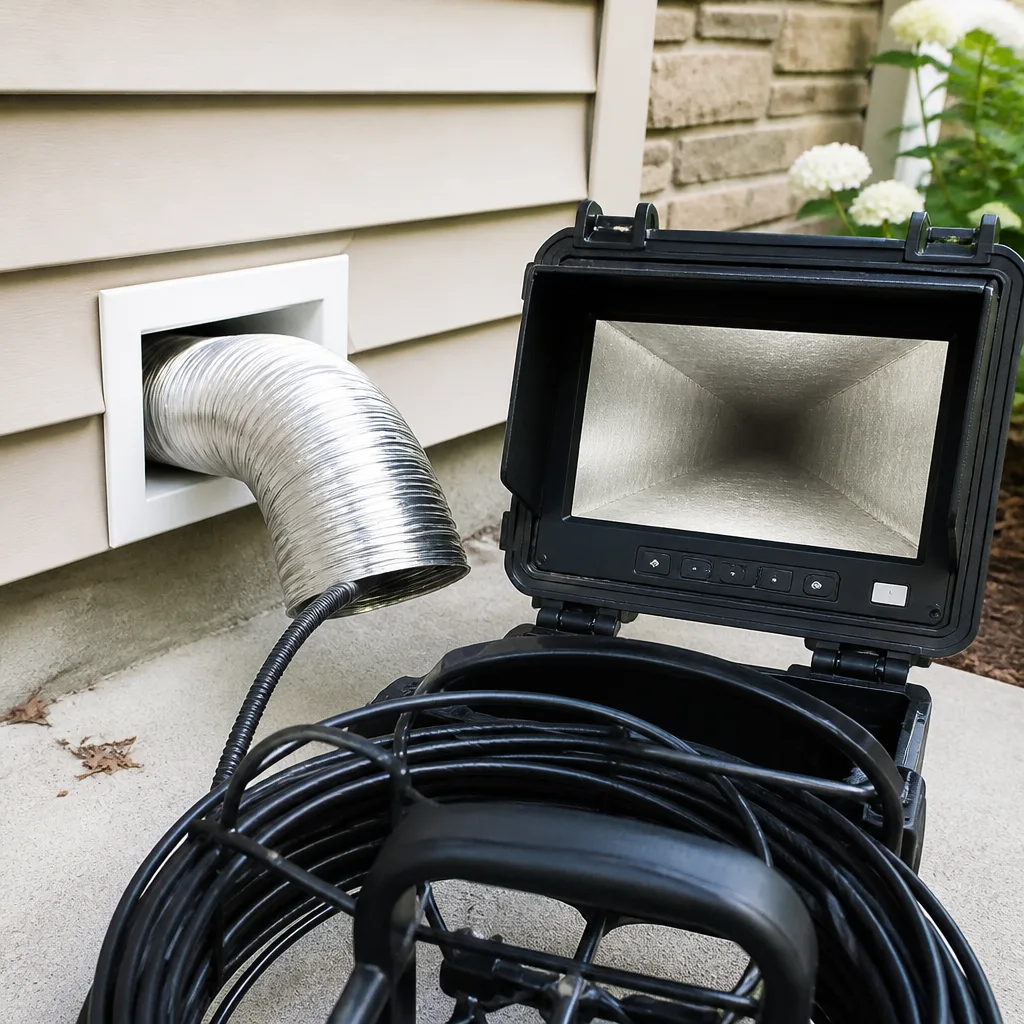 Camera inspection
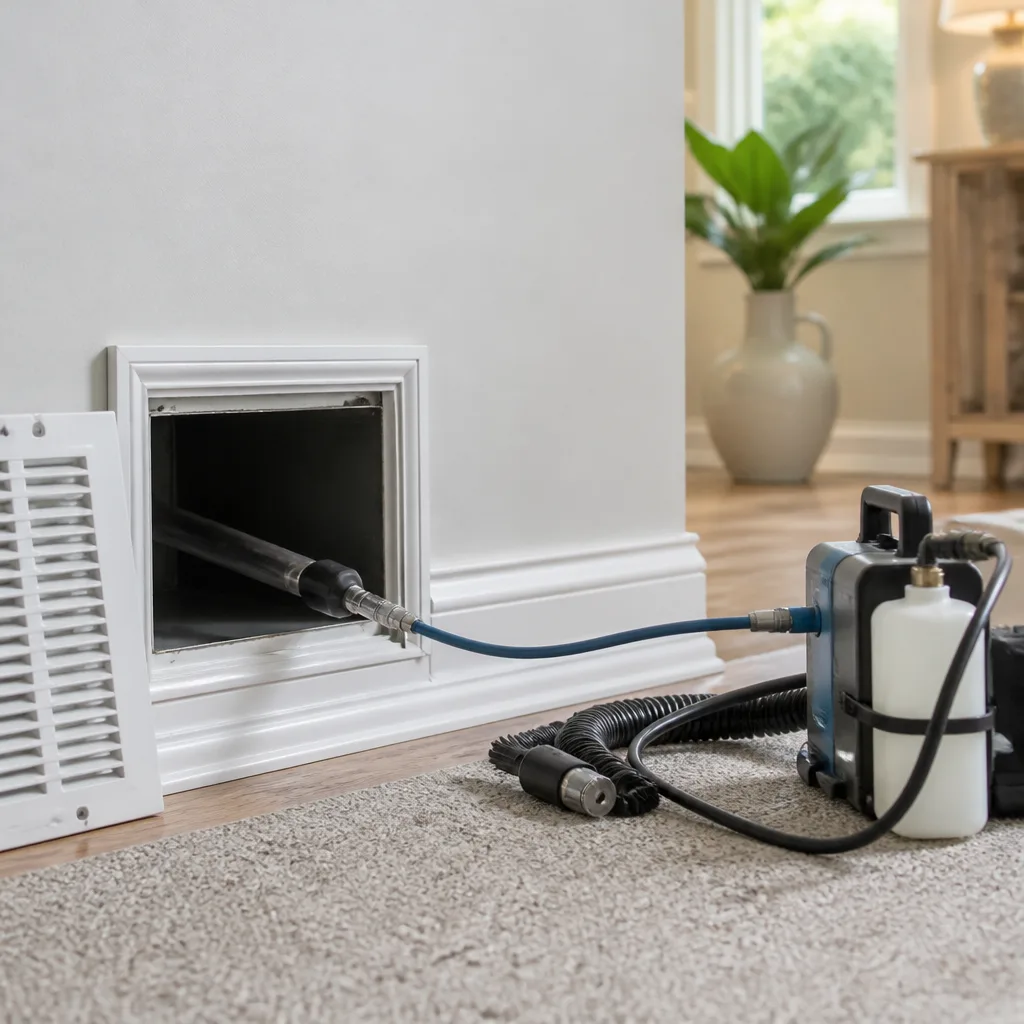 Sanitizing & deodorizing
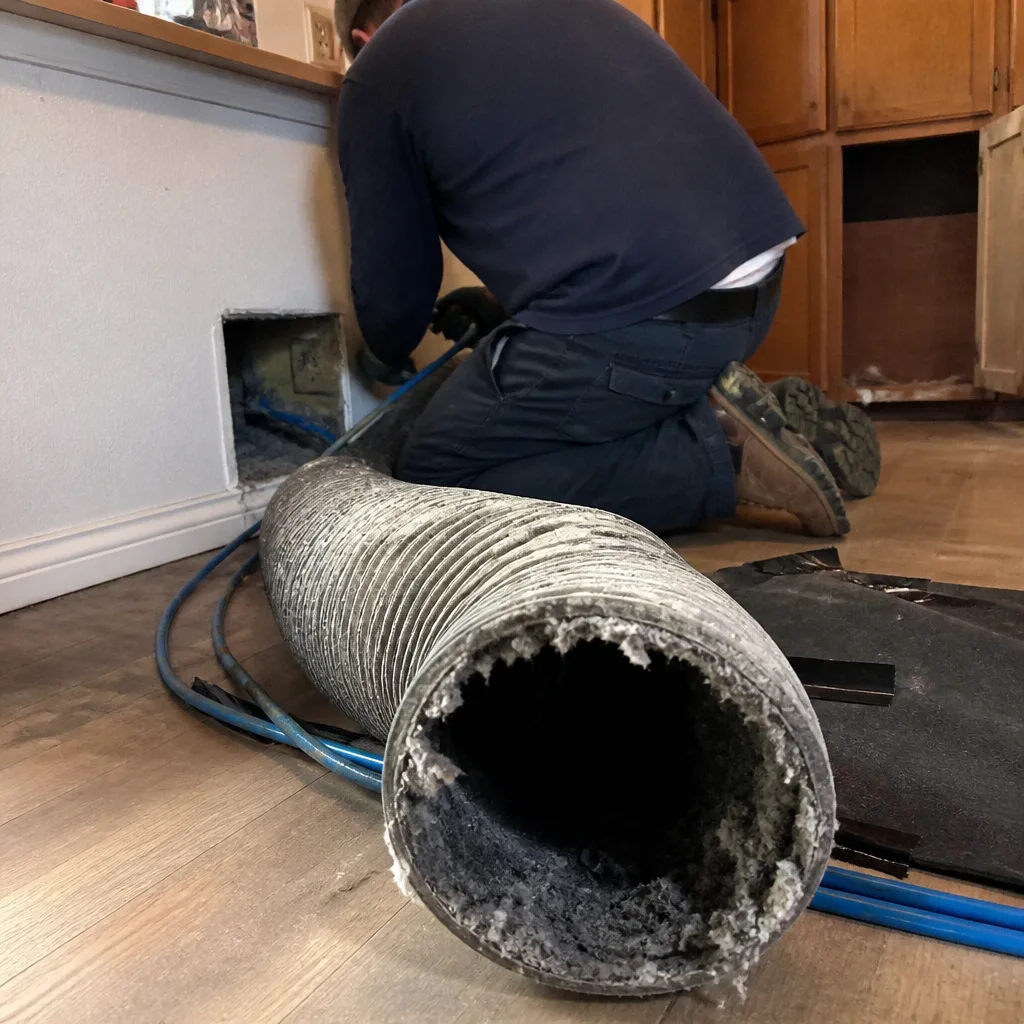
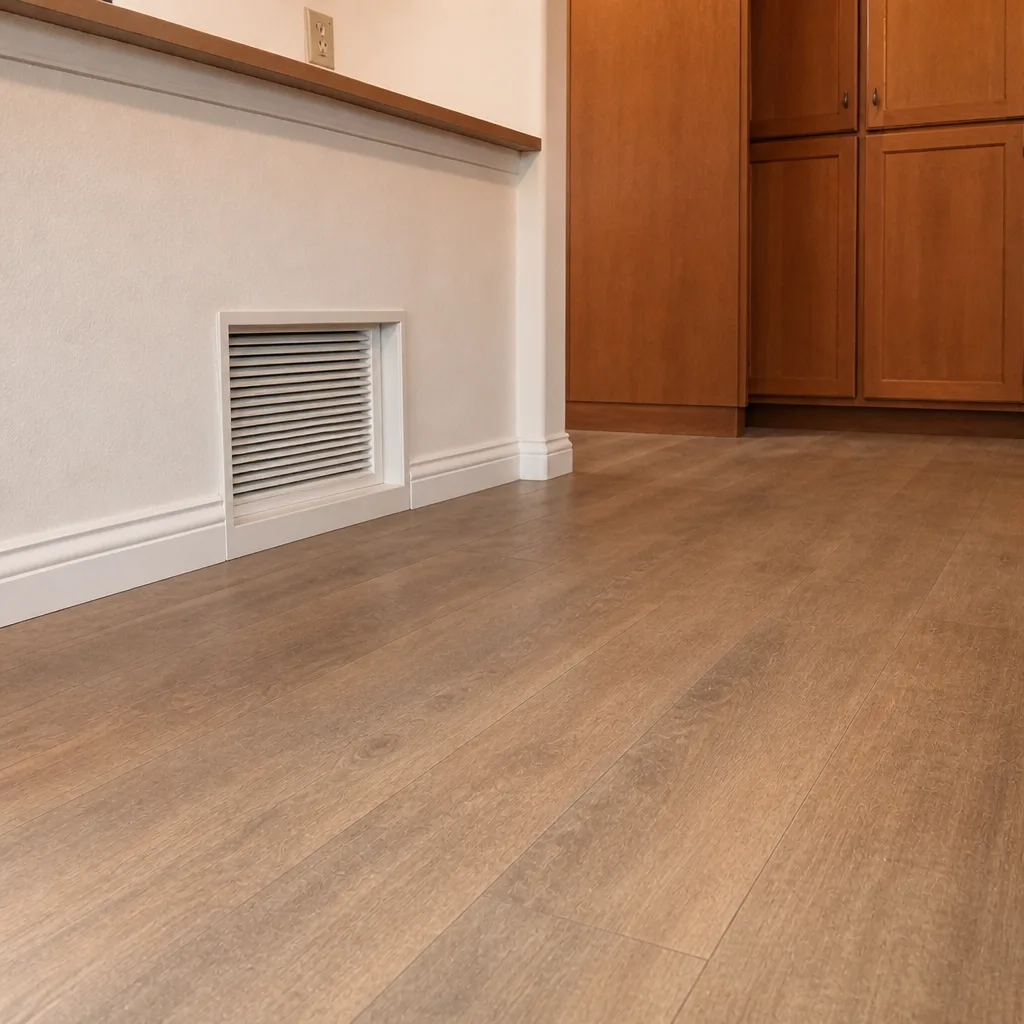
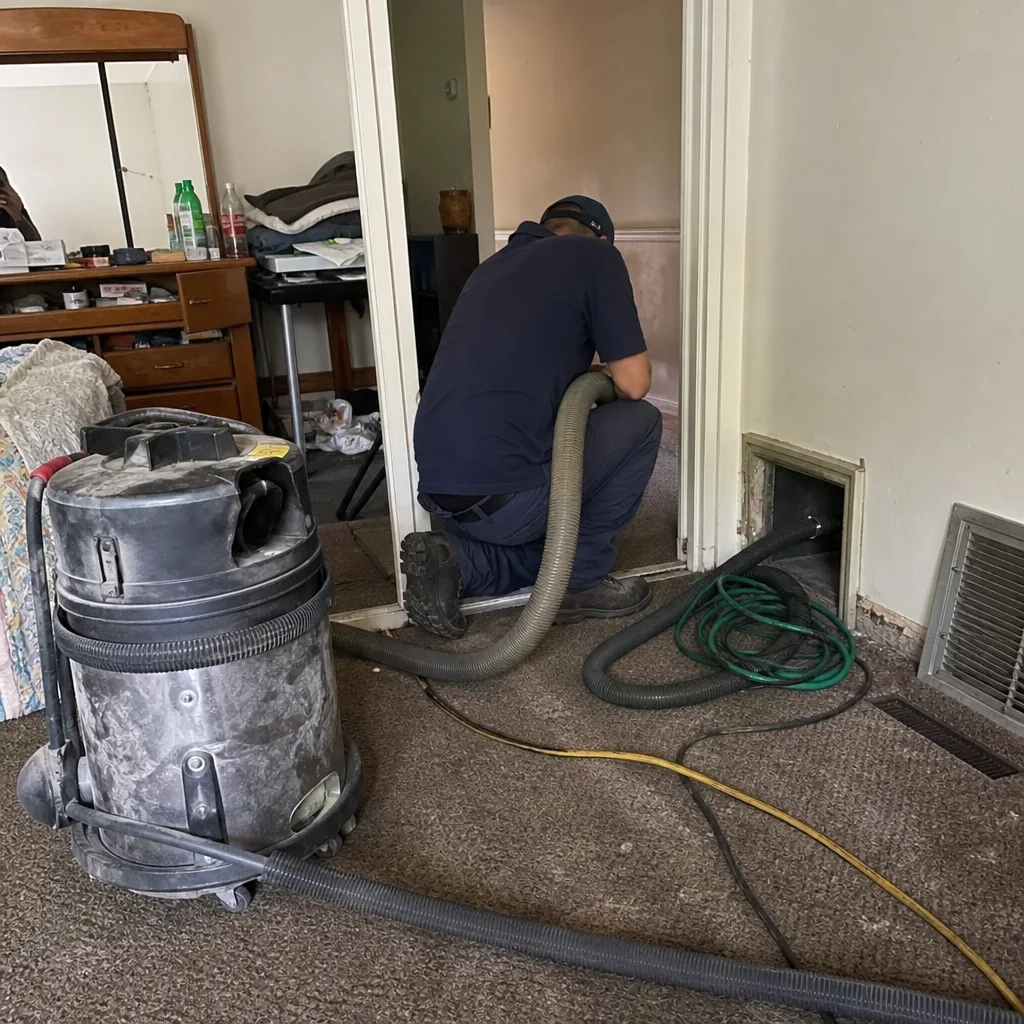
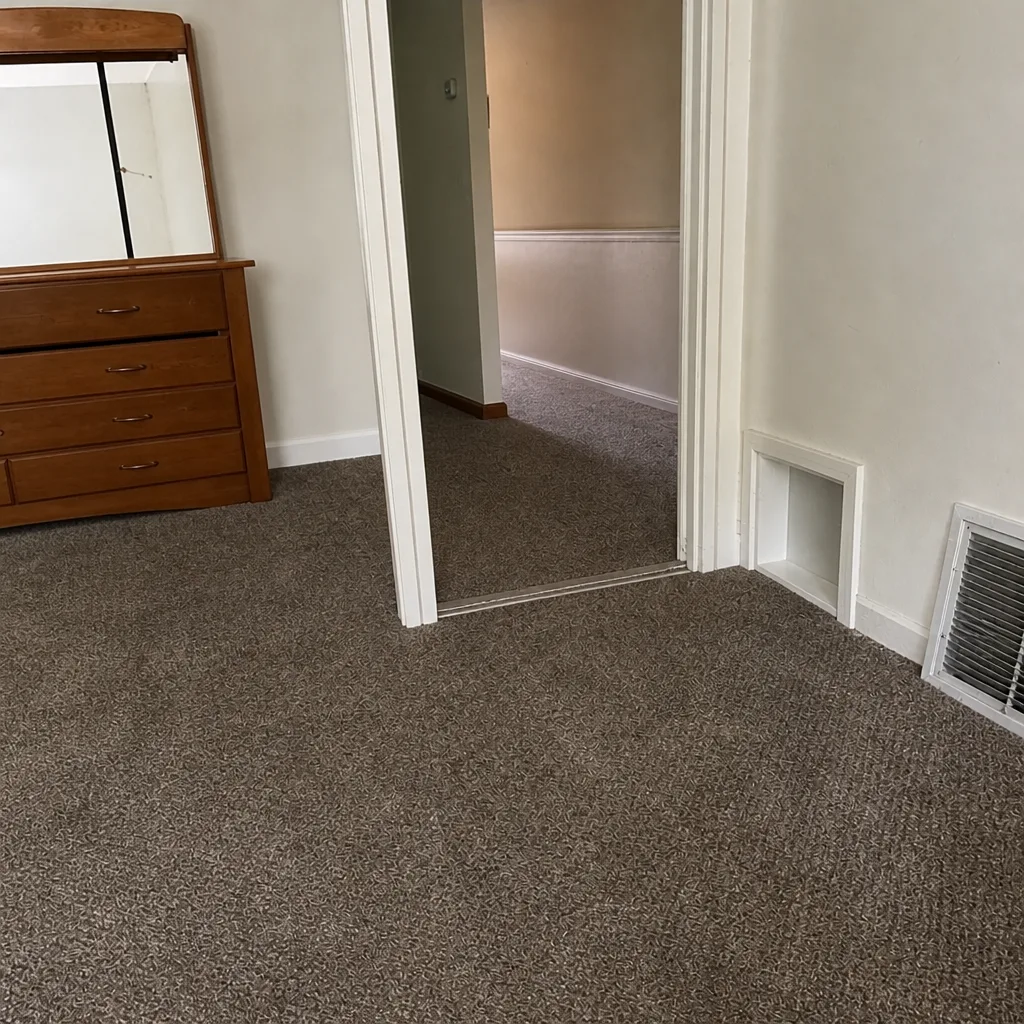
Whole-system duct and dryer vent check with before-and-after photos - you see exactly what came out of your vents
That "$99 whole-house special" is a bait ad - the real number appears once they are in your hallway, or the "clean" is a shop-vac at the register. We photograph the inside of your ducts before and after instead.
How to Hire an Air Duct Cleaning Contractor in San Leandro: A Step-by-Step Guide
A contractor can legally clean your ducts in California with a $200 shop vac and no certifications. Most coupon-based companies do exactly that. They run a hose through a few registers, stir up dust that was happily stuck to the duct walls, and leave. Within 48 hours, that debris re-settles throughout your San Leandro home, and you’re out a few hundred dollars with dirtier air than before. This guide teaches you how to separate equipment-serious contractors from van-and-vacuum operations before you ever let someone near your HVAC system.
Quick Answer
To hire an air duct cleaning contractor in San Leandro, verify three things before scheduling: the specific equipment they use (Rotobrush, Nikro, or Abatement Technologies are the professional-grade names), whether they can repair ductwork they find damaged, and whether their pricing is based on your actual system rather than a flat teaser rate. Ask these questions before booking, get a written estimate that names the equipment, and confirm they’ll show before-and-after photos of your ducts.
Styles & brands we work with
- Whole-home duct cleaning
- Dryer vent cleaning
- Camera inspection
- Sanitizing & deodorizing
Table of Contents
- Why the Equipment a Contractor Uses Matters More Than the Price
- The Questions to Ask Before Anyone Enters Your Home
- Red Flags Specific to Low-Bid Duct Cleaning Operations
- The Duct Repair Question Most Homeowners Never Ask
- How to Compare Two Quotes Using Identical Variables
- What NADCA Membership Actually Means (and What It Doesn’t)
- What San Leandro Homeowners Should Know About Their Ducts
- Common Mistakes to Avoid
Why the Equipment a Contractor Uses Matters More Than the Price
The dividing line in duct cleaning isn’t price, reviews, or how polite the person on the phone is. It’s what gets wheeled up to your house. In our experience, the entire industry splits into two camps: contractors running commercial-grade negative-air and rotary-brush systems, and everyone else with a portable vacuum and a long hose.
A shop vac, even a powerful one, doesn’t create the negative air pressure required to pull debris through the full length of a duct run. It loosens what’s near the register and leaves the rest. Worse, without containment, it can send fine particulate into your living space during the process. The professional alternative is a HEPA-filtered negative air machine that puts your entire duct system under suction while agitation tools dislodge buildup. That’s what the commercial names do.
Three equipment brands signal the commercial-grade tier:
- Rotobrush: Rotary brush systems that physically scrub duct walls while vacuuming. The spinning bristles reach what air pressure alone can’t dislodge.
- Nikro: HEPA-vacuum rigs built around serious negative air pressure. These are the units you see on commercial duct cleaning contracts, not residential flyers.
- Abatement Technologies: Air-scrubbing and containment equipment designed for high-contamination scenarios, including post-renovation debris and mold-adjacent situations.
When a contractor can’t name their system, that’s an answer in itself. Every legitimate operator knows exactly what they run. A vague “industrial-strength vacuum” or “powerful truck-mounted system” without a manufacturer name usually means consumer-grade equipment dressed up in confident language. We show up with Rotobrush and Nikro rigs, not a shop vac and a flashlight, because the tool defines the result.
Your ducts carry every breath your family takes indoors. The equipment used to clean them deserves at least as much scrutiny as the price.
The Questions to Ask Before Anyone Enters Your Home
You don’t need to become an HVAC expert to vet a duct cleaning contractor. You need to ask five specific questions and listen carefully to the answers. Hesitation, deflection, or generic responses are all red flags.
1. What equipment do you use, and who manufactures it?
A direct answer with a brand name (Rotobrush, Nikro, Abatement Technologies) tells you they’ve invested in professional tooling. A contractor who says “a powerful vacuum system” or “the best equipment available” without specifics is dodging the question. The equipment is the service. There’s no reason to hide it unless it’s a consumer vacuum from a hardware store.
2. Do you repair ductwork you find damaged during cleaning?
This question surprises most contractors because most can’t say yes. Duct cleaning pulls years of accumulated debris out of your system, and it’s common to find disconnected sections, crushed flex ducts, gaps at joints, or rusted-through metal. A cleaning-only company documents the problem and hands you a referral to someone else. That means a second appointment, a second estimate, and another day off work. Ask before booking.
3. Will I see photos of my ducts before and after?
Modern inspection cameras make this trivial. If a contractor can’t show you the inside of your ducts before cleaning and after, you have no way to verify work was done at all. We provide before-and-after photos because the inside of your ducts is the entire point of the service. A contractor who can’t show you that is asking for trust without evidence.
4. How do you price the job?
The answer you want references your system: number of registers, duct type, access complexity, linear footage. The answer you don’t want is a flat number quoted before anyone has looked at your home. More on why flat-rate is a red flag in the section below.
5. How long will the cleaning take?
A whole-home duct cleaning on a typical San Leandro house runs two to four hours when done properly. Fifteen-minute or thirty-minute promises mean someone is running a hose through registers, not cleaning ducts. Negative-air duct cleaning is a process: setup, agitation, air scrubbing, and verification. Speed here isn’t efficiency. It’s omission.
Ask all five questions before you agree to an estimate. The answers shape everything that follows.
Red Flags Specific to Low-Bid Duct Cleaning Operations
Duct cleaning has almost no licensing barrier to entry in California. There’s no state duct-cleaning license class, no mandated certification, and no requirement to demonstrate competence before charging money. That creates a market where low-bid operators flourish, and their patterns are predictable once you know what to look for.
Here are the specific red flags that signal a van-and-vacuum operation:
- Flat-rate pricing quoted over the phone without seeing your system. A San Leandro home with sixteen registers spread across two stories presents a different job than a bungalow with eight. Anyone quoting one number for “any home” isn’t pricing your job, they’re pricing a coupon.
- Per-vent pricing advertised as the headline rate. A low per-vent number with a minimum vent count, or fees for returns, trunks, and mains added after, is bait pricing. The math always arrives somewhere near a legitimate quote, but only after you’ve committed to the visit.
- No ability to repair what they find. Cleaning-only contractors have a structural incentive to finish fast and move to the next job. If they find a disconnected duct, documenting it slows them down and creates an awkward conversation. Some simply don’t look that hard.
- Push for add-ons during the visit. Sanitizing sprays, deodorizers, and “anti-microbial treatments” sold at the door are common upsell pressure points. Legitimate sanitizing exists, but it should be discussed at estimate time, not introduced once your ducts are already open.
- No before-and-after inspection capability. If they can’t show you photos, you can’t verify anything. This is non-negotiable in an industry with almost no oversight.
The common thread is structure: low-bid operations are built around throughput, not results. The pricing model, the equipment list, and the inability to repair all serve the same goal: get in, get out, get to the next coupon customer. A contractor who can’t afford to spend two to four hours on your home is not a contractor who can clean your ducts.
How to Structure a Comparison Between Two Quotes Using Identical Variables
Most homeowners compare duct cleaning quotes by price alone. That’s a mistake, because two quotes are rarely pricing the same scope of work. One might include every register, return, trunk line, and main. Another might count only supply vents and price everything else as “additional.”
To compare honestly, force both quotes into identical terms:
- Ask for the total price for the entire duct system. Not per vent. Not “starting at.” The complete cost to clean every supply register, return, trunk line, and main trunk in your home. That’s the only number you can actually compare.
- Confirm the equipment used. A quote from a contractor running Nikro HEPA-vacuum rigs and another from someone with an unnamed portable vacuum are not comparable services, regardless of price.
- Ask what happens if damage is found. Will quote A repair a disconnected duct on the same visit? Will quote B? If only one can, that’s a material difference worth real money.
- Confirm the time commitment. A two-hour job and a four-hour job at the same price are not equal rigor. Ask both contractors how long the job should take and the price should include.
- Request before-and-after photos in writing. If one contractor commits to photographic verification and the other hesitates, you’re not comparing quotes anymore. You’re comparing verification standards.
After doing this, the comparison typically shakes out: the low quote prices a partial job on inferior equipment with no repair capability and no verification. The higher quote prices the full system on commercial equipment, includes repairs, and documents the work. Once the variables are identical, the decision usually makes itself.
The Duct Repair Question Most Homeowners Never Ask
Here’s a scenario that plays out constantly in San Leandro homes: a homeowner books a duct cleaning, the contractor finds a disconnected return duct in the crawlspace that’s been pulling in unfiltered outside air, and the contractor says, “We don’t do repairs. Here’s a referral.” The homeowner now needs a second company, a second estimate, and another appointment window.
The question to ask before booking: do you repair what you find?
Most duct cleaners don’t. Duct repair is a separate skillset requiring different tools and materials: mastic sealant, sheet metal, flex duct replacement, hangers and supports, foil tape, and the knowledge to know which to use where. A cleaning-only company hasn’t invested in that capability, so they can’t offer it. We clean it and fix it on the same visit because damaged ductwork is part of what cleaning reveals. It makes no sense to restore airflow through a duct system with a hole in it.
This matters in San Leandro for a specific reason: many homes predate modern HVAC efficiency standards. Flex duct degrades, tape dries out, and connections fail over decades of heating and cooling cycles. The older the home, the more likely a cleaning will uncover something worth fixing. If your contractor can’t fix it, the cleaning itself becomes an unfinished job.
Ask the repair question before you book. If the answer is no, at least you’ll know what the follow-up process will look like.
What NADCA Membership Actually Means (and What It Doesn’t)
NADCA, the National Air Duct Cleaners Association, is the closest thing the industry has to a professional standard. Membership means the contractor has agreed to follow NADCA’s assessment, cleaning, and restoration guidelines, which are more specific and more rigorous than anything required by the State of California. That’s meaningful.
But it’s not a guarantee. Here’s what NADCA membership does and doesn’t require:
- What it covers: Adherence to a published set of procedural standards for how duct systems should be assessed, cleaned, and verified. NADCA-certified technicians have passed an exam on those standards. It’s real education, not a certificate of attendance.
- What it doesn’t require: NADCA does not inspect every member’s work, does not audit equipment, and does not police every job a member performs. Membership sets the floor, not the ceiling, and some members clear that floor only technically.
So NADCA membership is a meaningful signal when present. Its absence isn’t automatically disqualifying, but it’s worth asking why. A contractor who can articulate their processes and equipment without the certification might still do excellent work; the memberships and brands together tell you how seriously someone takes the craft.
In San Leandro specifically, there is no local requirement that a duct cleaner hold NADCA certification or any other industry credential. That’s another reason the equipment question matters so much. When no one’s forcing a standard, the standard a contractor chooses for themselves tells you everything.
What San Leandro Homeowners Should Know About Their Ducts
San Leandro’s mild winters mean your HVAC system does double duty: cooling through long dry summers and heating through the short cool season. That’s more runtime than a furnace-only climate, and more runtime means more air cycling through your ducts, which means more dust accumulation per year. Homes here often contain decades of accumulated skin cells, pet dander, pollen, and construction dust from renovations that were never cleaned out.
Older San Leandro housing stock brings specific ductwork issues. Homes built before modern energy codes often have metal ducts with older tape seals that fail over time, or flex duct runs through attics that degrade in heat. Both create small leaks that pull in unfiltered air from attics and crawlspaces, bypassing your filter entirely. A proper cleaning in these systems requires inspecting what’s actually there, not just running a brush through.
For homes with whole-home air quality equipment from Honeywell or Aprilaire, the cleaning process needs to work around those systems without compromising them. These installations represent real investment in indoor air quality, and a contractor who doesn’t understand how they integrate with ductwork can do more harm than good. We work with and around Honeywell and Aprilaire equipment because cleaning without understanding the full HVAC ecosystem is how filters get clogged and sensors get fouled.
Post-renovation debris is another San Leandro reality. Kitchen remodels, bathroom gut jobs, and room additions generate fine dust that settles inside ductwork and stays there. If you’ve completed a renovation and never had ducts cleaned afterward, that dust is still moving through your air. Abatement Technologies air-scrubbing units handle post-renovation and high-contamination scenarios that lesser-equipped competitors turn away from.
The takeaway for San Leandro specifically: your mild climate means more system runtime, your older homes mean more potential for duct leaks, and your renovations mean more debris in the system. All three argue for taking equipment and capability seriously.
For a deeper look at what full-service air duct cleaning involves, and why dryer vent cleaning matters for fire safety, those pages cover the specifics. And for more context on the area itself, our San Leandro page explains what makes homes here different.
Common Mistakes to Avoid
- Hiring based on the lowest quote. The low bid is low because something is missing: equipment, time, repair capability, or all three. In a market with no licensing barrier, price is the least reliable signal of quality.
- Not asking about equipment before booking. Every legitimate operator can name their system. If they can’t, you’ve scheduled a visit from a vacuum and a hose.
- Skipping the repair conversation. Duct cleaning reveals what’s inside your ducts, including damage. If your contractor can’t repair what they find, you’re buying half a service.
- Accepting a flat-rate quote sight unseen. No legitimate contractor prices a sixteen-register two-story home the same as an eight-register bungalow. Flat rates mean someone’s rounding in their own favor.
- Not requiring before-and-after photos. The inside of your ducts is the product. No photos means no verification, and you’ll never know if the work was real or theatrical.
- Falling for per-vent teaser pricing. A “low introductory rate” per vent that balloons once returns, trunks, and mains are added isn’t a deal. It’s a sales tactic designed to get a van to your driveway.
- Treating mold claims casually. If a contractor mentions mold, that changes the job scope. High-contamination scenarios need containment equipment (Abatement Technologies units, for example), not a standard cleaning pass. Ask for specifics and require documentation.
See the difference
 Before
 After
 Before
 After
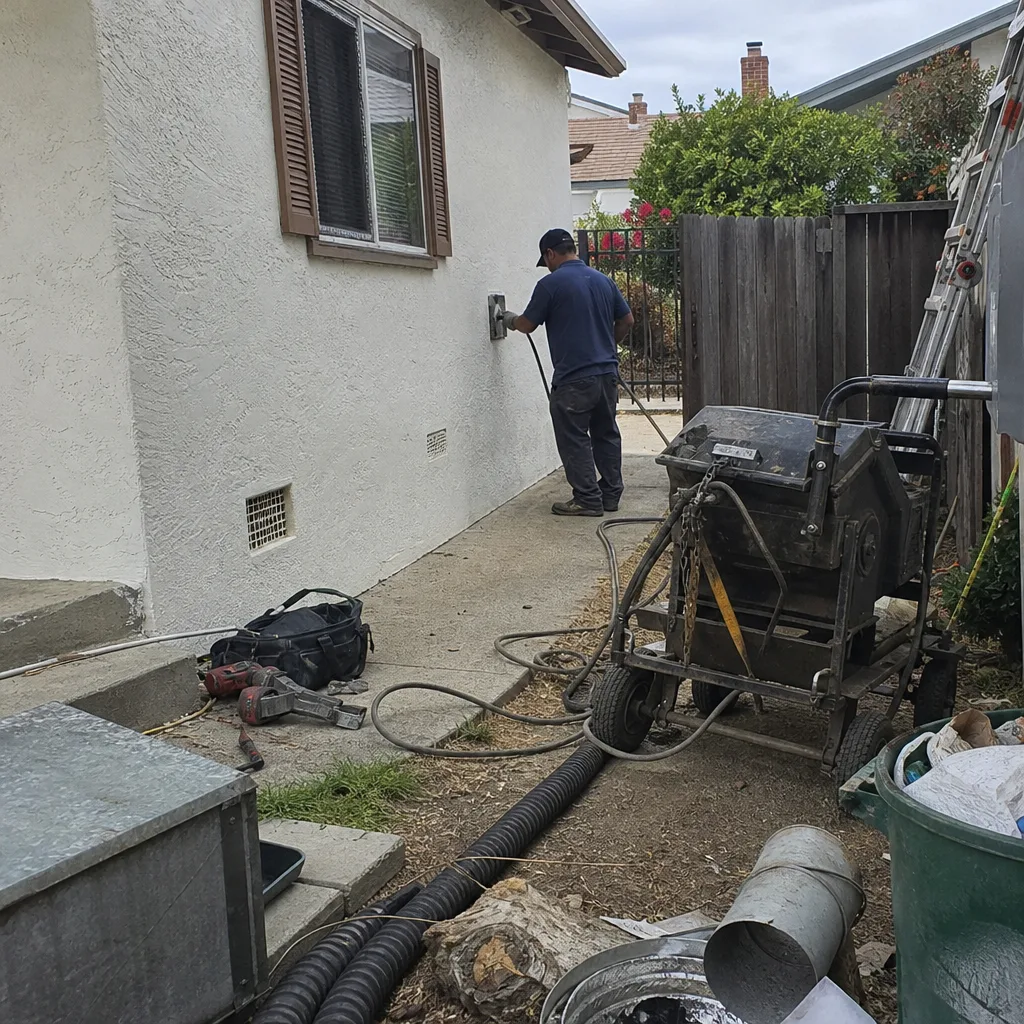 Before
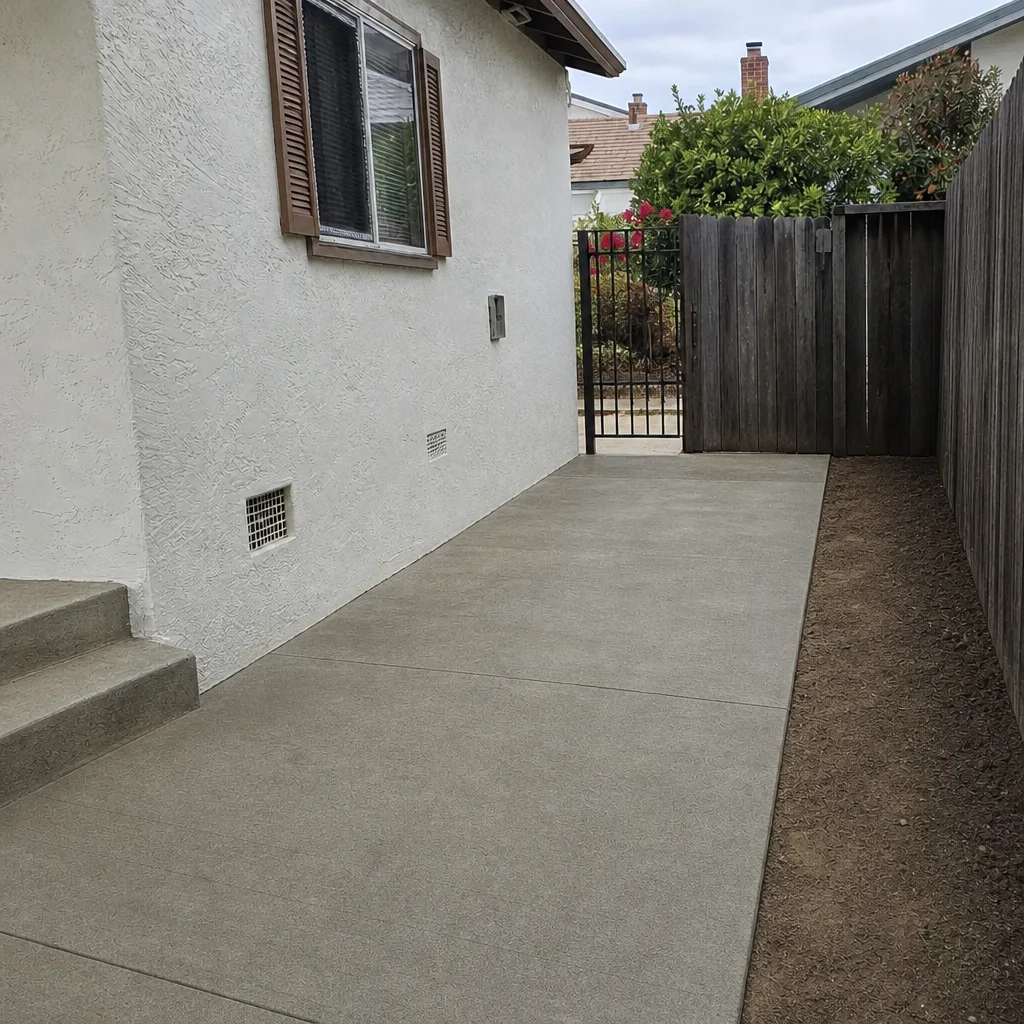 After
When to Call a Professional
Duct cleaning isn’t a DIY job, and it isn’t something to defer indefinitely. Call a professional when you notice visible dust blowing from registers, when family members’ allergies worsen indoors, when renovations have introduced fine debris into your HVAC system, or when you’ve lived in your San Leandro home for several years without ever having ducts inspected. Musty smells from the system, unexplained increases in energy bills, and a furnace filter that clogs quickly are all additional signals. Duct Cleaning San Leandro offers free estimates in San Leandro. Call (855) 356-5880. We answer 24/7. Fast dispatch from 7am to 7pm, Sunday through Friday.
Frequently Asked Questions
Duct cleaning in San Leandro typically ranges from $350 to $900 for a whole-home system, depending on the number of registers, duct type, access complexity, and whether contamination is present. That’s for a complete system, not per vent. The written estimate sets the final price before any work begins. Call (855) 356-5880 for an exact quote on your system. Estimates are free.
Cheaper quotes usually mean cheaper equipment (consumer vacuums instead of professional negative-air systems), shorter service time, no repair capability, and no verification. The low price isn’t a bargain; it’s a different scope of work. When you normalize two quotes for identical variables (full system, commercial equipment, repair capability, photo verification), the price gap either shrinks dramatically or reveals what’s being omitted.
You should receive before-and-after photos of the inside of your ducts from an inspection camera. Without photographic verification, you’re trusting a contractor’s word about work you can’t see. A legitimate operator photographs the system before, cleans it, then photographs again so you can compare. If photos aren’t offered, ask why.
For most San Leandro homes, every three to five years is a reasonable interval. Homes with pets, smokers, recent renovations, or family members with respiratory conditions may benefit from more frequent cleaning. The honest answer depends on your household; if your air filters clog quickly, you’ll likely need more frequent attention.
It can, but expectations matter. Duct cleaning removes the accumulated dust, dander, and pollen that circulates through your HVAC system. It doesn’t eliminate allergens from surfaces, but it does remove the reservoir that re-contaminates your air every time the system runs. For allergy sufferers, clean ducts mean less particulate being actively blown into rooms.
It should. A proper cleaning involves inspection, not just vacuuming. Disconnected joints, crushed flex duct, and worn seals are common findings in older San Leandro homes. The question is whether your contractor can fix them on the same visit. We clean and repair on one trip, so you don’t need to book a second company.
The Bottom Line
Hiring a duct cleaning contractor in San Leandro comes down to three questions: what equipment do you use, what happens when you find damage, and how will you prove the work? The answers separate commercial-grade operations running Rotobrush, Nikro, and Abatement Technologies systems from low-bid operations with a van and a shop vac. California’s lack of licensing requirements puts the burden on you, the homeowner, to verify competence before scheduling. Ask the questions in this guide, compare quotes using identical variables, and require before-and-after verification. Your ducts carry every breath your family takes indoors.
Written by the team at Duct Cleaning San Leandro, serving San Leandro since 2018.