
Last updated November 5, 2026
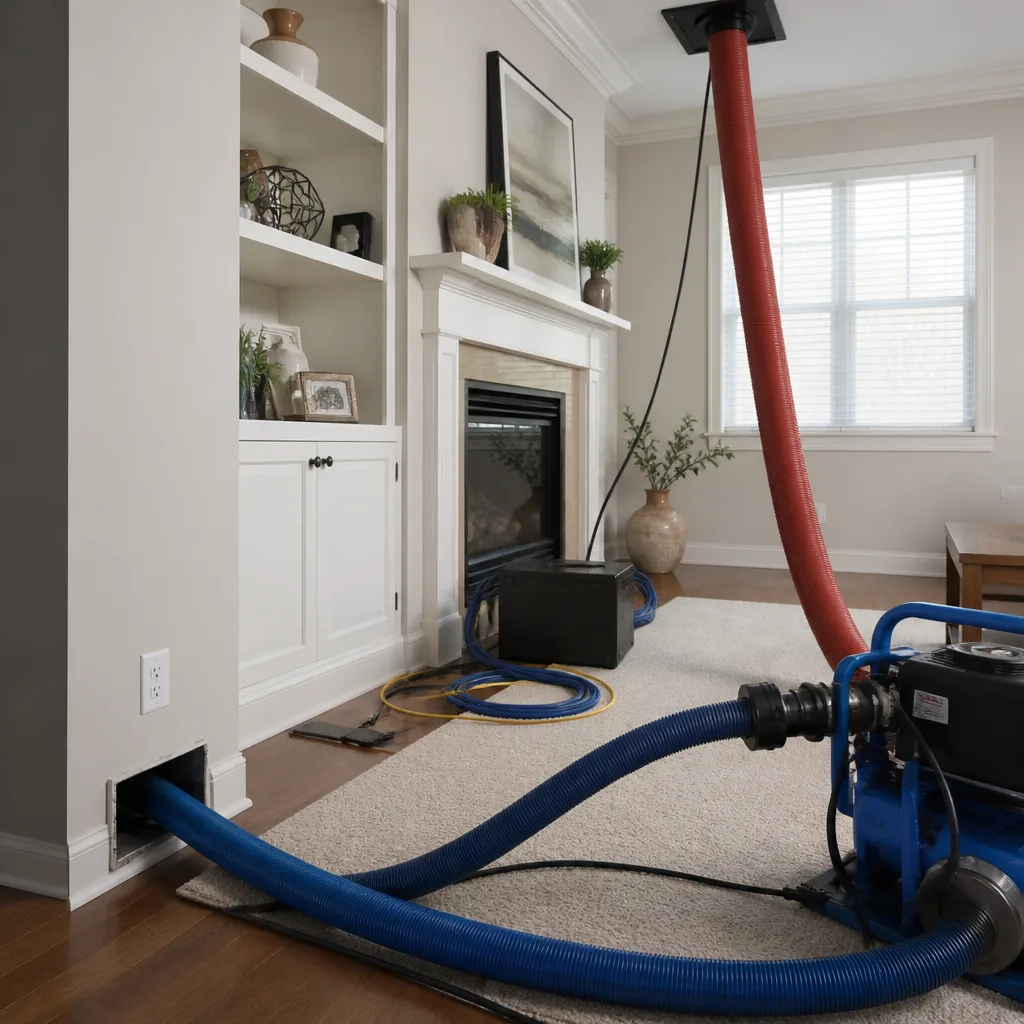 Whole-home duct cleaning
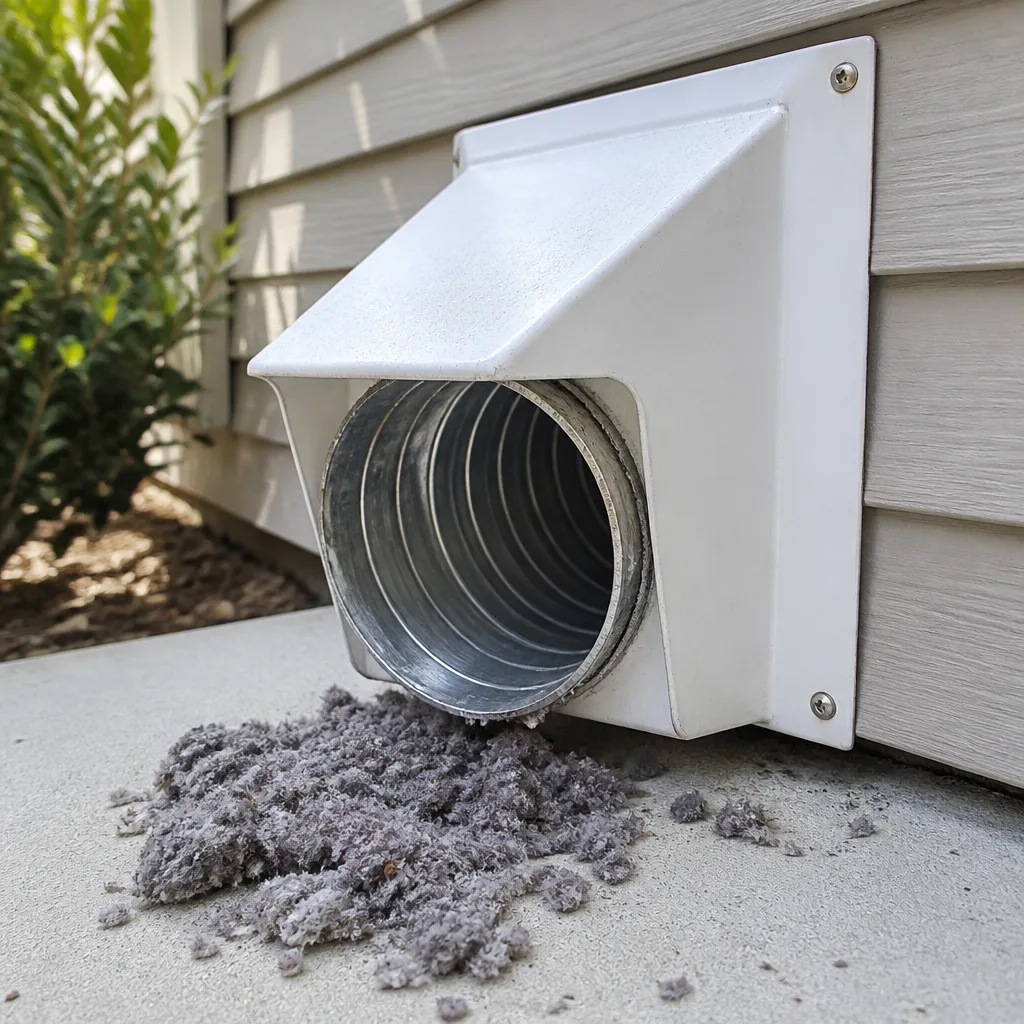 Dryer vent cleaning
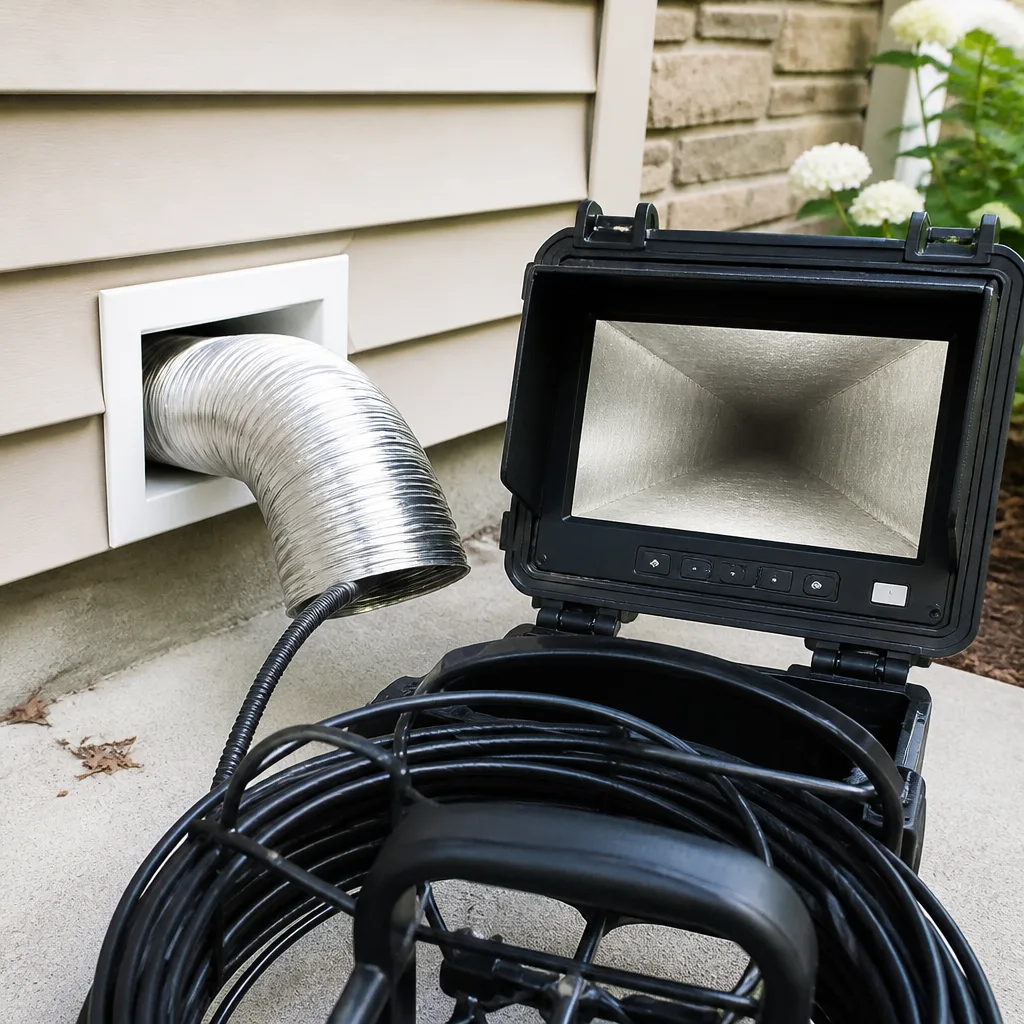 Camera inspection
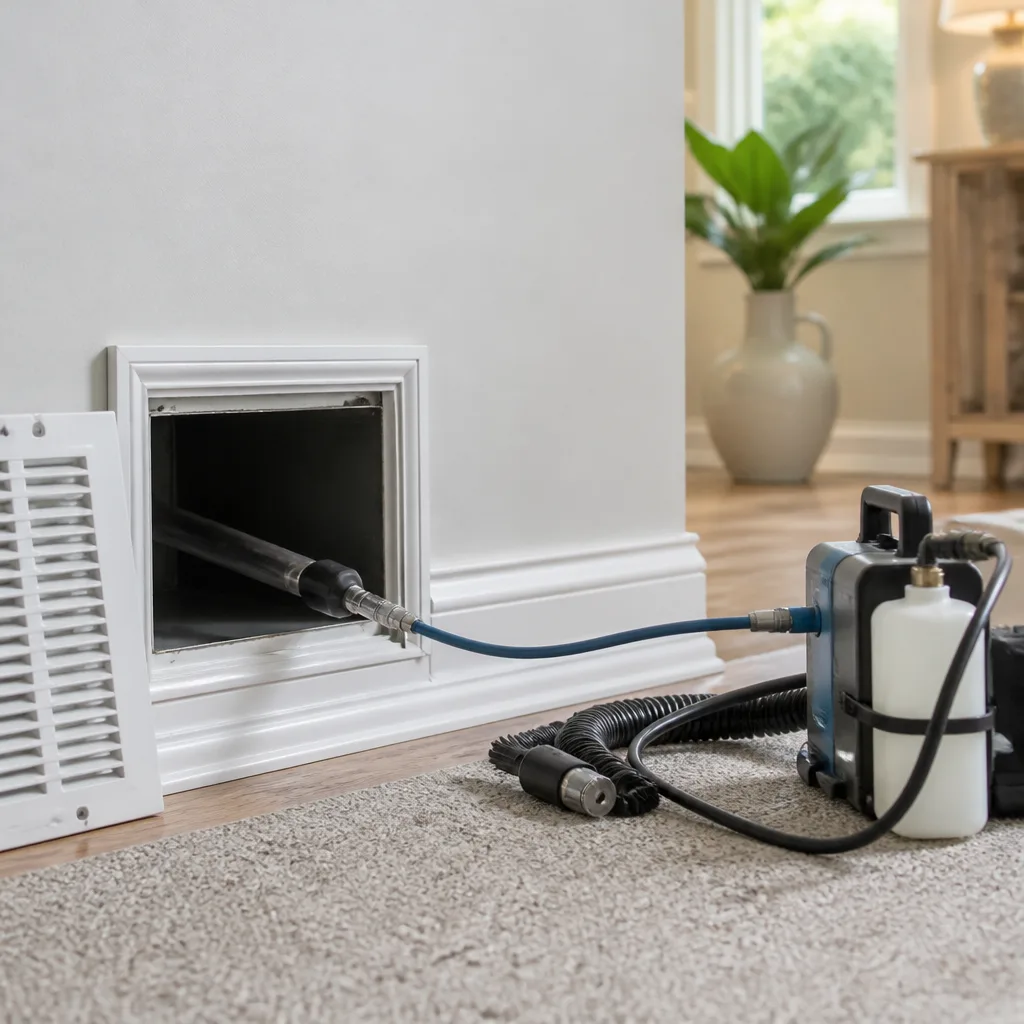 Sanitizing & deodorizing
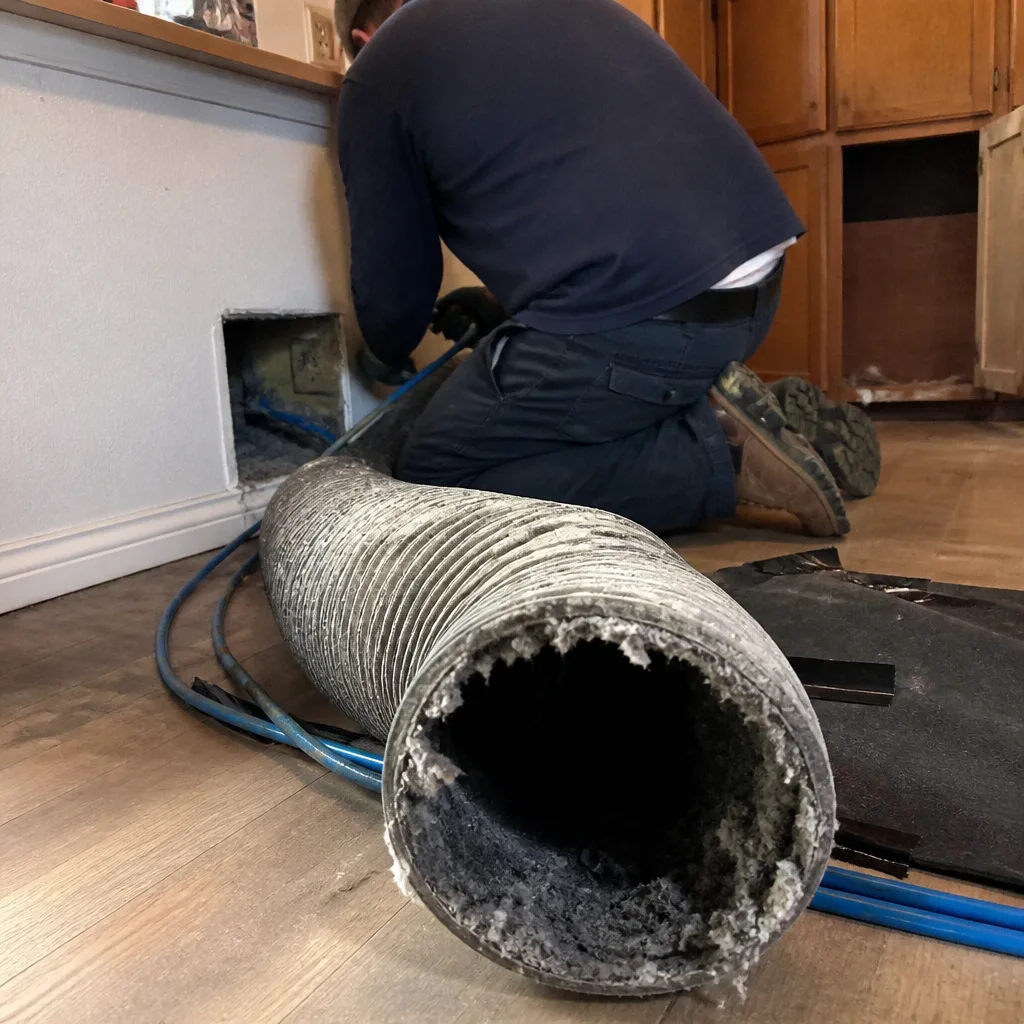
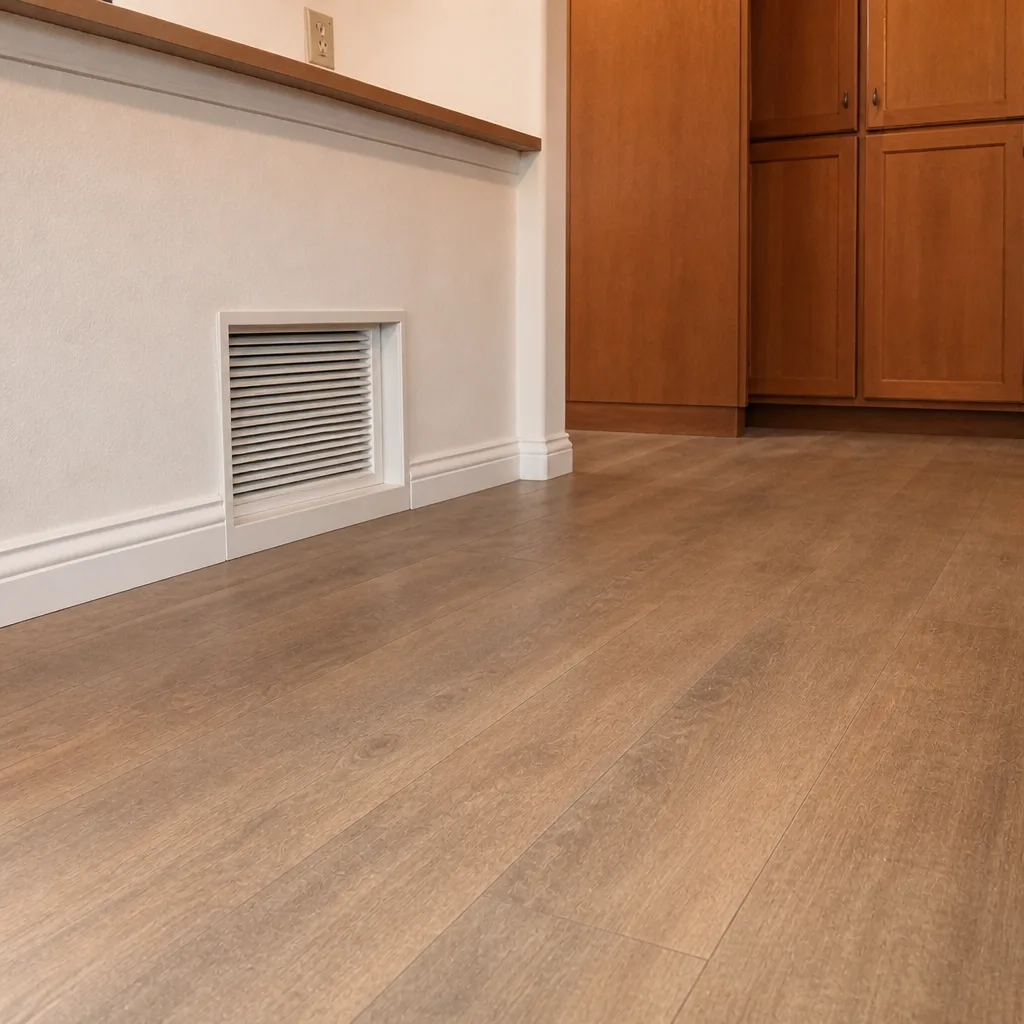
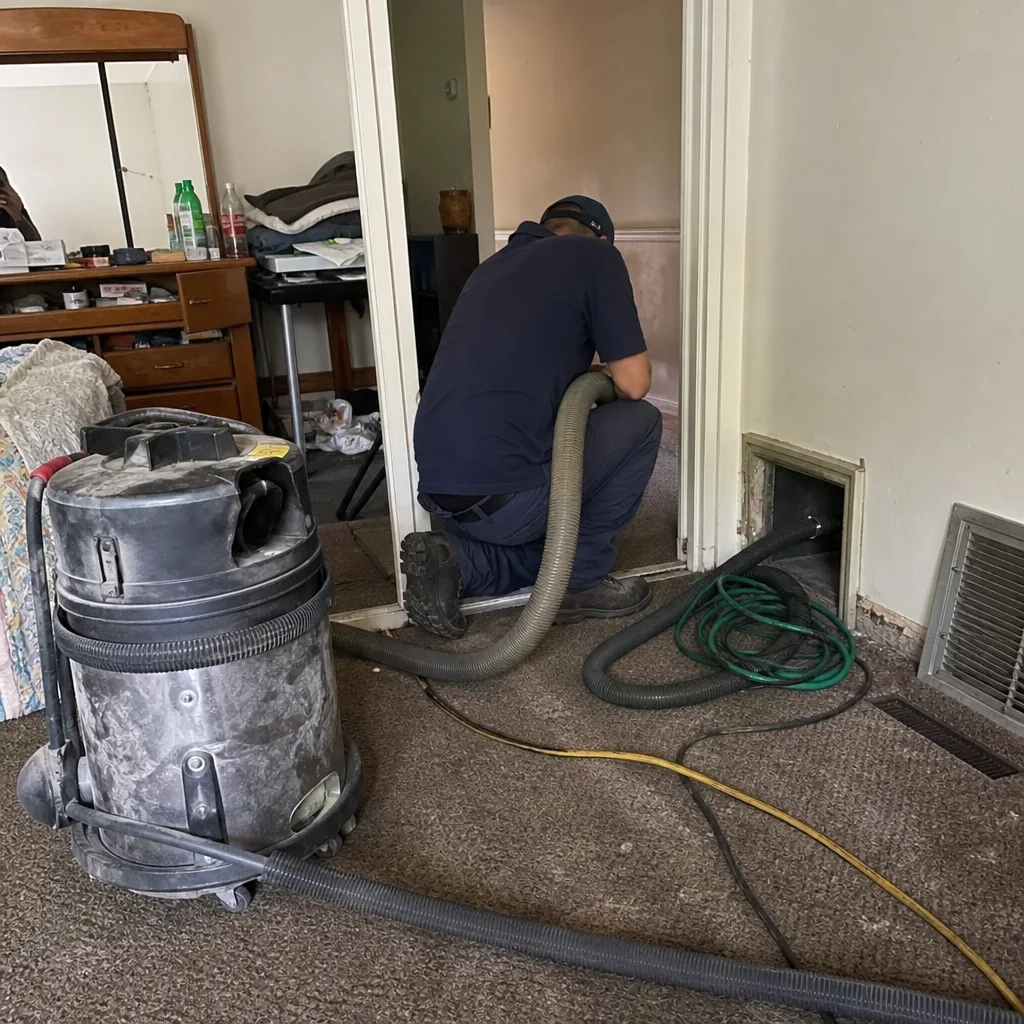
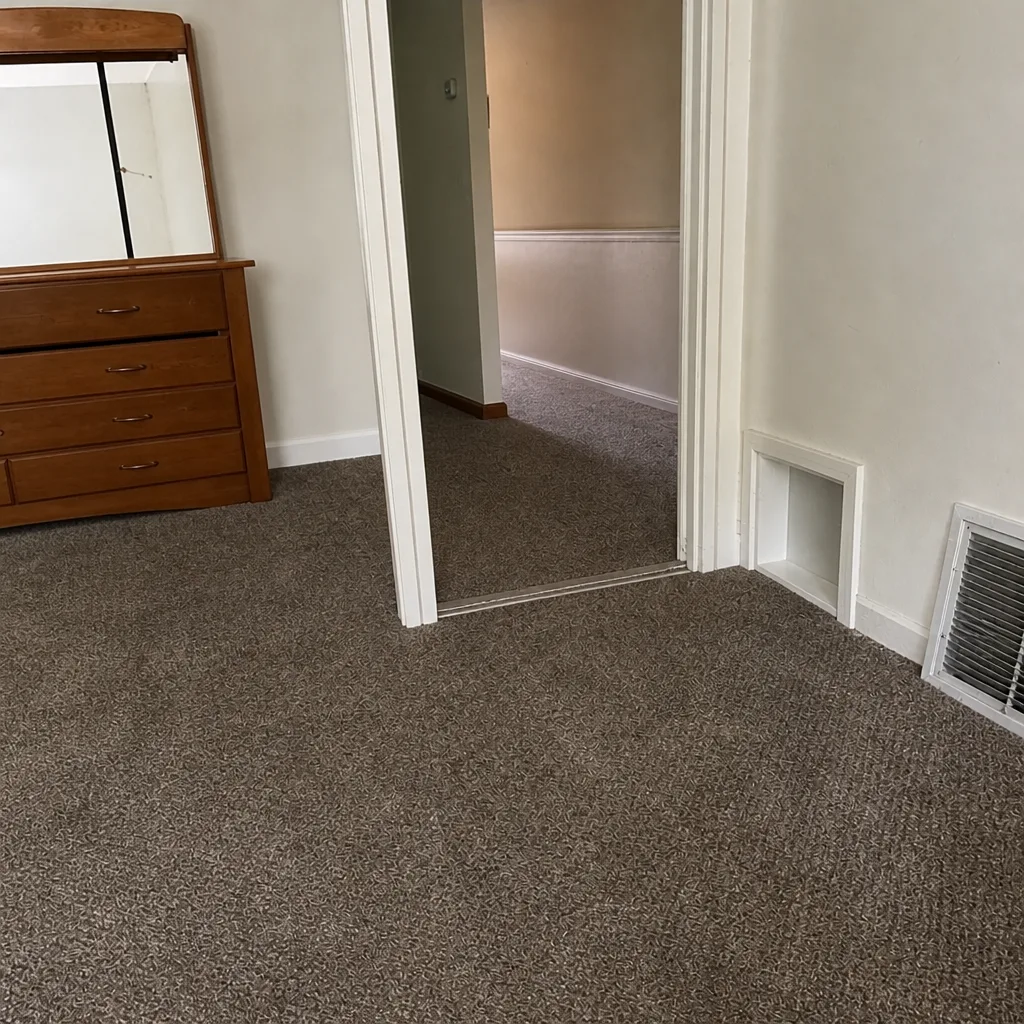
Whole-system duct and dryer vent check with before-and-after photos - you see exactly what came out of your vents
That "$99 whole-house special" is a bait ad - the real number appears once they are in your hallway, or the "clean" is a shop-vac at the register. We photograph the inside of your ducts before and after instead.
DIY vs Professional Air Duct Cleaning: The San Leandro Homeowner’s Decision Guide
Most DIY air duct cleaning guides spend their time telling you which brush attachment to buy and how to reach the register with your shop vac. What none of them mention is the physics problem: when you push a vacuum hose into a duct, the machine’s exhaust creates positive pressure inside that confined metal space. Instead of extracting debris, you’re often pushing it deeper into the system, toward the main trunk line and right back into your air stream when the HVAC kicks on. In San Leandro, where windows stay shut through hot valley afternoons and the furnace cycles through damp winter mornings, your ducts are the lungs of the house. This guide will walk you through what DIY can actually accomplish, where it structurally fails, and how to decide when the professional-grade equipment matters.
Quick Answer
DIY duct cleaning in San Leandro is realistic for the first 12 to 18 inches of visible register openings, which addresses roughly 15% of total duct surface area. Professional cleaning uses negative-pressure source removal with truck-mounted or portable HEPA systems that create suction across the entire duct network, pulling debris out rather than pushing it around. If your system hasn’t been touched in five years, you’ve renovated, or you’ve seen rodent evidence, DIY won’t get you close to what the job requires.
Table of Contents
- The Physics Problem: Why a Shop Vac Works Against You
- What DIY Actually Accomplishes (And What It’s Good For)
- Equipment Compared Honestly: Consumer, Rental, and Professional
- When Professional Cleaning Is Non-Negotiable
- The Hybrid Approach: What to Do Between Professional Cleanings
- What Does Professional Duct Cleaning Cost in San Leandro?
- The Repair Gap: Why Cleaning Reveals Problems, and Who Fixes Them
- San Leandro-Specific Factors That Change the Math
The Physics Problem: Why a Shop Vac Works Against You
The core issue isn’t effort or diligence. It’s air pressure. Air duct cleaning done properly relies on negative pressure: a powerful vacuum creates suction at one end of the system while agitation tools loosen debris at the other, and the pressure differential draws everything toward the collection point. When you insert a shop vac hose into a register, you’re working with a few inches of reach and an exhaust stream that vents right back into the room or, worse, into the duct itself.
Here’s what happens in practice. You open a floor register in a San Leandro living room. You get your vacuum hose in six, maybe ten inches. You hear the motor working. But the hose is now occupying space inside the duct, and the machine is blowing its exhaust air somewhere. In many configurations, that exhaust pressurizes the duct cavity behind the hose. Dust, pet dander, and fine particulate that was resting in the duct gets stirred and pushed backward, deeper into the branch line, toward the main trunk. Then the furnace blower picks it up on the next cycle and sends it out through your supply registers.
Professional extraction works in the opposite direction. A Nikro HEPA-vacuum rig, for instance, connects to the main trunk and pulls air through the entire duct network while a rotary brush agitates the interior walls. The negative pressure at the collection point means dislodged debris travels toward the vacuum, not away from it. Debris exits the system and lands in a sealed HEPA-filtered chamber. Nothing gets blown back into the house.
This isn’t a subtle difference. It’s the mechanical distinction between cleaning and rearranging. In our experience, homeowners who’ve attempted a thorough DIY pass are often surprised at what a professional pass still extracts, particularly from the main trunk lines and return ducts that no household tool ever reaches.
San Leandro hillside homes and flatland ranchers share a common trait: long duct runs. The longer the run from furnace to register, the more surface area, the more corners, and the more opportunities for debris to settle where you can’t see or reach it. A shop vac handles the register boot. That’s it.
What DIY Actually Accomplishes (And What It’s Good For)
We don’t want to be the company that tells you to keep your hands off everything. That’s not honest, and it doesn’t respect what a capable homeowner can do. DIY maintenance genuinely helps, and it can extend the interval between professional cleanings if you stay consistent.
Here’s the realistic DIY list, in order of usefulness:
- Register and grille cleaning. Remove each supply and return cover. Vacuum them, wash them in warm soapy water, dry them completely, and reinstall. San Leandro summers coat these with dust. Clean registers improve airflow and reduce the visible dust on walls near openings.
- Boot and first-turn cleaning. With the register cover off, you can reach into the metal boot where the duct begins. A good shop vac with a narrow crevice tool gets the first 12 to 18 inches. Do this with the furnace OFF so the blower isn’t actively circulating air behind you.
- Filter replacement. Check your filter monthly. Swap it when it’s visibly dirty. Homes with Honeywell or Aprilaire whole-home air quality systems may use 4-inch media filters that need replacement every 6 to 12 months, not monthly, but you should still look at them regularly.
- Supply-side visual inspection. With registers off, shine a good flashlight into the opening. You’re looking for visible dust accumulation on flat surfaces, rodent droppings, or disconnected sections. A phone camera on video mode is a better tool than a mirror.
- Return grille maintenance. Return grilles collect more dust than supply registers because air is moving inward. Clean these more often, especially if you have pets.
None of this is wasted effort. Clean registers and a fresh filter genuinely improve HVAC performance. But understand the boundary: everything above addresses roughly the first 15% of the system’s interior surface. The remaining 85% – branch lines running between floors, main trunk lines, transition boxes, return chases – stays untouched. We’ve yet to meet a homeowner with a 20-foot articulating inspection camera, and even that wouldn’t clean anything.
DIY register maintenance is the complement to professional cleaning, not the substitute for it. Think of it like dental care: you brush and floss daily, and you still see a hygienist. You don’t skip the hygienist because you brush.
Equipment Compared Honestly: Consumer, Rental, and Professional
Let’s talk tools, because a lot of the DIY-versus-pro debate gets fuzzy when people start throwing around machine names without context. The question isn’t what a machine costs on a shelf. It’s what it can actually do inside a duct, and whether you can operate it correctly without training.
Consumer-Grade Shop Vac: The Baseline
Cost: $60 to $250 for anything with a hose long enough to matter. Realistic capability: six to eighteen inches of duct from each register. What it cannot do: reach the main trunk, remove caked-on debris from duct walls, or filter fine particulate once it’s actually airborne in the duct stream. A standard shop vac filter catches large particles and releases the fine stuff back into the room. HEPA conversion kits exist, but the suction power and hose length still leave you with the same 18-inch reality.
Rental Equipment: The Theoretical Middle Ground
Some homeowners ask about renting a rotary brush system. Here’s the honest version. Equipment rental yards occasionally offer duct cleaning machines, and the daily rates are lower than a professional cleaning. But these units are typically consumer-class machines with less suction than professional rigs, and you’re still facing the same structural problem: access. Duct cleaning requires cutting access ports into the main trunk line in most residential installations, then sealing them properly afterward. That’s sheet metal work. It’s not dangerous, but doing it incorrectly creates leaks that waste heated and cooled air. Add in the training needed to operate a rotary brush without damaging flex duct or interior insulation, and the rental option stops being a cost-saver once something goes wrong.
Professional Systems: What Rotobrush and Nikro Actually Mean
A Rotobrush rotary brush system spins a brush inside the duct while simultaneously vacuuming at the point of contact. This is mechanical agitation plus immediate extraction, not just airflow. Nikro rigs, by contrast, are built around powerful HEPA filtration and negative-pressure collection at a single point, with separate agitation tools working through access holes. Abatement Technologies air-scrubbing units go a step further: they’re designed for environments with airborne contamination, capable of scrubbing the air in the living space while the ducts are being cleaned.
These are commercial-grade tools. They cost tens of thousands of dollars. They require training, access to the right access ports, and experience with different duct configurations. The reason a homeowner shouldn’t rent one isn’t just cost. It’s that the machine alone doesn’t make the service work. Knowing where to access the duct, how to agitate each section, how to verify the result, and how to seal everything properly does.
And here’s something most comparison articles skip: professional equipment creates a different outcome, not just a faster one. A Rotobrush system dislodges and removes debris in the same pass. The consumer approach dislodges without removing, or removes a tiny fraction of what it dislodges. The work looks similar from outside: a machine runs, noise happens, dust disappears from the visible opening. The result is entirely different.
When Professional Cleaning Is Non-Negotiable
Most of the time, the DIY-versus-pro decision is a question of depth and thoroughness. But certain situations make professional cleaning the only responsible choice, not just the better one.
- Post-renovation debris. Remodeling in San Leandro, whether it’s a kitchen gut or a full addition, fills the entire house with drywall dust. That fine dust goes everywhere, including into return registers and supply lines. It’s abrasive, it’s alkaline, and it settles deep in the duct system. You cannot retrieve it with a shop vac. Professional cleaning with HEPA extraction is the only way to get it out before it cycles through the living space for months.
- Rodent or pest evidence. Droppings in or near registers are a signal the duct system has been used as a highway. This is a health issue, and it usually involves parts of the system you can’t see. Cleaning needs to address the whole path, and the waste needs to be removed under controlled conditions, not stirred up into the living space.
- Water or moisture evidence. Stained registers, musty smells when the system runs, or visible rust on accessible duct sections suggest moisture inside the ducts. That environment supports mold growth, and mold remediation in a duct system requires professional equipment. Abatement Technologies air scrubbers are built for exactly this scenario: they manage airborne contamination in the living space while the ductwork is being addressed.
- Five or more years since the last cleaning. The National Air Duct Cleaners Association recommends cleaning residential systems every three to five years, more often with pets, allergy sufferers, or recent renovation. If your San Leandro home has gone a decade, the accumulation has moved past “dusty” into “impacting airflow,” and the right fix is a full-system cleaning by someone with the right extraction equipment.
- You’re buying or selling a home. A duct system that hasn’t been professionally inspected is an unknown in a transaction. Sellers who clean and repair the system before listing remove a negotiation point. Buyers who clean after closing start with a known baseline for air quality.
None of these scenarios is a case where “more effort” at the register level changes the outcome. The contamination is deeper than the tools can reach, and in the case of rodent or moisture issues, DIY disturbance can make it worse by liberating particles into the air you breathe during the attempt.
The Hybrid Approach: What to Do Between Professional Cleanings
The most useful answer to “DIY or professional?” is often “both, in sequence.” Professional cleaning restores the full system to a known-clean state. A simple DIY routine between professional visits keeps it cleaner, longer, and can stretch the interval from, say, three years to five in a home without pets or asthma.
Here’s a sustainable routine for a San Leandro homeowner:
- Monthly: Check your filter. If it catches light and looks like a dirty sock, replace it. Note the date on the filter frame with a permanent marker.
- Quarterly: Remove and wash supply and return registers. Vacuum the visible boot area to the depth of your shop vac hose. This keeps the first foot of each run clear.
- Every six months: If you have a Honeywell or Aprilaire whole-home air purification system, verify the system is running and check any indicator lights or filter status displays. A whole-home purification system that’s off does zero work, and we see them switched off more often than people realize.
- Annually: Walk every room with the system running. Feel for weak airflow at specific registers. If one room has noticeably less air than others, something is blocking the run or the duct has come apart. Weak airflow is often a duct repair issue, not a cleaning issue.
- Every 3 to 5 years: Schedule a full professional cleaning. If you’ve renovated during that window, move to the shorter end of the interval and schedule it right after the construction is finished.
This routine won’t replace professional work, but it will do something valuable in its own right: it forces you to look at your system regularly. Most duct problems go undetected for years because no one ever looks. The homeowner who cleans registers quarterly catches issues before they compound.
What Does Professional Duct Cleaning Cost in San Leandro?
San Leandro pricing for professional air duct cleaning typically runs between $400 and $800 for a standard single-family home, depending on the number of systems, the total register count, and the level of contamination. Larger homes, multi-story layouts with long duct runs, and systems that have gone a decade without service land at the top of the range. Light commercial spaces in San Leandro’s industrial corridors work on a different square-footage-based model.
| Service | Typical Range | What Affects Price |
|---|---|---|
| Standard residential duct cleaning | $400 – $800 | Number of systems, register count, accessibility |
| Heavy contamination or post-renovation | $700 – $1,200 | Debris volume, added time, air scrubbing during work |
| Dryer vent cleaning | $150 – $300 | Vent length, roof access, blockage severity |
| Air duct repair (per repair point) | Varies by scope | Disconnected runs, crushed flex, leaking joints |
These are honest ranges, not teaser prices. In this industry, you’ll see quotes as low as $99 for a “whole house” cleaning. What that price buys is usually one technician, one hour, and a rotating brush on the end of a shop vac, doing the same partial-access work you could do yourself. A real cleaning requires access ports, negative-pressure extraction at the trunk, agitation of every branch line, and enough time to actually do it. That’s not a $99 job.
The other variable worth knowing about: repair work. Cleaning frequently reveals issues. A duct might be disconnected at a joint, crushed in a crawl space, or torn in a flexible section. Most cleaning companies discover these problems and refer you to an HVAC contractor. Duct Cleaning San Leandro handles the repair on the same visit, which changes the math for homeowners who’d otherwise be scheduling a second company and paying a second dispatch.
For an exact number on your system, call (855) 356-5880. We answer 24/7. Fast dispatch from 7am to 7pm, Sunday through Friday. Estimates are free, and the written estimate is the price for the job.
The Repair Gap: Why Cleaning Reveals Problems, and Who Fixes Them
Here’s a scenario that comes up consistently in San Leandro homes built in the 1950s and 1960s: the ducts were installed in the original construction, the house has had three owners since, and someone’s run network cable or plumbing through the same spaces. Over decades, duct sections get bumped, disconnected, or crushed. The system loses conditioned air into the crawl space or wall cavities, and the homeowner pays to heat and cool spaces no one lives in.
Cleaning exposes these failures. When a rotary brush reaches a disconnected joint, it finds it because the section shifts. When negative pressure pulls through the return, a leaking joint hisses. But most cleaning-only companies will note the issue and leave it. That’s not incompetence. It’s a business scope decision. They clean ducts. They don’t repair them.
Dryer vent cleaning carries the same dynamic. A vent that hasn’t been cleaned in years often has a lint blockage at a bend or termination point. Cleaning removes it. But if the vent pipe is cracked, disconnected, or made of the wrong material, the clog comes back. The fire risk doesn’t stay addressed. NFPA standards flag dryer vent blockages as a leading cause of residential dryer fires, and half-fixing the problem doesn’t remove the hazard.
The advantage of working with a company that cleans and repairs is simple: one visit handles the entire problem. The technician finds the disconnected duct, cleans the full system, patches or replaces the bad section, and verifies airflow at the register. You don’t schedule a second contractor, don’t wait another week, and don’t pay a second service call. For a San Leandro homeowner whose ducts have been ignored for years, that one-visit capability is often the difference between a chronic problem and a solved one.
San Leandro-Specific Factors That Change the Math
Every city has conditions that shape the dust load in its homes. San Leandro sits at the edge of the East Bay’s inland air basin. The climate is mild by Bay Area standards, with summer afternoons that push homeowners toward closed windows and air conditioning, and winter mornings that cycle the furnace. The air outside carries particulate from freeway traffic along I-880 and 580, from industrial activity along the shoreline corridor, and from the region’s seasonal pollen cycles.
What this means for ductwork: systems in San Leandro collect a mix that is finer and more persistent than the lint-heavy load you’d see in a cooler coastal climate or a rural setting. Fine particulate settles into duct interiors, and because the HVAC system cycles across the year with only short true resting periods, whatever is in the ducts spends all year recirculating through the living space.
Housing stock matters too. San Leandro has a significant inventory of post-war ranchers and mid-century builds where the original ducting is metal and often still functional, but frequently under-insulated. Crawl space ducts deal with temperature differentials that can create condensation on the outside of the metal. That moisture attracts dust and, over time, builds a film inside the duct that resists simple air movement cleaning. Agitation-based cleaning with a rotary system is the practical way to remove it.
Newer construction and renovated homes in the hillside neighborhoods have a different profile: flex duct, tighter building envelopes, and a heavier reliance on mechanical air exchange because the house holds heat and doesn’t leak the way a 1960s rancher does. Flex duct can’t be aggressively brushed the way metal can. The cleaning process has to account for that, and it’s one more reason equipment and experience matter more than effort.
Common Mistakes to Avoid
- Buying the biggest shop vac and calling the job done. More horsepower doesn’t fix the access problem. You’re still working through a register opening, and more suction through the same opening mostly just makes the noise louder.
- Cleaning with the furnace running. The blower is actively moving air through the ducts while you’re working. Anything you dislodge goes straight back into the room. Turn the system off at the thermostat before you start.
- Ignoring the return side. Homeowners almost always focus on supply registers because that’s where dust blows out. But the return side handles all the air entering the system, and in San Leandro homes with a single large return, it’s often the dustiest part of the entire network.
- Using household cleaning chemicals in ducts. You don’t need chemicals to clean a duct, and most household cleaners leave residues that become airborne later. Mechanical cleaning with agitation and extraction does the work. Anything beyond that needs professional judgment.
- Poking into ducts with improvised tools. Coathangers, broom handles, leaf blowers – all of these have done more damage to ductwork than they’ve ever cleaned. A torn flex duct or a punctured trunk line costs more to fix than a cleaning costs.
- Assuming a musty smell is just dirty ducts. That smell is usually moisture, and moisture supports mold. Cleaning might make the smell go away temporarily, but if the moisture source isn’t addressed, it comes back. This is a repair issue first, a cleaning issue second.
- Treating the $99 coupon as the actual price. The duct cleaning industry has a well-earned reputation for bait-and-switch pricing. A low teaser rate for a “whole-house” cleaning almost never covers what a real job costs, and the upcharges start when the van is in your driveway. Get a written estimate with a defined scope before anyone starts work.
When to Call a Professional
Call a professional when the scope of the problem exceeds your tools, which is to say: any time contamination sits beyond 18 inches from a register opening. That covers post-renovation debris, rodent evidence, moisture staining, musty odors that persist after filter changes, systems that haven’t been cleaned in five years or more, and any home where allergy symptoms spike when the HVAC runs. If you see weak airflow at specific registers, that’s usually a repair issue, and most cleaning-only companies won’t fix it. Duct Cleaning San Leandro offers free estimates in San Leandro – call (855) 356-5880. We answer 24/7. Fast dispatch from 7am to 7pm, Sunday through Friday.
Frequently Asked Questions
Yes, for what it does: register cleaning, filter replacement, and first-foot boot maintenance. It’s real work with real benefits, but it addresses about 15% of the system’s interior surface. If your ducts haven’t been professionally cleaned in years, DIY effort won’t offset that.
Most single-family homes in San Leandro run between $400 and $800 for a standard professional cleaning. Homes with multiple systems, heavy contamination, or post-renovation debris land higher. Call (855) 356-5880 for a free written estimate.
Lower quotes usually reflect a smaller scope: one technician, a consumer-grade vacuum, and a brush through the visible register openings. That’s not a full-system cleaning. The written estimate should specify access ports, negative-pressure extraction at the trunk, and covered register count. If it doesn’t, the price isn’t honest.
Before-and-after photos of the duct interior, taken through access ports, are the single best verification. Any professional cleaner should be willing to show you what the ducts looked like and what they look like after. If they won’t, you’ve learned everything you need.
Every three to five years for standard households. Homes with pets, allergy sufferers, recent remodeling, or a decade of neglect need it more often. Between professional visits, the DIY routine of register cleaning and filter replacement extends the interval.
Only if the company also does duct repair. Most cleaning companies discover the problem and refer you elsewhere. Duct Cleaning San Leandro provides air duct repair on the same visit, so a damaged or disconnected section doesn’t require a second contractor and a second service call.
The Bottom Line
The DIY-versus-professional question isn’t a clean either-or. DIY register care is legitimate maintenance that keeps visible openings clean and catches early problems. Professional cleaning is the only way to address the full duct network with negative-pressure extraction that actually removes debris from the system. In San Leandro, where homes range from 60-year-old ranchers to new hillside construction, the variables are too many for a one-size answer. The honest version: do the monthly and quarterly DIY tasks as maintenance, budget for professional cleaning every few years, and call in the equipment-serious pros when renovation dust, rodent evidence, moisture, or years of neglect push the job beyond what a shop vac can reach.
Written by the team at Duct Cleaning San Leandro, serving San Leandro since 2018.
Styles & brands we work with
- Whole-home duct cleaning
- Dryer vent cleaning
- Camera inspection
- Sanitizing & deodorizing
See the difference
 Before
 After
 Before
 After
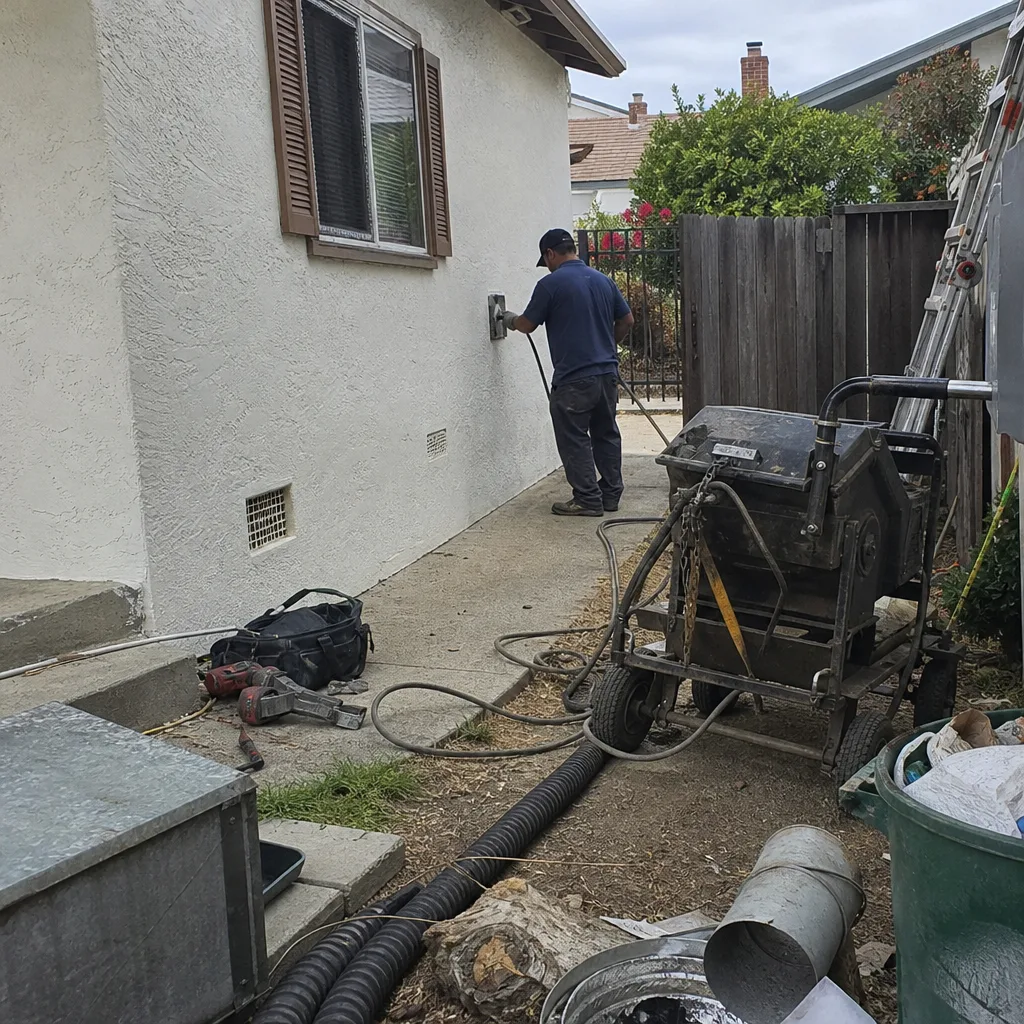 Before
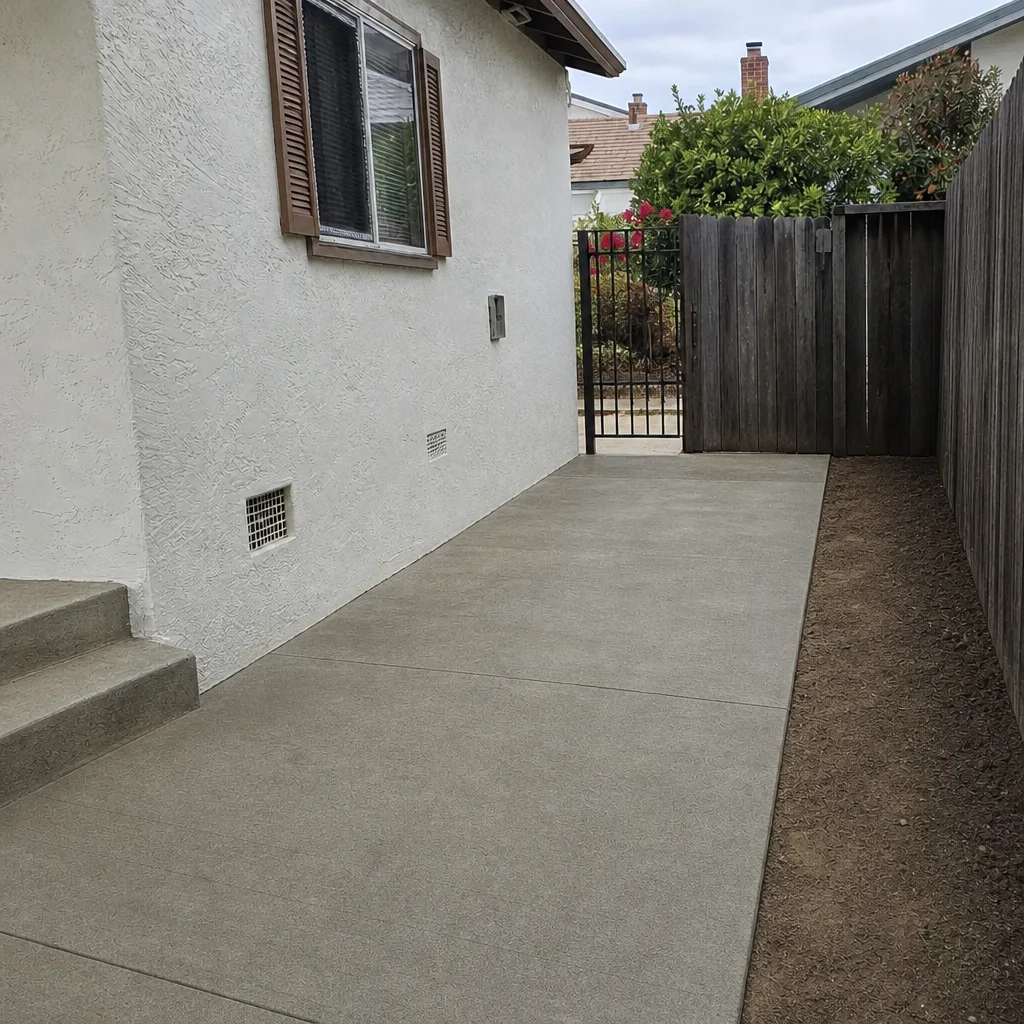 After