
Last updated November 5, 2026
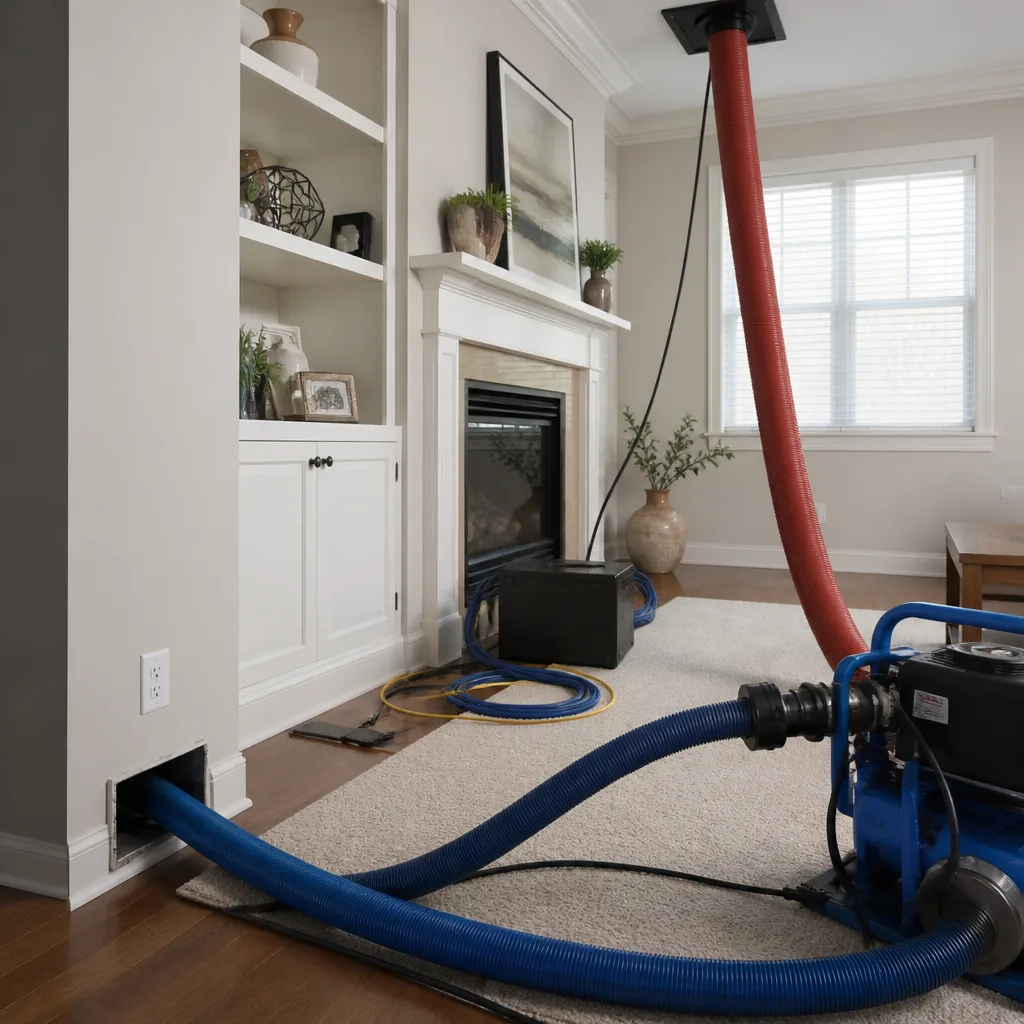 Whole-home duct cleaning
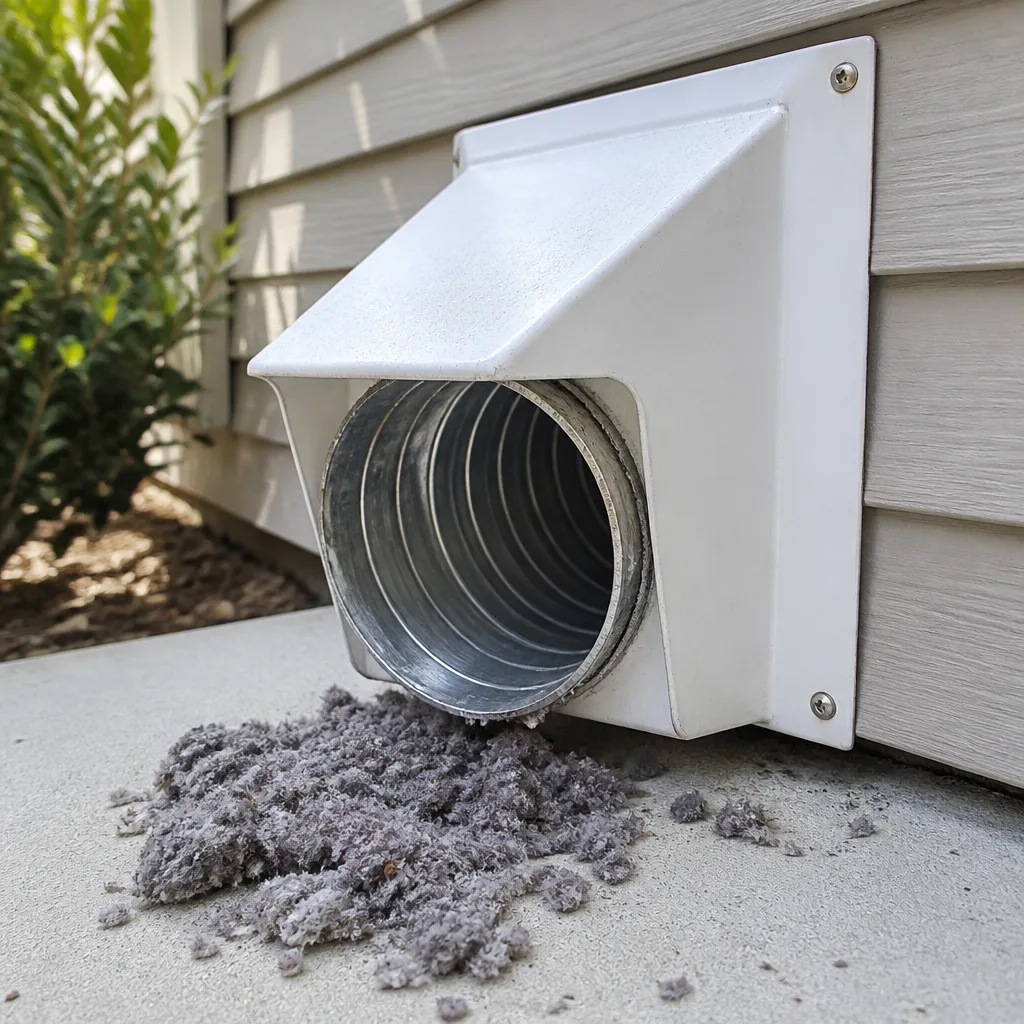 Dryer vent cleaning
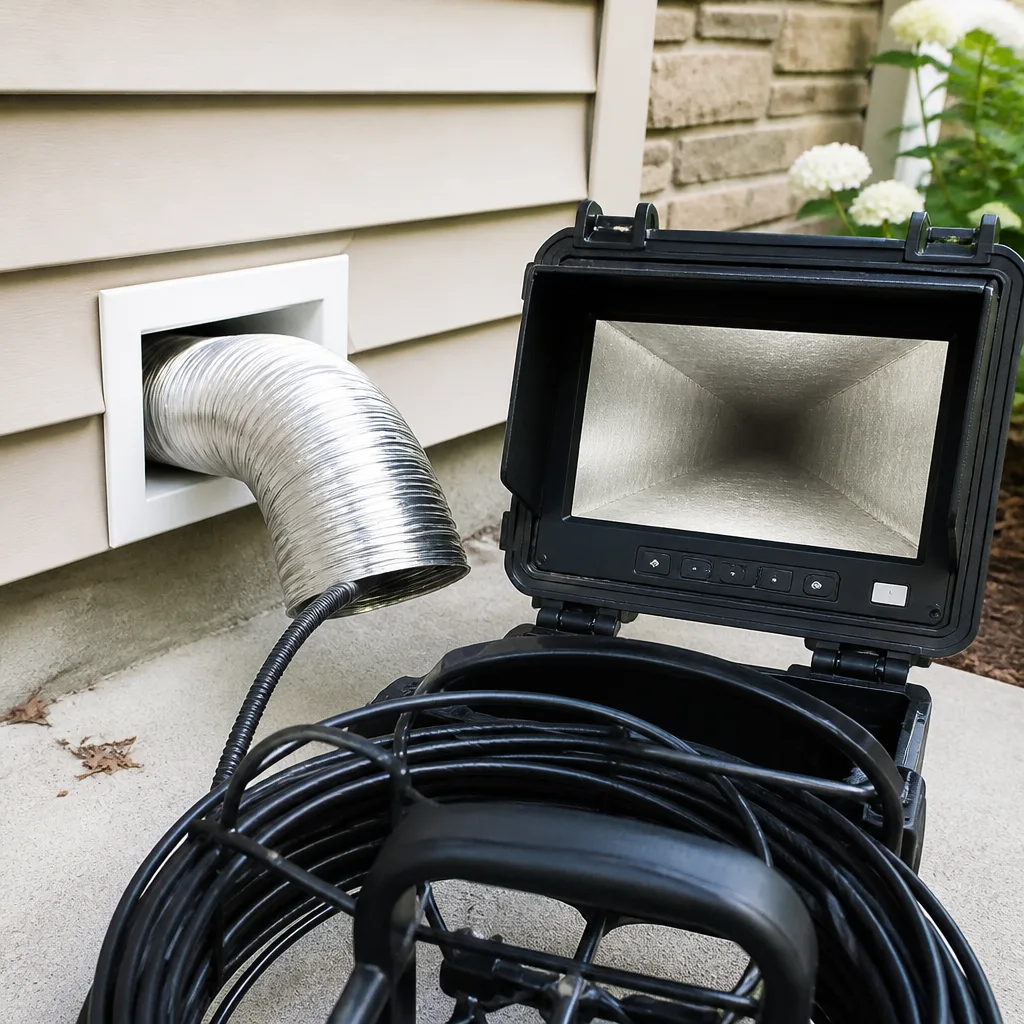 Camera inspection
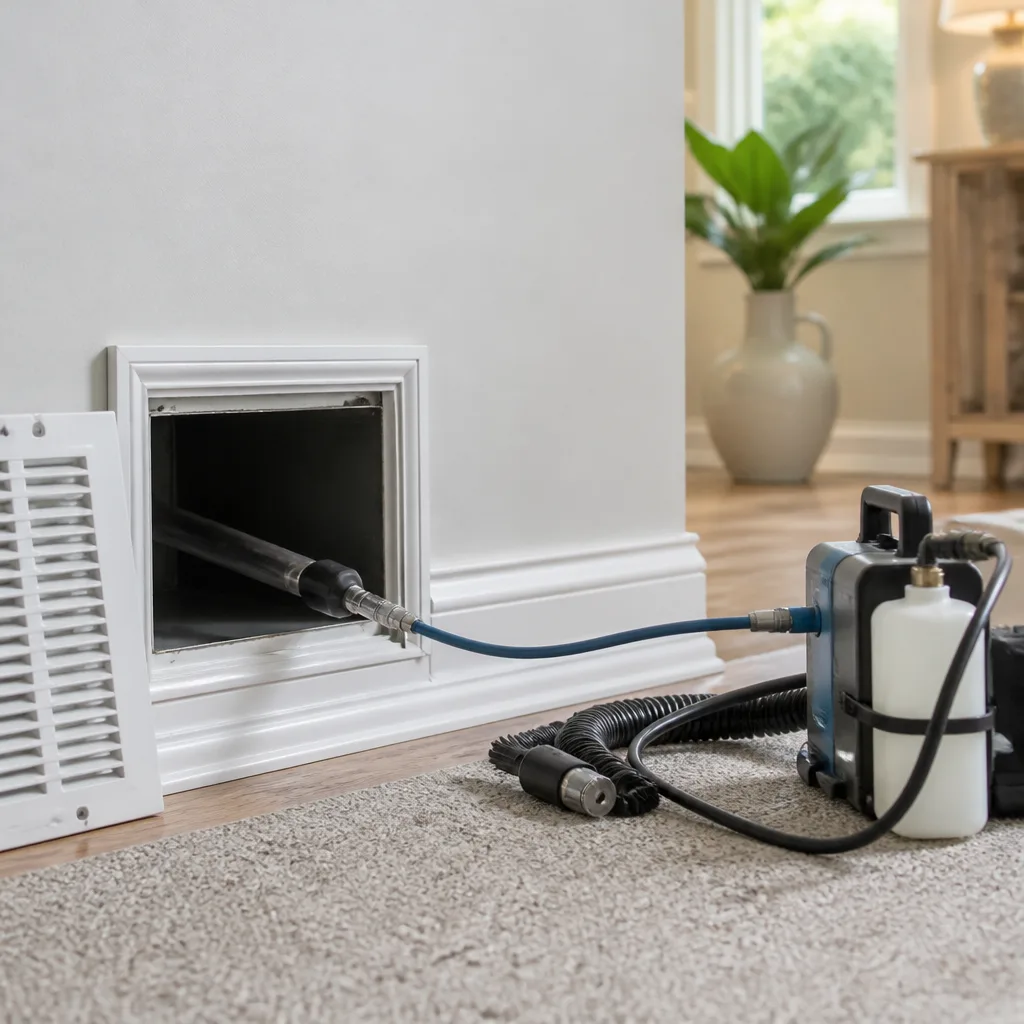 Sanitizing & deodorizing
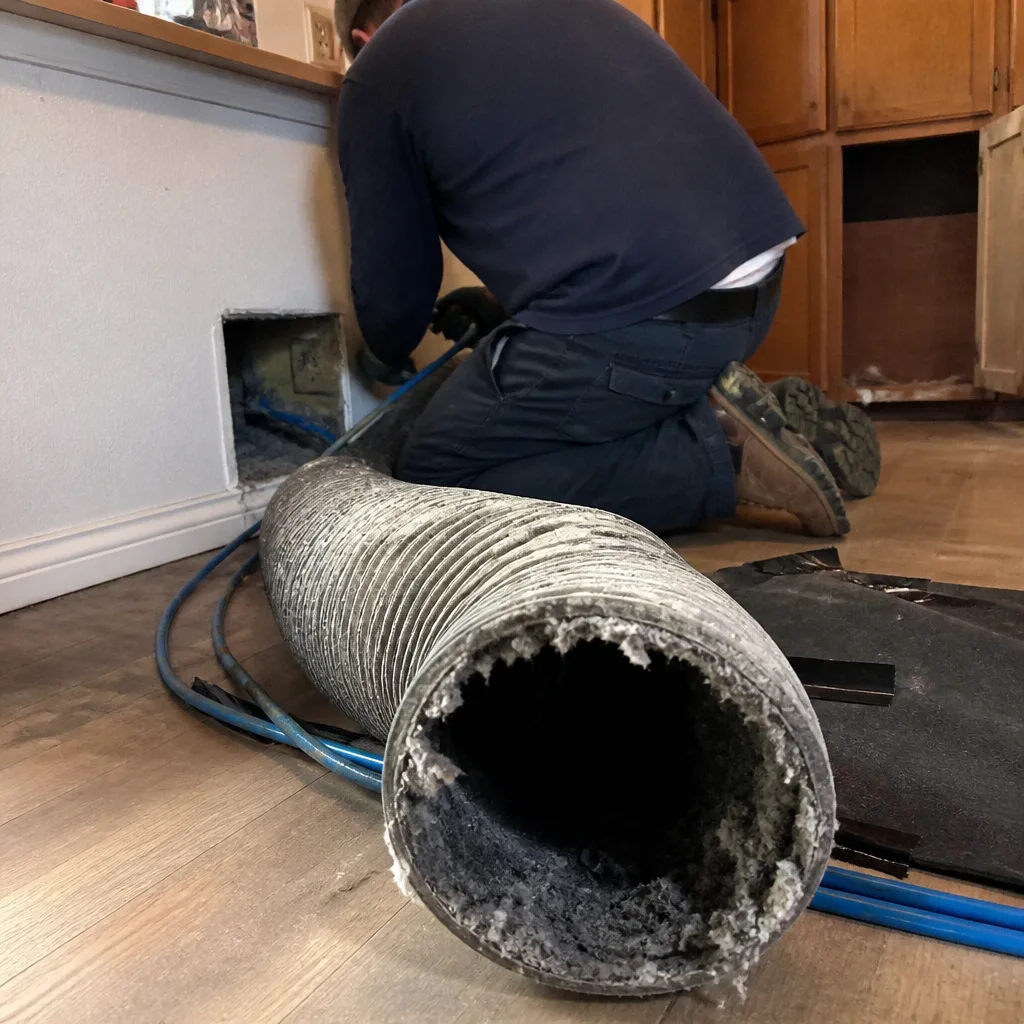
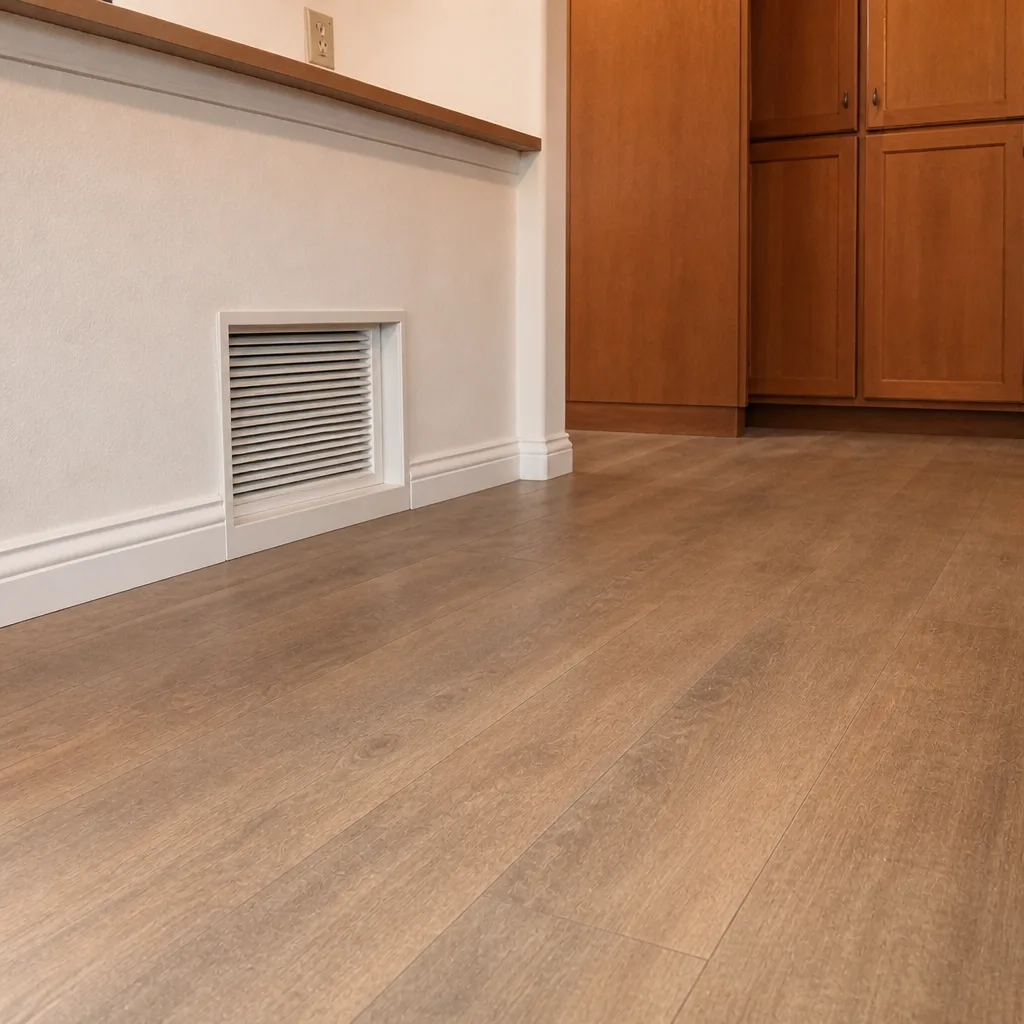
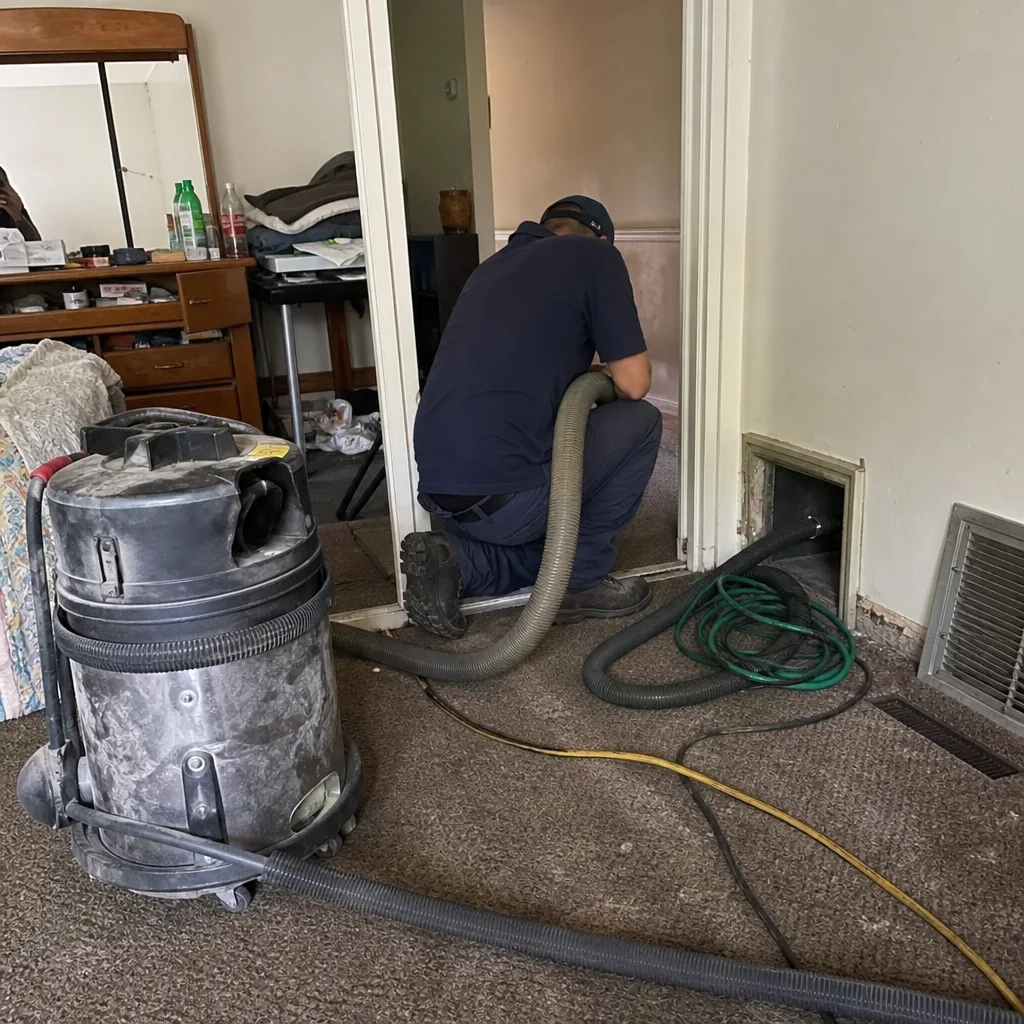
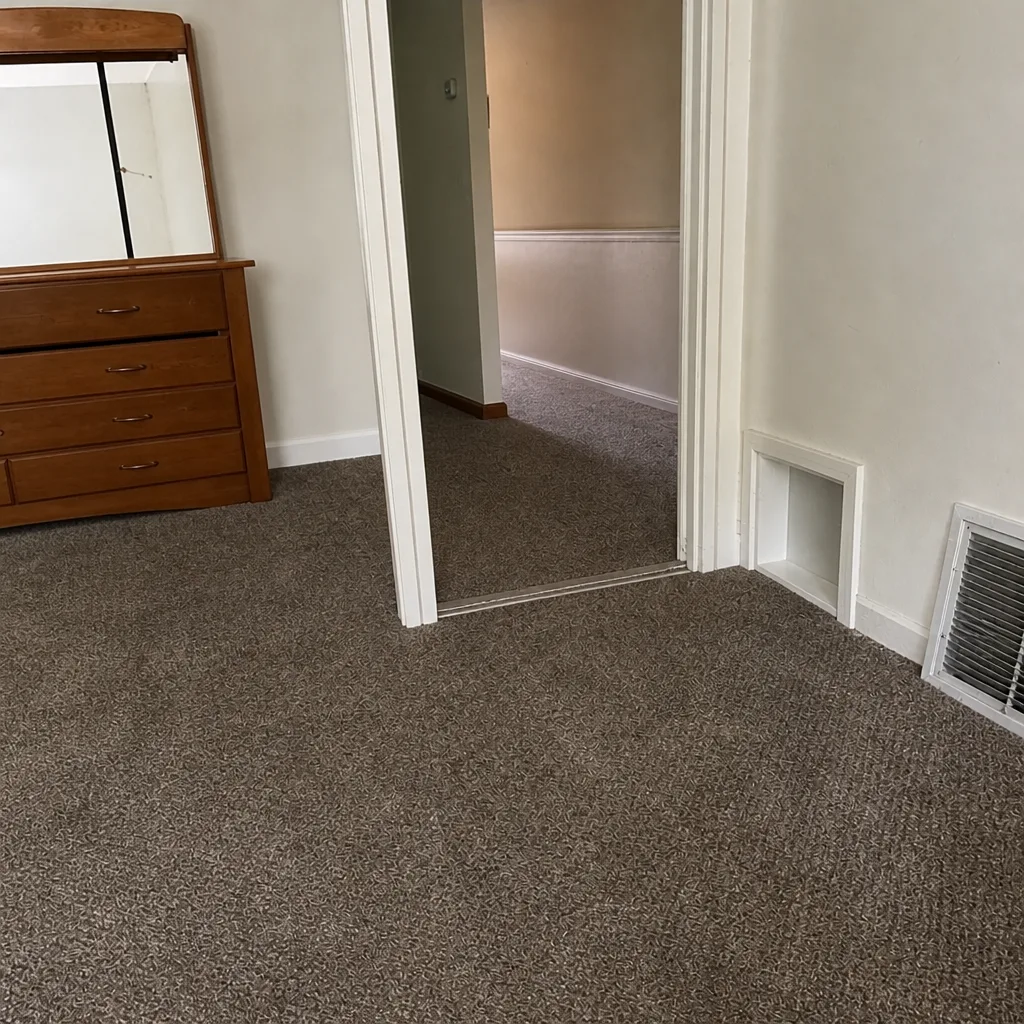
Whole-system duct and dryer vent check with before-and-after photos - you see exactly what came out of your vents
That "$99 whole-house special" is a bait ad - the real number appears once they are in your hallway, or the "clean" is a shop-vac at the register. We photograph the inside of your ducts before and after instead.
The Complete Guide to Air Duct Cleaning in San Leandro
The EPA estimates the average home’s duct system leaks 20 to 30 percent of conditioned air before it reaches a single room. Read that again. You could spend money cleaning spotless ducts and still pull recycled crawlspace air through gaps in the ductwork every time the blower kicks on. Most San Leandro homeowners don’t have dirty ducts so much as damaged ducts that make cleaning pointless until the leaks are fixed first. This guide explains why duct integrity comes before duct cleaning, what professional equipment actually does inside your system, and how San Leandro’s specific micro-climate changes the math on how often you should schedule service.
Quick Answer
Air duct cleaning in San Leandro means two things: assessing the ductwork for leaks and disconnections first, then removing accumulated dust, debris, and biological growth from the interior surfaces. A proper cleaning uses negative-pressure source removal with professional equipment like Rotobrush rotary brush systems and Nikro HEPA-vacuum rigs, not a shop vac. The job should include a post-cleaning verification showing what was removed and confirming the ducts are sealed and intact.
Styles & brands we work with
- Whole-home duct cleaning
- Dryer vent cleaning
- Camera inspection
- Sanitizing & deodorizing
Table of Contents
- Why Duct Integrity Comes Before Cleaning
- How San Leandro’s Climate Affects Your Ducts
- Contact Vacuum vs. Negative-Pressure Source Removal
- What Professional-Grade Equipment Actually Does
- How to Read a Post-Cleaning Verification
- Why Duct Repair Should Happen on the Same Visit
- Dryer Vent Cleaning Is a Fire-Safety Issue, Not an Upsell
- How Often Does Duct Cleaning Really Need to Happen in San Leandro?
Why Duct Integrity Comes Before Cleaning
Here’s the uncomfortable truth most duct cleaning companies won’t tell you: cleaning a leaking duct system is like mopping a floor while a window is open during a dust storm. You’ll get the surfaces clean for a few days, and then the gaps in the ductwork pull in whatever is lurking in the crawlspace, the wall cavities, or the attic. Within weeks, the system looks like you never touched it.
Duct systems in San Leandro homes run through a mix of unconditioned spaces. Older houses from the 1950s and 1960s often have sheet metal ducts with taped seams that have dried out and separated. Newer construction may use flexible duct that sags between supports, pulling joints apart. Either way, leaks happen. The average system loses 20 to 30 percent of conditioned air through gaps this size, and every cubic foot of air that escapes is replaced by unfiltered air pulled in from wherever the leak sits.
We assess duct integrity before we clean. There is no exception to this. A disconnected return duct in a crawlspace means the system is pulling damp, contaminated air directly into the blower. A separated supply branch means the air you paid to heat or cool never reaches the bedroom it was meant for. Cleaning the interior surfaces of those ducts without addressing the disconnection solves nothing. We fix the leak first, then clean, then verify the whole system moves air the way it should.
This is why Duct Cleaning San Leandro positions itself differently from the generalist companies. We clean it and we fix it. One visit. No second contractor. No cleaning a system that will just get dirty again in three months because nobody sealed the gaps.
How San Leandro’s Climate Affects Your Ducts
San Leandro sits on the eastern shore of the San Francisco Bay, and that geography creates a specific set of conditions for duct systems. The marine layer rolls in most mornings and evenings, keeping relative humidity elevated compared to inland East Bay cities like Dublin or Livermore. That humidity matters because dust particles stick to damp surfaces more readily than dry ones.
Here’s the sequence that plays out in San Leandro homes every year. During the mild summer, the marine layer keeps mornings cool enough that many homes don’t run air conditioning consistently. The furnace blower sits idle for long stretches. Dust accumulates in the return ducts and on the evaporator coil if the home has central AC. When the heater finally kicks on in late fall, the first few cycles push that accumulated material through the supply ducts and into the living space. That’s the “burning dust” smell San Leandro homeowners notice the first cold week. It’s not a fire. It’s the system exhaling months of collected particulate.
The dampness also plays a role in biological growth. Duct interiors stay slightly cooler than the air moving through them because they sit in unconditioned spaces. When warm, moist air from the house passes through cooler ducts, condensation can form on the inside surfaces. That moisture, combined with the organic matter in household dust, creates conditions where mold and bacteria can establish themselves. Homes near San Leandro Creek or in lower-lying areas near the Bay see this more often than homes on the hillside above I-580 where airflow through crawlspaces dries things out faster.
Regular air duct cleaning interrupts this cycle. It removes the dust and organic material before the moisture has a chance to turn it into something worse. But cleaning alone doesn’t fix the humidity problem. That’s where duct sealing comes in. Sealed ducts don’t pull damp crawlspace air into the system through gaps. The two services work together, and we do both.
Contact Vacuum vs. Negative-Pressure Source Removal
There are two fundamentally different approaches to duct cleaning, and they are not equal. The first is contact vacuuming. A technician cuts a small access hole in the duct, inserts a vacuum hose attached to a portable unit, and manually scrubs the interior surfaces with a brush. The vacuum captures loose debris as it’s dislodged. This method works for short, straight duct runs with minimal branching.
The second method is negative-pressure source removal. The technician connects a high-powered vacuum unit to the duct system, usually at the air handler or at a main trunk line, and seals all supply and return registers. This puts the entire duct system under negative pressure. Then the technician works room by room, opening each register and using agitation tools like rotary brushes or compressed air whips to dislodge debris from the duct walls. The negative pressure pulls every loosened particle toward the vacuum unit instead of letting it drift back into the room.
Which method a system requires depends on the duct geometry. Older San Leandro homes often have complex duct layouts with multiple branch runs, right-angle turns, and long trunk lines. Contact vacuuming cannot reach around a 90-degree elbow to clean a branch run 15 feet away. Negative pressure handles those geometries because the vacuum is pulling air through the entire system, not just at the point of contact.
Here’s the sequence for a proper negative-pressure source removal:
- Cover and seal all supply registers and return grilles.
- Connect the vacuum unit to the main trunk or air handler cabinet.
- Activate the vacuum to establish negative pressure throughout the duct system.
- Open each register one at a time and agitate the interior duct surfaces with rotary brushes or air whips.
- Move systematically through every supply and return branch until all ductwork has been agitated.
- Clean the return side, blower compartment, evaporator coil, and air handler cabinet.
- Remove the vacuum, reseal all access holes, and restore register covers.
We deploy both methods depending on the home. Short, straight runs get contact vacuuming when it’s the right tool. Complex systems get full negative-pressure treatment with our Nikro HEPA-vacuum rigs. The equipment matches the job, not the other way around.
What Professional-Grade Equipment Actually Does
A shop vac with a long hose attachment cannot clean a duct system. It physically cannot. The airflow is too weak, the hose cannot navigate turns, and the filtration is not fine enough to capture the sub-3-micron particles that make up most household dust. Sending someone in with consumer-level equipment means you paid for the appearance of cleaning, not the removal of contaminants.
Professional equipment differs in three ways: airflow, reach, and filtration. Airflow is measured in CFM, or cubic feet per minute. A Nikro HEPA-vacuum rig moves thousands of CFM through the duct system, which is what creates the negative pressure needed to pull debris from interior surfaces throughout the entire run. Consumer vacuums move a fraction of that. Reach comes from rotary brush systems like the Rotobrush units. These feed a motorized brush head into the duct on a flexible shaft, scrubbing the interior surfaces while the vacuum captures what’s dislodged. The brush head can navigate bends and reach deep into branch runs. Filtration is where HEPA matters. HEPA filters capture 99.97 percent of particles at 0.3 microns. Without HEPA filtration, the vacuum exhausts the smallest particles back into your air as fast as it removes them.
We also run Abatement Technologies air-scrubbing units on jobs where the contamination level justifies it. These are the same units used in commercial remediation work. They filter the ambient air in the living space while we work, so particles kicked up during cleaning don’t settle back onto furniture and flooring. Most residential duct cleaners do not own this equipment because it’s expensive and it sits idle between jobs. We keep it because some houses need it.
If a contractor shows up with a truck-mounted vacuum and a rotating brush, that’s a legitimate professional setup. If they show up with a portable shop vac and a flashlight, you called the wrong company. The equipment is the difference between moving dust around and removing it.
How to Read a Post-Cleaning Verification
A duct cleaning job is not finished when the technician packs up the equipment. It’s finished when you have evidence of what was done. Most companies skip this step because it takes time and it holds them accountable. We don’t skip it.
Here’s what a proper post-cleaning verification should include:
- Before-and-after photos of the duct interiors. These are taken through the access holes or register openings. You should be able to see the clean metal or flex duct surface in the after photo, not just “less dust than before.”
- Documentation of what was removed. The technician should tell you how much debris was collected, and it should be visible in the vacuum canister or collection bag before disposal.
- Confirmation of access hole sealing. Every hole cut into the ductwork for cleaning access must be sealed with the proper patch material, not duct tape.
- A report on duct condition. This is where the repair assessment comes in. The technician should note any leaks, disconnections, or damaged sections found during cleaning, with photos and repair recommendations.
- Airflow verification. After the system is reassembled, the technician should confirm that airflow at each register is balanced and strong. This catches any dampers that got bumped during cleaning or access patches that are restricting airflow.
If a contractor refuses to show you before-and-after photos, that’s a red flag. The equipment exists to take those photos. The access holes are already open. There is no legitimate reason not to document the work except that the work wasn’t done thoroughly. Your ducts carry every breath your family takes indoors. You deserve to see the surfaces those breaths pass over.
Why Duct Repair Should Happen on the Same Visit
Most duct cleaning companies will clean a system and then hand you a list of problems they found, along with a recommendation to call an HVAC contractor to fix them. That means a second appointment, a second company, a second diagnosis, and often a second opinion that contradicts the first. The repairs may or may not happen. If they don’t, the cleaning was wasted.
We don’t work that way. Air duct repair is part of the same service call. If we find a disconnected joint in the crawlspace, we reconnect it before we clean. If a branch run has collapsed flex duct, we replace the section. If taped seams have separated, we reseal them with the proper mastic or foil tape. The repair happens first, then the cleaning, then the verification. One visit, clean ducts, sealed repairs, and no second contractor.
This capability changes the math on hiring. You’re not just hiring a cleaning service. You’re hiring a company that can diagnose and fix the system on the spot. That’s not a small distinction. It’s the difference between paying for a service that lasts and paying for a service that undoes itself within a season.
We also work with and around existing whole-home air quality systems. Homes with Honeywell or Aprilaire media cabinets, UV lights, or electronic air cleaners have additional components in the air handler that a careless cleaning can damage. Our technicians understand these systems and clean around them without compromising their function. Your IAQ investment stays intact.
Dryer Vent Cleaning Is a Fire-Safety Issue, Not an Upsell
The clothes dryer is the most dangerous appliance in most homes, and almost no one thinks about it until the laundry starts taking two cycles to dry. Lint accumulates inside the vent pipe over time. That lint is highly combustible. The NFPA has identified dryer vent cleaning as one of the leading fire-hazard prevention measures a homeowner can take, and it costs a fraction of what a fire costs.
In San Leandro, dryer vents typically run short horizontal distances to an exterior wall on newer homes, or longer vertical runs up through the roof on older single-story houses. The roof runs are the dangerous ones. Vertical vents fight gravity, so lint settles in elbows and low points where the airflow slows. A vertical vent that hasn’t been cleaned in five years can be half-blocked with compacted lint.
Dryer vent cleaning is not an add-on we mention at the end of a duct cleaning call. It’s a core service because it’s a genuine safety issue. The same visit that cleans your HVAC ducts can clear your dryer vent. We run the proper brush through the full length of the vent, verify airflow at the exterior termination, and confirm the damper opens and closes correctly. It’s not complicated, but it matters more than most people realize.
How Often Does Duct Cleaning Really Need to Happen in San Leandro?
The industry answer is every three to five years. The honest answer is that it depends on your house, your habits, and your system’s condition. Here’s what we actually tell San Leandro homeowners.
If you have pets that shed, the interval shortens. Pet hair and dander accumulate in the return ducts faster than anything else. If you have a family member with asthma or allergies, the interval shortens further. The health stakes justify more frequent cleaning. If your home is near a source of particulate matter, like a busy road, a construction site, or a heavily wooded area, those conditions also shorten the interval.
But here’s the variable most people miss: if your ducts are leaking, no interval will keep them clean. The leaks pull unfiltered air into the system continuously. That’s the whole premise of this guide. Assess the integrity first. If the ducts are sealed and your home doesn’t have compounding factors, every three to four years is reasonable for most San Leandro houses. If the ducts are damaged or you have pets or allergy concerns, lean toward every two to three years.
The best way to know is to look. Pull a return grille off the wall and look inside with a flashlight. If you see visible dust accumulation, pet hair matting, or discoloration on the duct surfaces, it’s time. If you see gaps at the joints where the duct connects to the boot, call for repair before you think about cleaning.
Common Mistakes to Avoid
- Hiring the cheapest quote without asking what equipment they run. A company that shows up with a shop vac cannot clean a duct system. Ask for the equipment brand before you book. Rotobrush, Nikro, and Abatement Technologies are professional-grade systems. A shop vac is not.
- Skipping the integrity assessment. Cleaning a leaking duct system is throwing money away. Any legitimate contractor will inspect the ductwork before cleaning and tell you what needs repair. If they don’t offer this, they don’t have the capability to fix what they find, so they avoid looking.
- Accepting “it’s done” without verification. Before-and-after photos are not a luxury. They’re the minimum standard for proving the work happened. If the contractor won’t show you the duct interiors after cleaning, assume the work wasn’t thorough.
- Treating dryer vent cleaning as optional. The fire risk from a blocked dryer vent is real and documented. This is not an upsell. It’s the most important 20 minutes of the service call.
- Waiting until the ducts are visibly dirty. By the time dust is blowing out of your registers, the system is heavily contaminated. Regular maintenance intervals based on your home’s specific conditions prevent reaching that point.
- Ignoring the return side. Some cleaners focus on supply ducts because they’re easier to photograph. The return side carries the dirtiest air in the system and needs the same treatment. Make sure the quote includes both.
- Assuming all duct damage is obvious. Disconnected joints in a crawlspace are invisible from the living space. The only way to find them is a physical inspection during the cleaning process. That’s why repair capability matters before you hire.
See the difference
 Before
 After
 Before
 After
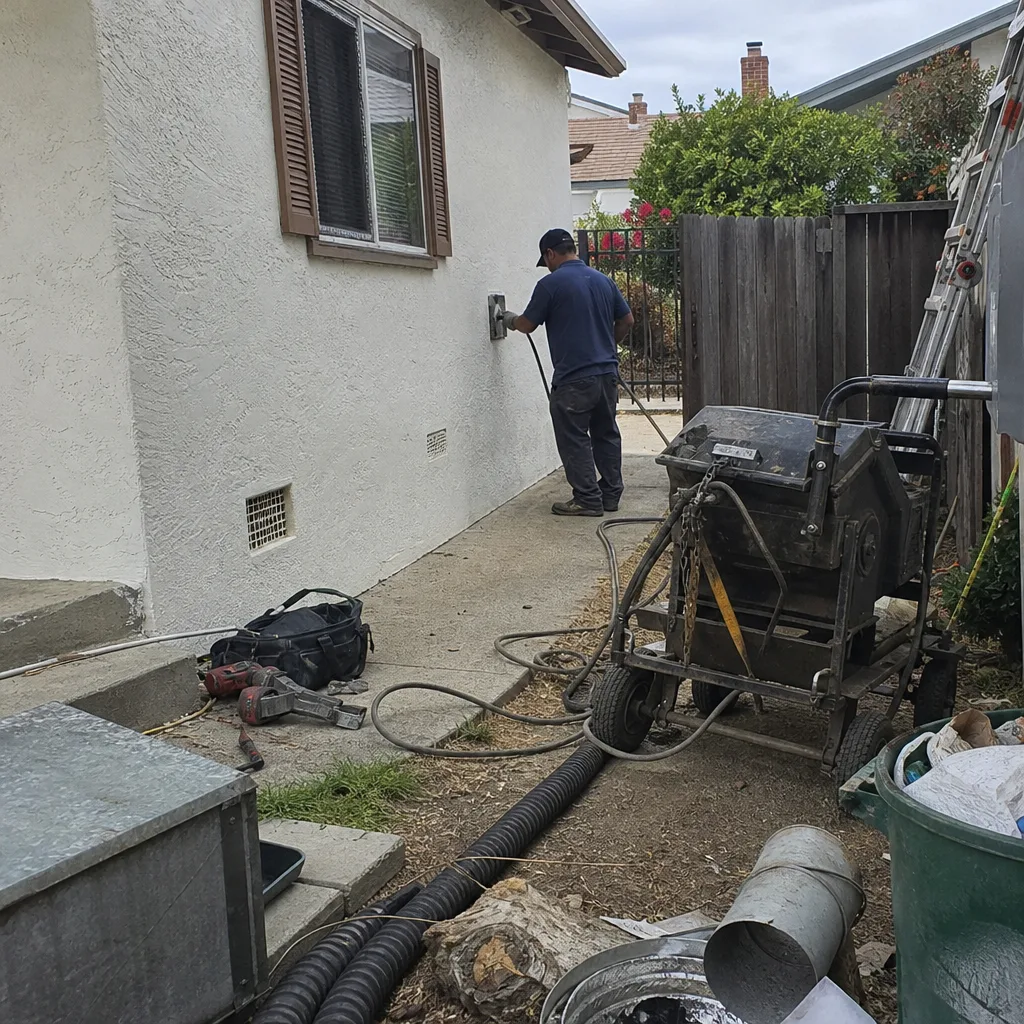 Before
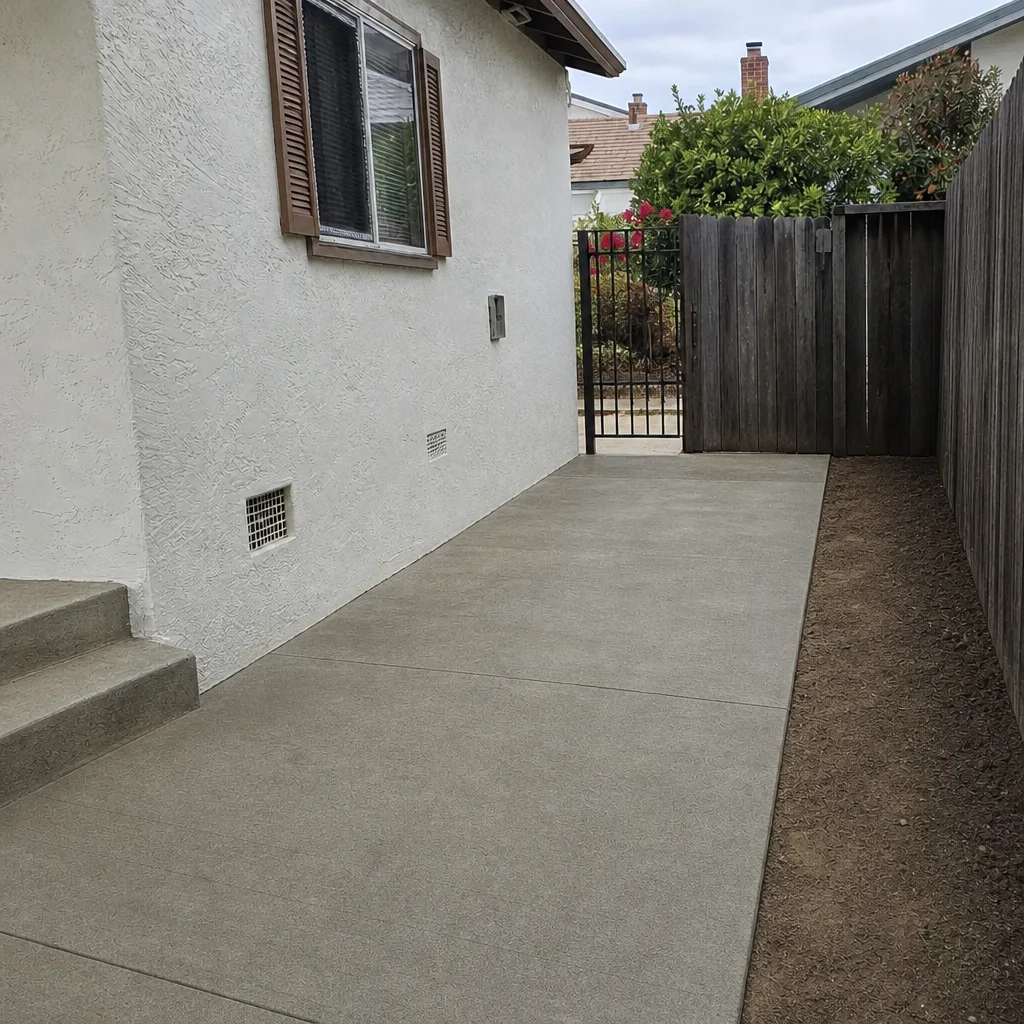 After
When to Call a Professional
Call a professional if you see dust blowing from your registers when the system turns on, if rooms heat or cool unevenly, if your energy bills have crept up without a change in usage, or if anyone in the home has unexplained allergy symptoms that worsen indoors. These are signs of either contaminated ducts, leaking ducts, or both. A professional assessment answers the question definitively.
Call if you’ve had renovation work done recently. Construction dust is fine particulate that settles deep into duct systems and takes specialized equipment to remove. Call if you have never had the ducts cleaned and the home is more than a decade old. Call if you can’t remember the last time the dryer vent was cleared.
Duct Cleaning San Leandro offers free estimates in San Leandro. Call (855) 356-5880. We answer 24/7. Fast dispatch from 7am to 7pm, Sunday through Friday. We’ll assess the system, tell you what’s actually wrong, and give you a written estimate before any work begins.
Frequently Asked Questions
Air duct cleaning costs vary based on the size of the home, the number of duct runs, and the system’s condition. A whole-home residential cleaning typically involves several hours of work with professional equipment, not a 45-minute walkthrough. The written estimate sets the final price before work begins, and the estimate is free. Call (855) 356-5880 for a quote specific to your house.
Visible dust at the registers, uneven room temperatures, and rising energy bills point to duct problems, but they don’t distinguish between contamination and damage. That’s why we assess integrity before cleaning. If the ducts are leaking, we fix the leaks first. If they’re sealed but dirty, we clean. The assessment tells you which problem you actually have.
Most duct systems can be accessed through the existing registers and the air handler cabinet. Access holes are only cut when the duct geometry requires it, and every hole is properly sealed with a patch after cleaning. We do not cut drywall. The access points are in the ductwork itself.
Ask for before-and-after photos of the duct interiors. This is standard practice for any legitimate contractor with professional equipment. You should be able to see the difference in the surfaces. If a company cannot or will not provide these photos, they have not earned your trust or your money.
Duct cleaning removes accumulated allergens like dust mites, pet dander, and pollen from the surfaces your air passes over. If your ducts are contaminated, removing those irritants can reduce the overall allergen load in the home. If your ducts are leaking, the cleaning won’t help until the leaks are sealed, because unfiltered air keeps coming in. It’s a two-step problem.
Equipment and scope. A company running consumer-level vacuums and a brush can charge less because they’re not doing the same job. They’re not creating negative pressure throughout the system, they’re not cleaning the return side thoroughly, and they’re not offering repair capability. The lower price buys a less complete service. Ask what equipment they run before you compare quotes.
The Bottom Line
Duct cleaning in San Leandro is not a one-time fix. It’s a two-step systems problem: the ductwork must be intact before the cleaning matters. Leaks pull contaminated air back into the system as fast as cleaning removes it. Choose a contractor that can assess integrity, make repairs on the same visit, and clean with professional-grade equipment. Look for brands like Rotobrush, Nikro, and Abatement Technologies, not a shop vac and a flashlight. Ask for before-and-after photos. And schedule the dryer vent at the same time. One visit, clean ducts, sealed repairs, safer dryer vent.
Call (855) 356-5880 for a free estimate. We answer 24/7. Fast dispatch from 7am to 7pm, Sunday through Friday.
Written by the team at Duct Cleaning San Leandro, serving San Leandro since 2018.