
Last updated November 5, 2026
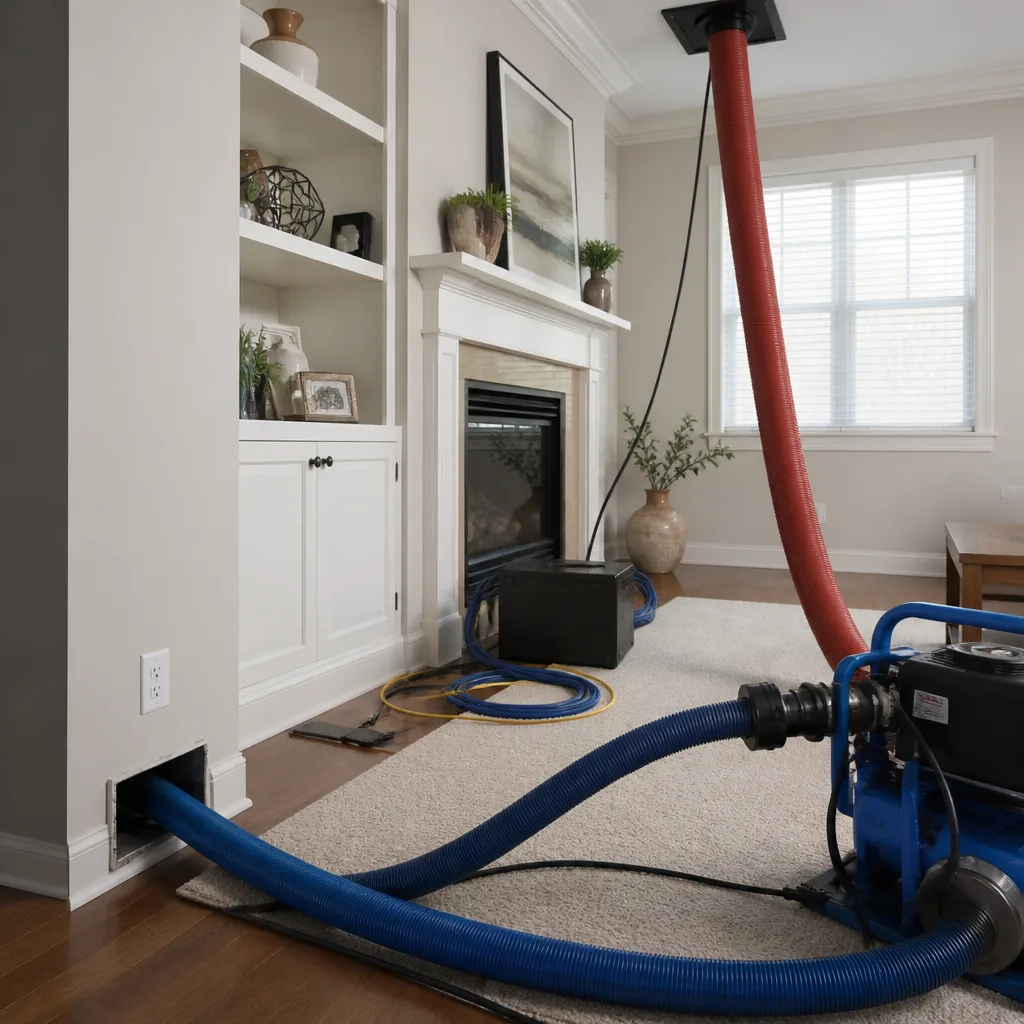 Whole-home duct cleaning
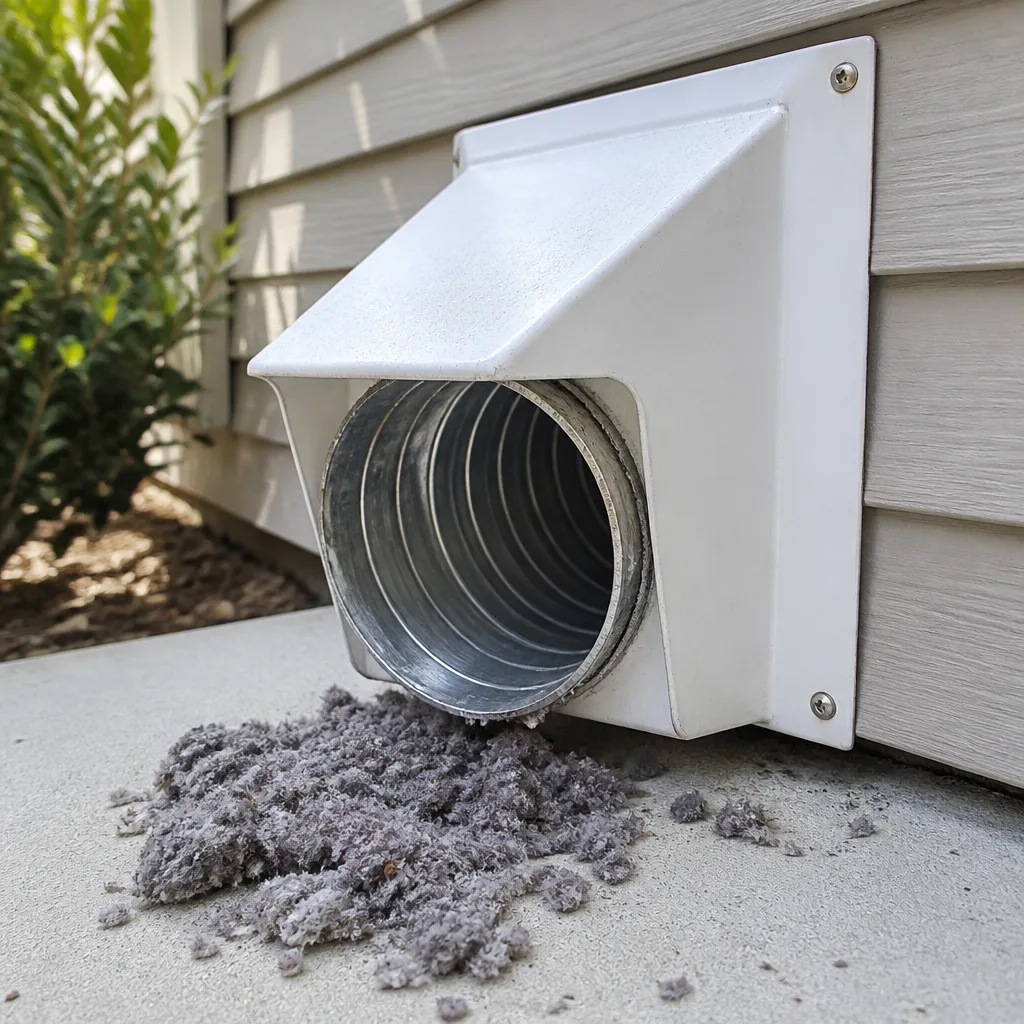 Dryer vent cleaning
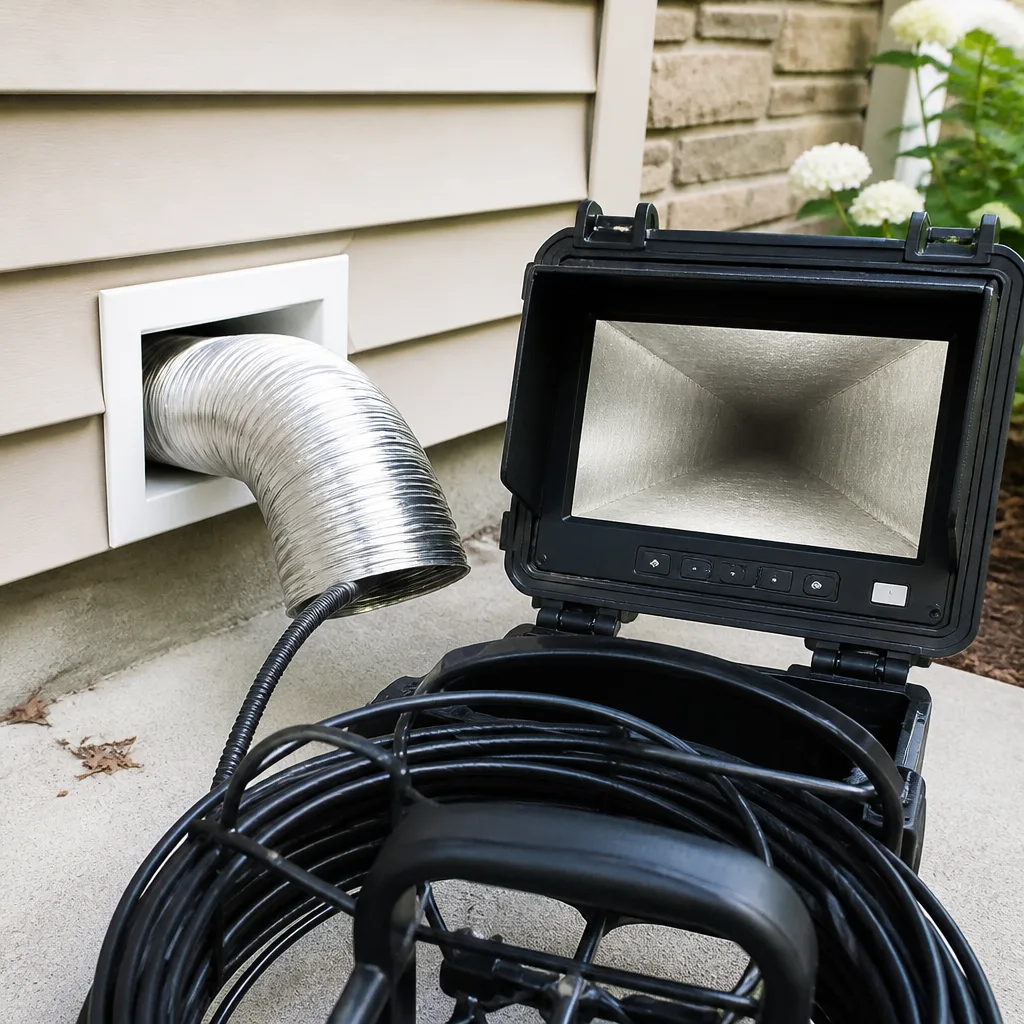 Camera inspection
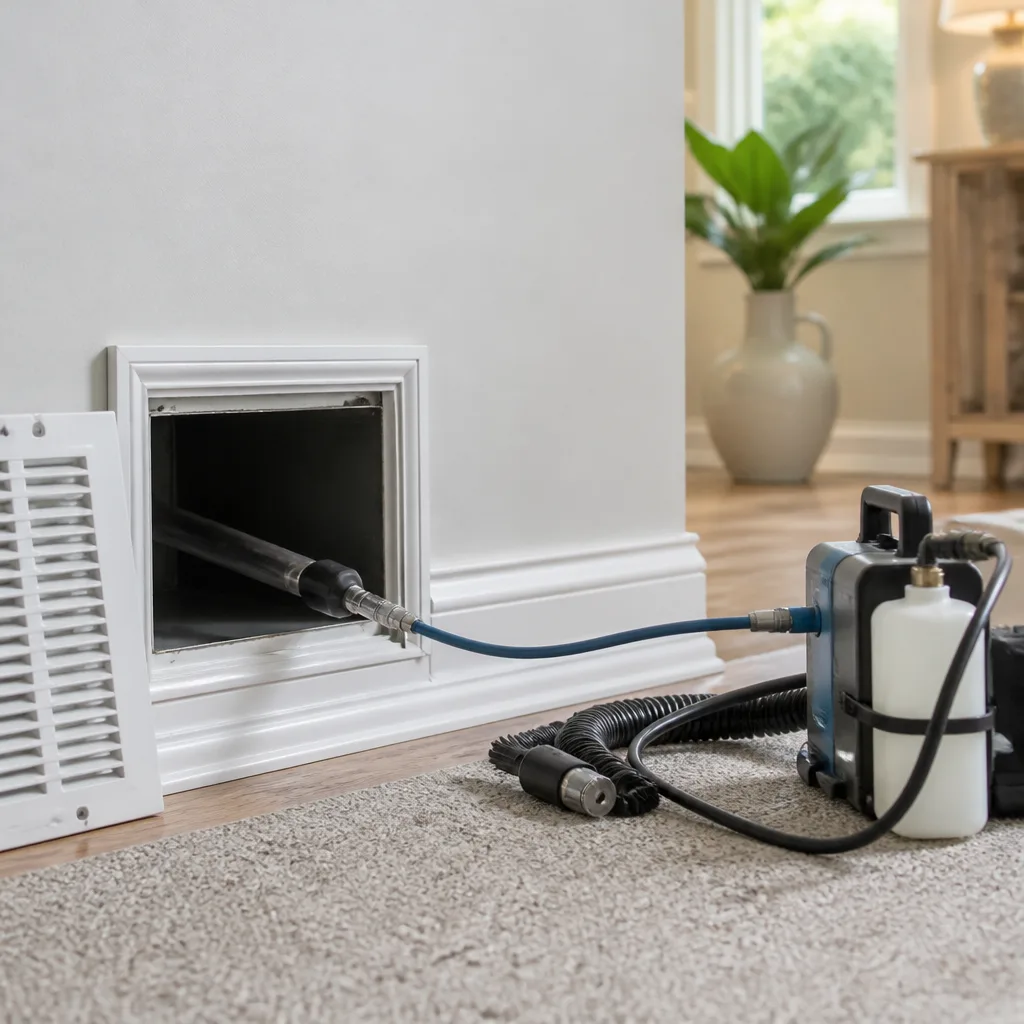 Sanitizing & deodorizing
Whole-system duct and dryer vent check with before-and-after photos - you see exactly what came out of your vents
That "$99 whole-house special" is a bait ad - the real number appears once they are in your hallway, or the "clean" is a shop-vac at the register. We photograph the inside of your ducts before and after instead.
Choosing the Right Air Duct Cleaning Brand: A Buyer’s Guide for San Leandro
Most homeowners searching for a “trusted brand” in duct cleaning end up staring at review aggregators that rank companies by star ratings and response times. That’s the wrong filter. A duct cleaning company name tells you almost nothing. The equipment platform that company runs tells you almost everything. The real question isn’t “which company should I hire in San Leandro” but “which machine is going to roll into my house, and what can it actually do to the ducts behind my walls?” This guide breaks down the three commercial equipment platforms that separate serious duct cleaning operations from consumer-level services, and shows you how to verify any contractor’s claims before you let them touch your system.
Styles & brands we work with
- Whole-home duct cleaning
- Dryer vent cleaning
- Camera inspection
- Sanitizing & deodorizing
Quick Answer
The right air duct cleaning brand in San Leandro isn’t a company name. It’s the equipment platform the contractor uses. Rotobrush rotary brush systems, Nikro negative-pressure HEPA vacuums, and Abatement Technologies air-scrubbing containment units each serve different duct types and contamination levels. Choose a contractor who owns commercial-grade equipment from these manufacturers, can explain why they brought a specific machine for your job, and can also repair ductwork on the same visit. Call (855) 356-5880 for a free estimate from Duct Cleaning San Leandro.
Table of Contents
- The Three Equipment Platforms That Matter
- Matching the Machine to Your Ductwork
- What an Equipment Investment Actually Signals
- Three Questions That Verify Equipment Claims
- The Repair Capability Question Most Buyers Skip
- What San Leandro Ductwork Actually Looks Like
- Why Some Quotes Are So Much Cheaper
- Common Mistakes to Avoid
- When to Call a Professional
- Frequently Asked Questions
- The Bottom Line
The Three Equipment Platforms That Matter
Duct cleaning equipment falls into two broad categories: what a consumer buys at a home improvement store, and what commercial contractors deploy on remediation and post-construction jobs. The difference is mechanical, not cosmetic. Commercial systems move more air, agitate more aggressively, and capture what they remove instead of blowing it around. Three manufacturers dominate the professional space, and each works on a distinct principle.
Rotobrush systems combine a rotary brush head with a powerful vacuum running simultaneously. The brush spins against the duct wall to dislodge debris while the vacuum pulls it out in the same pass. This contact agitation matters because dust and debris in ducts doesn’t just sit loose waiting to be sucked up. It accumulates in layers, sometimes greasy, sometimes compacted, and it needs to be physically disturbed before airflow can carry it away. In our experience, this is the workhorse machine for residential systems with standard sheet metal or flexible ductwork.
Nikro rigs operate on negative pressure extraction. The system seals off the duct network and pulls air through a high-efficiency filtration system at industrial volumes. Think of it as a contained vacuum chamber for your entire duct system. This matters because loose debris gets pulled from registers, boots, and trunk lines without dispersing back into the living space. Nikro equipment is the standard in commercial duct cleaning contracts where verified air volume and filtration efficiency are written into the job spec.
Abatement Technologies builds containment and air-scrubbing units designed for hazardous material abatement. These machines run HEPA-filtered negative air systems that prevent contaminated particles from escaping a work area. For duct cleaning, this equipment matters in high-contamination scenarios: mold-adjacent situations, post-renovation debris, or systems that have been compromised by pest activity or water ingress. Most residential duct cleaning companies don’t own this equipment because it’s expensive and storage-intensive. Those that do can take jobs other contractors turn away.
The company name on the van doesn’t change how any of these machines work. But whether the contractor owns them, maintains them, and knows when to use each one changes everything about the result. When we roll out to a job in San Leandro, the equipment loaded onto the truck depends on what we’re expecting to find. That’s the conversation most homeowners never get to have with a consumer-level service that only owns one machine.
Matching the Machine to Your Ductwork
Not all ductwork responds to cleaning the same way. The material, age, configuration, and condition of your ducts should drive the equipment decision. Here’s the practical breakdown.
Flexible Ductwork
Flex duct is common in San Leandro homes built since the 1980s. It’s a wire coil wrapped in plastic and insulation. The inner liner is relatively fragile compared to sheet metal. Aggressive rotary brushing can tear the liner if the operator runs the brush too fast or uses a head sized for rigid duct. Rotobrush systems are well suited here because the brush speed is controllable and the vacuum runs simultaneously, preventing debris from being pushed deeper into the flex. Nikro negative-pressure extraction is also effective because it pulls debris without requiring heavy contact agitation.
Rigid Sheet Metal Ducts
Older San Leandro homes, especially those built before 1970, often have galvanized sheet metal ducts. These can handle more aggressive cleaning. Rotobrush excels here. The rotary brush gets into corners and seams where debris accumulates. The simultaneous vacuum is essential because without it, the brush just kicks debris into the air stream. Sheet metal ducts also respond well to inspection cameras, which we run as part of a standard air duct cleaning job.
Fiberboard and Duct Board
Some homes have fiberboard ductwork or fiberboard plenums. This material is essentially compressed fiberglass. It cannot handle aggressive rotary brushing without surface damage. The correct approach involves lower-speed agitation and higher-volume vacuum extraction. Negative-pressure systems like Nikro are the right call here. A contractor who only owns a rotary brush and runs it at full speed on fiberboard will damage the duct surface and potentially release fibers into the home.
Contaminated Systems
When a duct system has visible mold growth, pest contamination, or post-renovation debris like drywall dust and fiberglass particles, the cleaning approach changes. This is where Abatement Technologies equipment matters. The system needs to be contained during cleaning so that disturbed particles don’t spread through the living space. HEPA-filtered negative air machines pull air from the home through the cleaning process, capture the particles, and exhaust clean air. Most residential cleaners don’t have this capability. They either turn the job down or clean without containment, which can make a contamination problem worse.
San Leandro’s housing stock spans everything from 1920s bungalows to mid-century ranchers to 1990s and 2000s construction. Each era used different duct materials. A competent contractor asks what you have before rolling out equipment.
What an Equipment Investment Actually Signals
Commercial-grade duct cleaning equipment is expensive. A new Rotobrush system costs in the tens of thousands of dollars. A Nikro HEPA negative-air machine is in the same range. Abatement Technologies containment units can push a full equipment loadout well past what most residential cleaning companies will invest. A consumer shop vac setup costs a few hundred dollars, maybe a few thousand with a mediocre rotary attachment.
That price gap matters for one simple reason: a company that invests in commercial equipment is signaling how they approach the work. They are not dabbling. They are not running a side gig. They’ve made a capital commitment that requires steady, serious work to pay back. It also means they can do things a shop-vac operator cannot, like generate enough air volume to clean an entire trunk line from one access point, or filter the air they’re exhausting instead of recirculating it into your hallway.
The phrase we use internally is commercial-grade equipment at residential pricing. The equipment is the same stuff used on commercial contracts. The job is a single-family home in San Leandro. The pricing reflects the residential market, but the capability is a different category.
There’s a secondary signal here that’s easy to miss. Commercial equipment means the technicians running it had to learn how. A technician trained on a proper negative-air rig understands air pressure, filtration, and containment. Someone who has only ever run a shop vac has never had to think about where the exhausted air goes. That difference shows up in how they handle your furniture, your registers, your return air, and your existing home air quality equipment.
Which brings up a point that gets overlooked: the interaction between duct cleaning and whole-home air quality systems. Many San Leandro homes have Honeywell or Aprilaire filtration and ventilation units integrated into the HVAC system. Cleaning around these requires knowing how they operate and how to avoid compromising an existing investment. A technician who understands the full HVAC ecosystem, not just the ducts in isolation, cleans without damaging or bypassing the filtration components.
Three Questions That Verify Equipment Claims
Anyone can write “professional equipment” on a website. A surprising number of duct cleaning companies in the Bay Area advertise commercial systems they don’t actually own. They may rent equipment occasionally, subcontract the work, or simply stretch the truth. Here’s how to verify before you let anyone into your home.
- Ask which equipment platform they’ll bring to your specific job, and why. This is the most revealing question. A company that owns a Rotobrush and a Nikro rig will give you a straight answer: “Your ducts are flex, so we’re bringing the Nikro to avoid damaging the liner.” A company that doesn’t own the equipment will deflect or give a vague answer about “state-of-the-art” tools. That vagueness is itself an answer. Ask them to name the manufacturer. If they can’t name what they own, they probably don’t own it.
- Ask how they handle the vacuum exhaust. Consumer equipment exhausts air back into the home. A proper setup runs the exhaust outside or through a HEPA filtration system before it enters the living space. This is a functional test of equipment quality. A technician running a Nikro or similar negative-pressure system will be able to explain exactly where the air goes. A shop vac operator will not have thought about it. This question also reveals whether they understand the pressure dynamics of cleaning a sealed duct system.
- Ask whether they also repair ductwork on the same visit. This question separates full-service operations from cleaning-only companies. When we clean ducts, we inspect for damage: disconnected sections, crushed flex, leaking joints, compromised insulation. Finding a problem and leaving it because the company only cleans is a half-solved job. A company that can clean the dryer vent and repair the duct in the same visit saves you from sourcing a second contractor and coordinating schedules. Most cleaning companies can’t repair. Asking the question reveals whether you’re dealing with a one-trick service or an actual duct specialist.
These questions work better than reading reviews, because they test the thing reviews can’t capture: whether the company owns the machinery they claim to run, and whether they know how to use it on your specific ductwork.
The Repair Capability Question Most Buyers Skip
Here’s a scenario we see regularly: a homeowner hires a duct cleaning company. The job goes fine. But while the technician is in the system, they find a section of flex duct that’s been crushed by someone crawling through the attic, or a joint that’s separated and blowing conditioned air into the crawl space. The cleaning company says, “You should get that fixed.” Then they pack up and leave. The homeowner now has to find a separate HVAC contractor, get another quote, schedule another visit, and wait. In the meantime, the system is still leaking. The cleaning was refreshing but the problem remains.
This is the coordination gap that makes duct problems half-solved. It’s the single most avoidable frustration in this industry. The fix is to choose a company that cleans and repairs on the same visit. The shorthand we use is simple: we clean it and fix it.
Repair capability matters because cleaning often uncovers repair needs. When a duct system has been neglected for years, the same conditions that made it dirty often damaged it. Crushed flex, failing tape at joints, disconnected boots, rusted sections of sheet metal. These are not rare. They’re common in San Leandro homes that haven’t had ductwork inspected in a decade.
A company that only cleans will identify these problems but leave them. A company that cleans and repairs will fix the disconnected section, replace the crushed flex, and seal the leaking joint before they leave. One visit. Clean ducts, sealed repairs, safer dryer vent. That’s the outcome you want, and it’s the reason Duct Cleaning San Leandro built repair capability into the service from day one.
This also has a practical advantage around scheduling and access. The technician is already in your attic or crawl space. The equipment is already set up. Fixing a duct during the cleaning visit is dramatically more efficient than scheduling a separate appointment. You save time, coordination effort, and often money compared to bringing in a second contractor.
What San Leandro Ductwork Actually Looks Like
San Leandro’s housing stock shapes what we find in duct systems. The city has a mix of pre-war bungalows, mid-century ranchers, and newer construction stretching toward the hills. Each era used different building practices, and those practices determine what the ductwork looks like today.
Older homes in neighborhoods near downtown often have original sheet metal ducts, sometimes with asbestos-containing insulation wrap on the exterior. We don’t remove asbestos materials, but we need to know they’re present so the cleaning process doesn’t disturb them. The mild local climate means these systems often didn’t run as much as systems in harsher climates, but that doesn’t make them clean. Dust, pest debris, and decades of accumulated particulate still settle in the ducts regardless of how often the furnace runs.
Mid-century ranchers throughout San Leandro frequently have sheet metal trunk lines with flexible branches added during later renovations. Every remodel changes the duct configuration, and not always well. We find disconnected flex runs, improperly sized transitions, and joints that were never sealed. These are exactly the conditions that make a cleaning-only service insufficient.
Newer homes, particularly those built since the 1990s, often have all-flex systems. Flex duct installed well is functional, but it’s also more easily damaged than sheet metal. Rodent activity in attics is a real issue in San Leandro, and rats can chew through flex duct liner. When that happens, the system pulls unfiltered attic air into the home. Cleaning alone doesn’t fix it. The damaged section needs replacement.
San Leandro’s climate also affects how debris behaves inside ducts. Mild winters and warm, dry summers mean less condensation, which is good for mold prevention but doesn’t eliminate dust accumulation. Homes within a few miles of the bay have persistent dust and particulate that cycles through the HVAC system. Whole-home filtration from Honeywell and Aprilaire helps, but those systems work better when the ducts they feed into are clean. The filter catches particles at the return; it does nothing for debris already sitting in the supply ducts downstream.
For a deeper look at how local conditions shape duct cleaning, see our page on San Leandro.
Why Some Quotes Are So Much Cheaper
Duct cleaning quotes in San Leandro vary widely. One company quotes $350. Another quotes $900. The instinct is to assume the expensive one is overcharging. Usually, the opposite is true. Here’s what the cheap quote typically represents.
A company offering a very low price is often running consumer-grade equipment, a shop vac with a long hose, or a lightweight rotary attachment. They’re not generating real negative pressure. They’re not agitating debris effectively. They’re not filtering the exhaust. They may not even remove the register covers to clean the boot cavities, because that adds time. They’re doing what the industry calls a “blow and go”: 45 minutes, minimal disruption, maximum tickets per day. The work looks like cleaning but doesn’t remove the debris that actually matters.
There’s also the add-on pricing model. A low advertised price gets the van into your driveway. Then the technician finds things: mold, extra vents, a longer trunk line, a return that needs special attention. The invoice climbs before the work starts. This is the bait-and-switch reputation the duct cleaning industry has earned, and it’s the exact dynamic that makes homeowners cynical about cheap quotes.
The honest model is a flat price for the whole system, agreed before work starts, based on a written estimate. No per-vent pricing, no price changes mid-job unless the technician finds something that genuinely requires additional work, which gets discussed and approved before it happens. That’s how we operate. The estimate is free and the price is set per job by the written estimate.
The equipment also explains cost differences. Running a Nikro negative-pressure system costs more per job in fuel, maintenance, and technician time than a shop vac. That cost buys real extraction, verified filtration, and a job that doesn’t need redoing in six months. A cheap quote that doesn’t actually clean the ducts is the most expensive option in the long run.
Common Mistakes to Avoid
- Choosing based on the company name alone. A branded van doesn’t tell you what’s inside it. Two companies with similar names and similar review scores can run completely different equipment platforms. Ask what machine they’re bringing, not what logo is on the side.
- Accepting a per-vent price structure. Per-vent pricing is built to be gamed. The original quote assumes a certain number of vents, and the final invoice assumes more. A fixed price for the whole system, agreed before work starts, eliminates the incentive to pad.
- Hiring a cleaning-only company when your ducts might need repair. Dirty ducts often have damage you can’t see from the register. If the company can’t repair what they find, you’re paying for half a job. Choose a contractor who cleans and fixes on the same visit.
- Taking equipment claims at face value. “Professional equipment” means nothing without a manufacturer name. Ask which platform they run and why it suits your duct type. The test isn’t whether they have a number-you can ask these questions in two minutes on the phone.
- Ignoring the dryer vent. The dryer vent is a genuine fire-safety risk recognized by the NFPA. Many homeowners think of it as an add-on, but a clogged dryer vent is one of the most common causes of household fires that never needs to happen. It should be part of the conversation, not an afterthought.
- Assuming old ducts are fine because the air feels okay. Airflow is a weak signal. A duct system can be leaking 20% of its conditioned air into the attic while still pushing enough through the registers to feel normal. Inspection is the only way to know. If your cleaning contractor doesn’t inspect, they’re not doing the job.
- Falling for the cheapest quote without asking what it includes. A $250 duct cleaning in San Leandro is almost certainly a blow-and-go. You’ll have cleaner-looking registers and the same debris in the trunk line. Ask what the price includes: how many access points, what equipment, what verification, what happens if they find damage.
When to Call a Professional
There are situations where duct cleaning is not optional. If you’ve just completed a renovation and the house is full of drywall dust, that dust is in your ducts and it will cycle through the system for months. If you see visible mold growth around registers or smell a persistent musty odor when the system runs, the ducts need professional assessment. If you’ve had rodents in the attic, their droppings and debris are often in the duct system. If your dryer takes multiple cycles to dry a load, the vent is clogged and the fire risk is real.
In these scenarios, a consumer-grade cleaning won’t solve the problem. The work needs commercial-grade extraction, proper filtration, and the ability to repair what cleaning reveals. Duct Cleaning San Leandro offers free estimates in San Leandro. Call (855) 356-5880. We answer 24/7. Fast dispatch from 7am to 7pm, Sunday through Friday.
Frequently Asked Questions
The best company is the one that runs commercial-grade equipment suited to your duct type and can repair what it finds. Look for a contractor with Rotobrush or Nikro systems, HEPA filtration, and in-house repair capability. Duct Cleaning San Leandro offers all three, with free estimates at (855) 356-5880.
Ask them to name the manufacturer and explain why they chose that platform for your specific duct type. A legitimate operator gives you a straight answer. A company that rented equipment or is using a consumer setup will deflect. The specific machine also tells you what it does mechanically: rotary brush with vacuum, negative-pressure extraction, or HEPA containment.
Cheaper quotes usually mean consumer-grade equipment, per-vent pricing, or a blow-and-go approach that cuts corners on actual debris removal. The commercial-grade machines that actually clean cost real money to operate. A low headline price often isn’t the final invoice. Get a fixed price for the whole system, in writing, before work starts.
It can, if the wrong equipment is used. Flex duct can tear under aggressive brushing. Fiberboard can release particles if over-agitated. That’s why matching the machine to the material matters. A technician who asks about your duct type before quoting is already signaling more competence than one who doesn’t. Duct Cleaning San Leandro matches the equipment platform to the ductwork on every job.
Yes. The dryer vent is a separate system from your HVAC ducts, but it carries the same kind of debris and adds a fire risk that the HVAC system doesn’t have. The NFPA recognizes dryer vent cleaning as a leading fire-hazard prevention measure. Scheduling both at once means one visit instead of two, and it addresses the whole air movement picture in your home.
Ask which equipment platform they run and why it suits your ductwork. Ask how they handle the vacuum exhaust. Ask whether they inspect as part of the cleaning and whether they can repair what they find. Ask for a fixed whole-system price, not a per-vent estimate. A contractor who answers all four clearly is rare and worth your business.
The Bottom Line
The “brand” in duct cleaning doesn’t matter as much as the equipment platform, and the equipment platform doesn’t matter unless the contractor knows when to use which machine. Rotobrush for standard sheet metal and flex systems. Nikro for negative-pressure extraction where containment matters. Abatement Technologies for high-contamination scenarios that consumer-level services can’t handle. Add in repair capability and you avoid the coordination gap that leaves duct problems half-solved. In San Leandro, ask the questions, verify the equipment, and get a fixed price before you commit. Your ducts carry every breath your family takes indoors. The right contractor treats that as a responsibility, not a transaction.
Written by the team at Duct Cleaning San Leandro, serving San Leandro since 2018.
See the difference
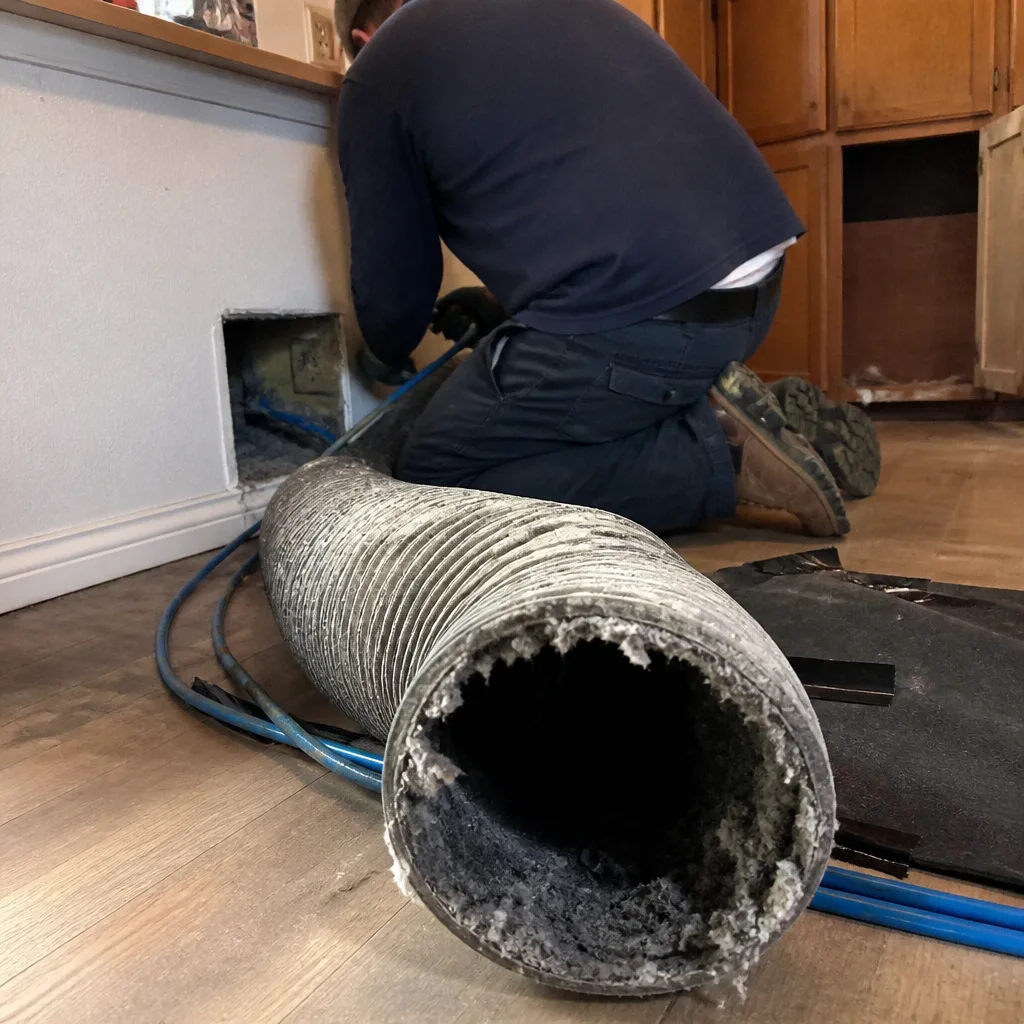 Before
 After
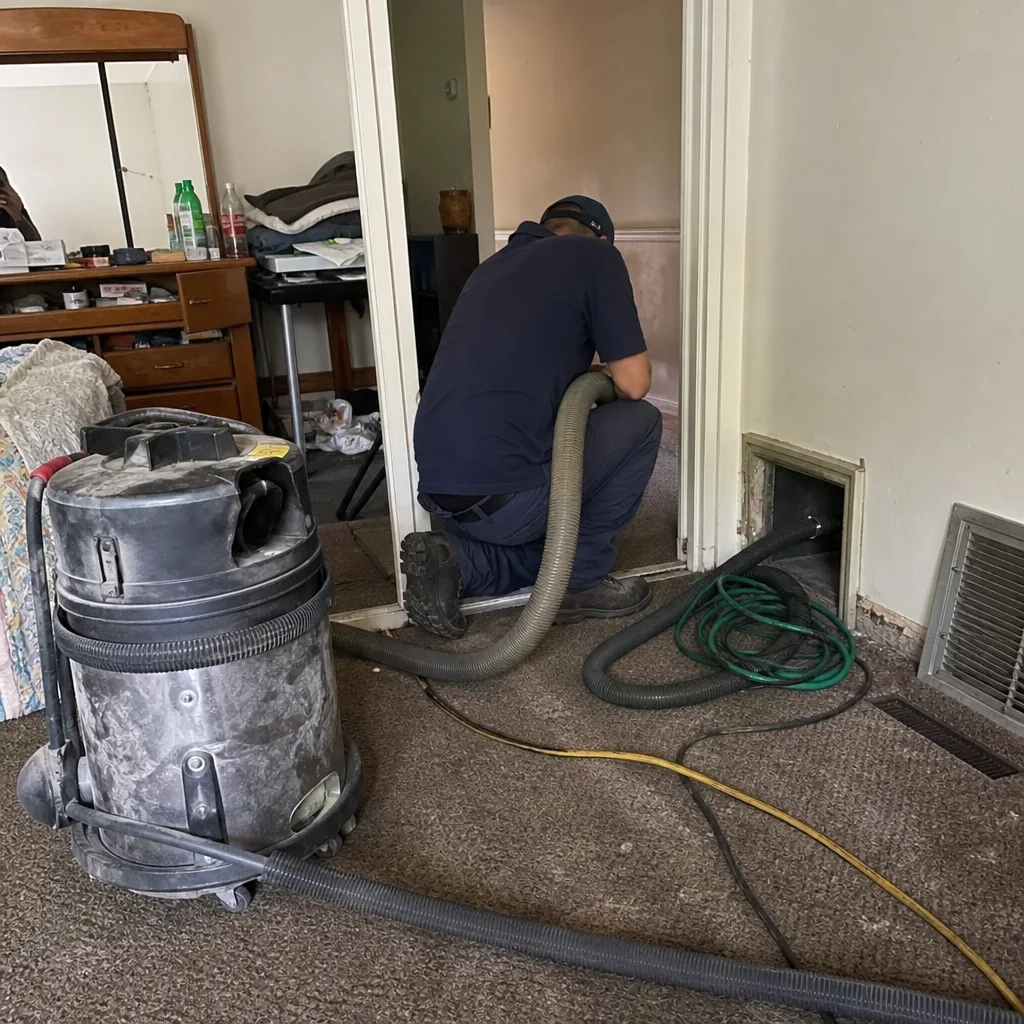 Before
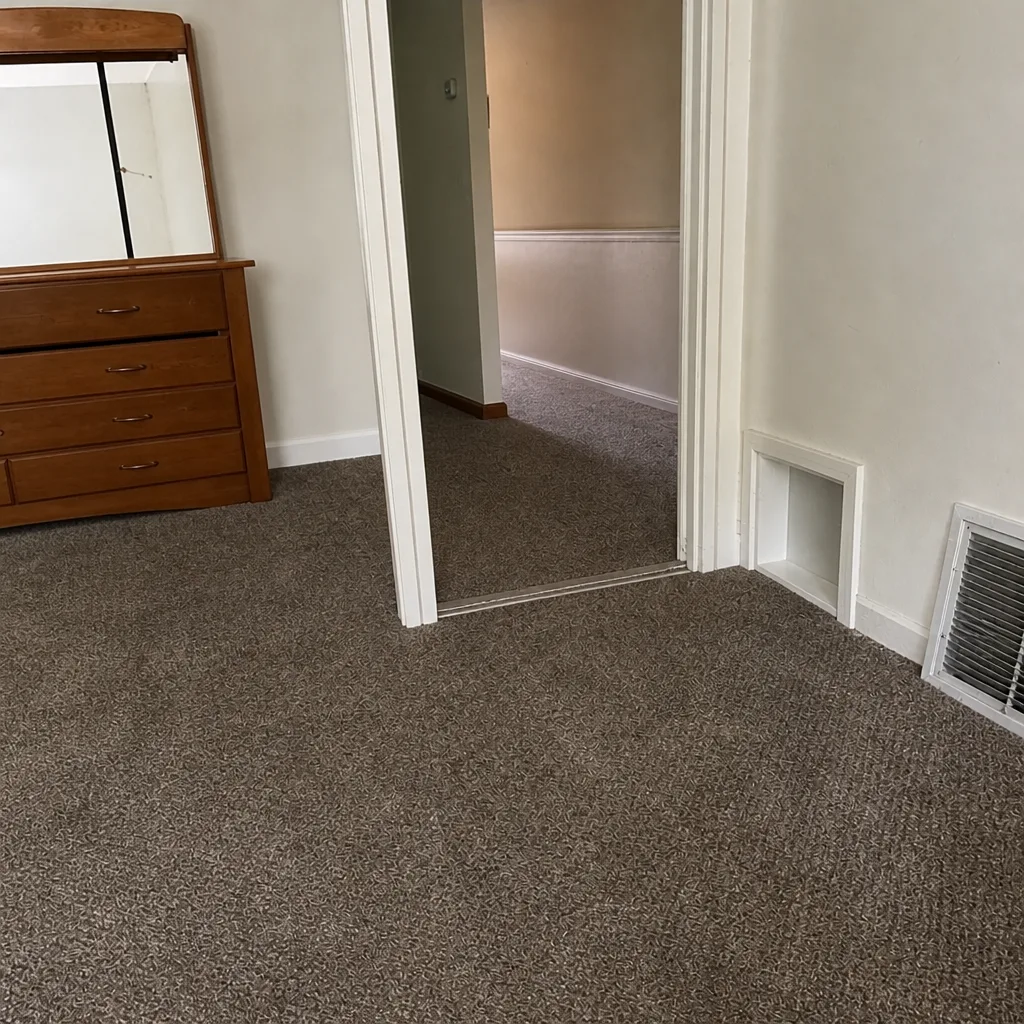 After
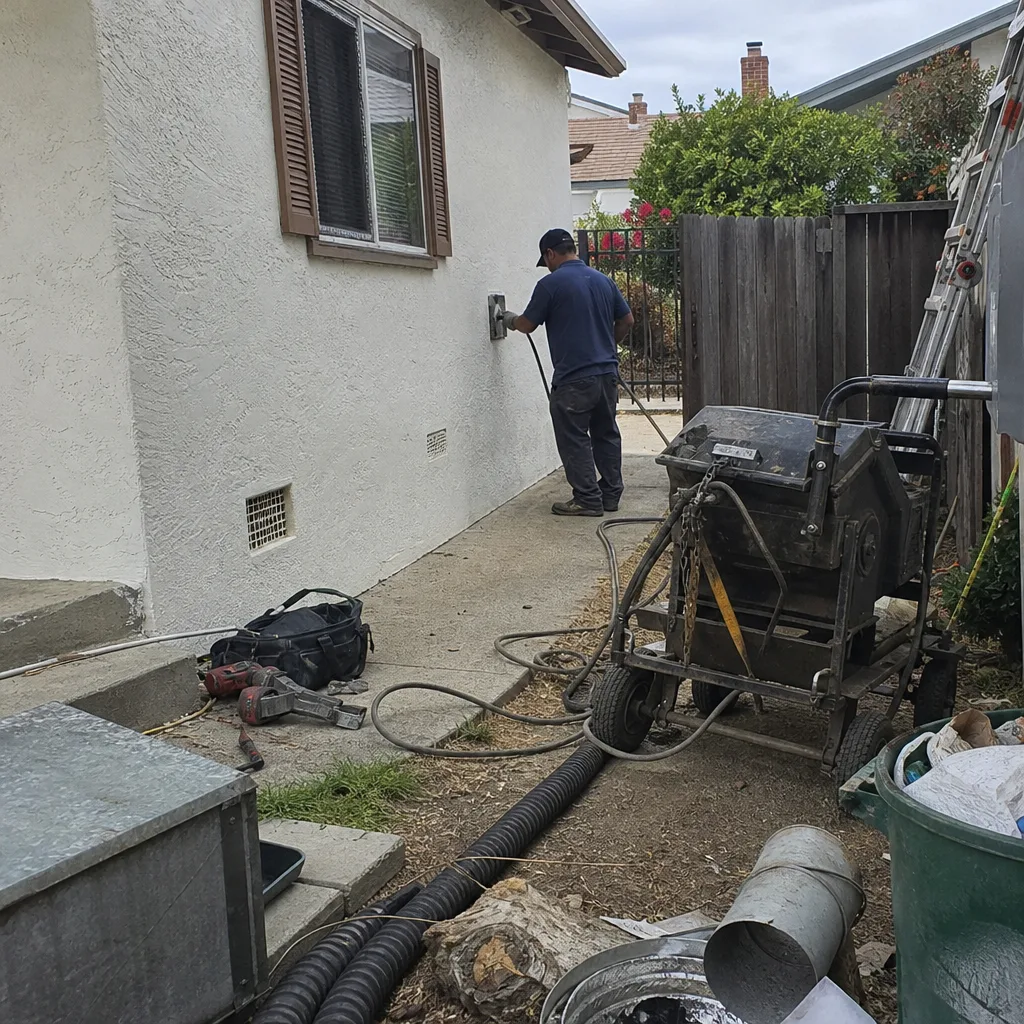 Before
 After