
Last updated November 4, 2026
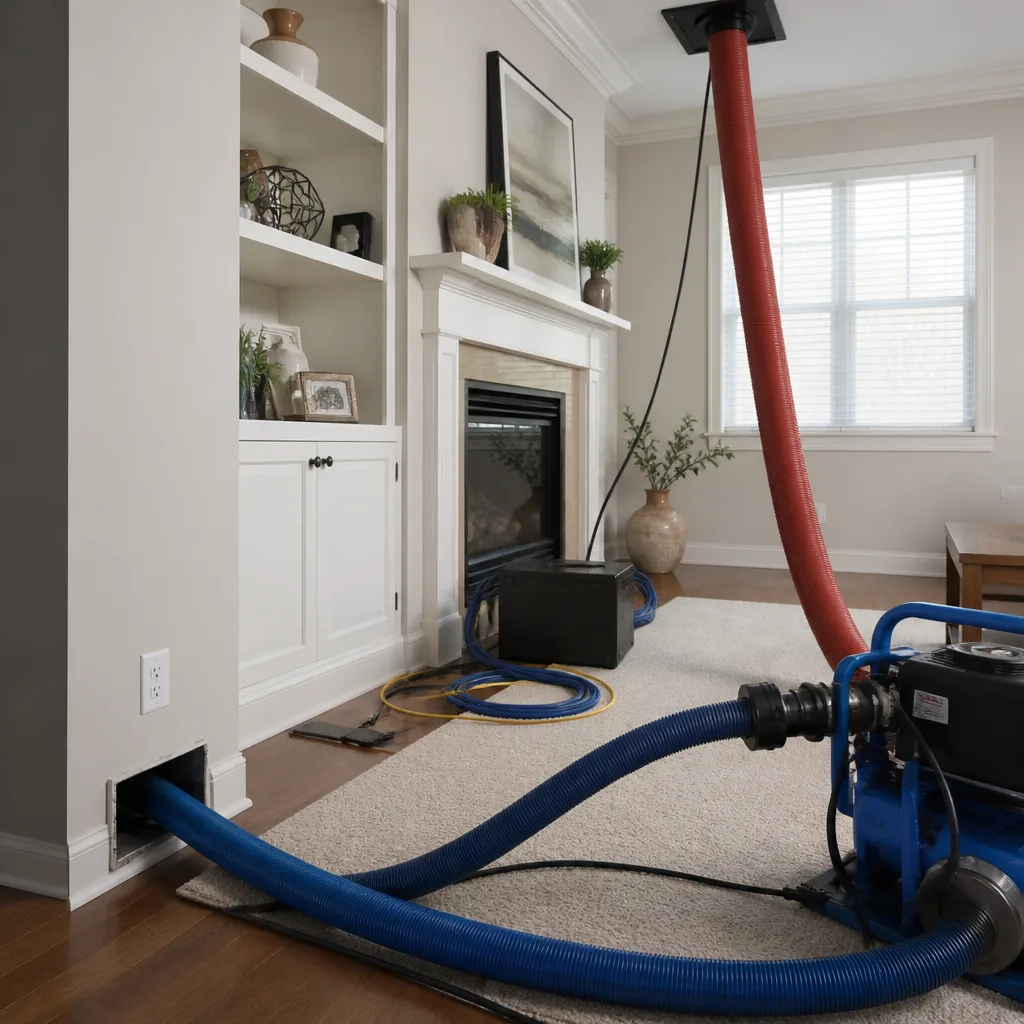 Whole-home duct cleaning
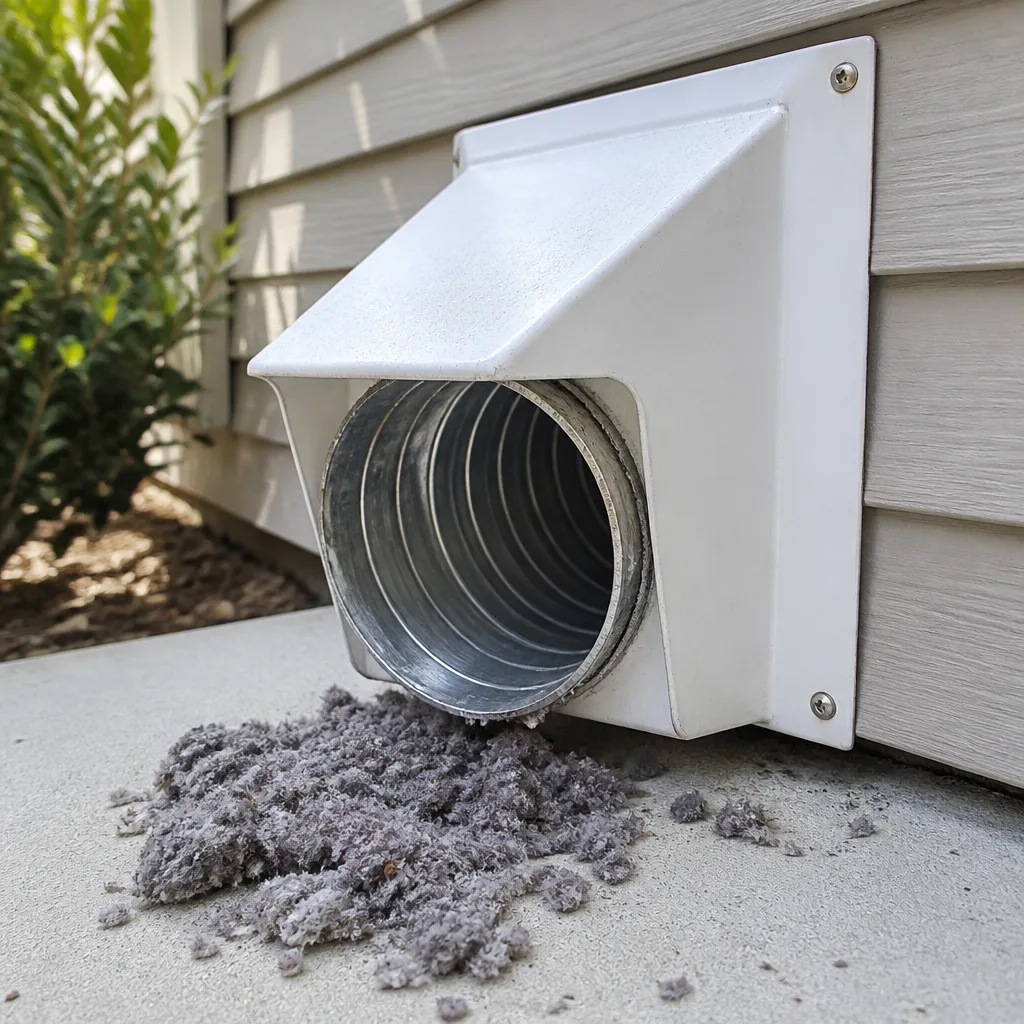 Dryer vent cleaning
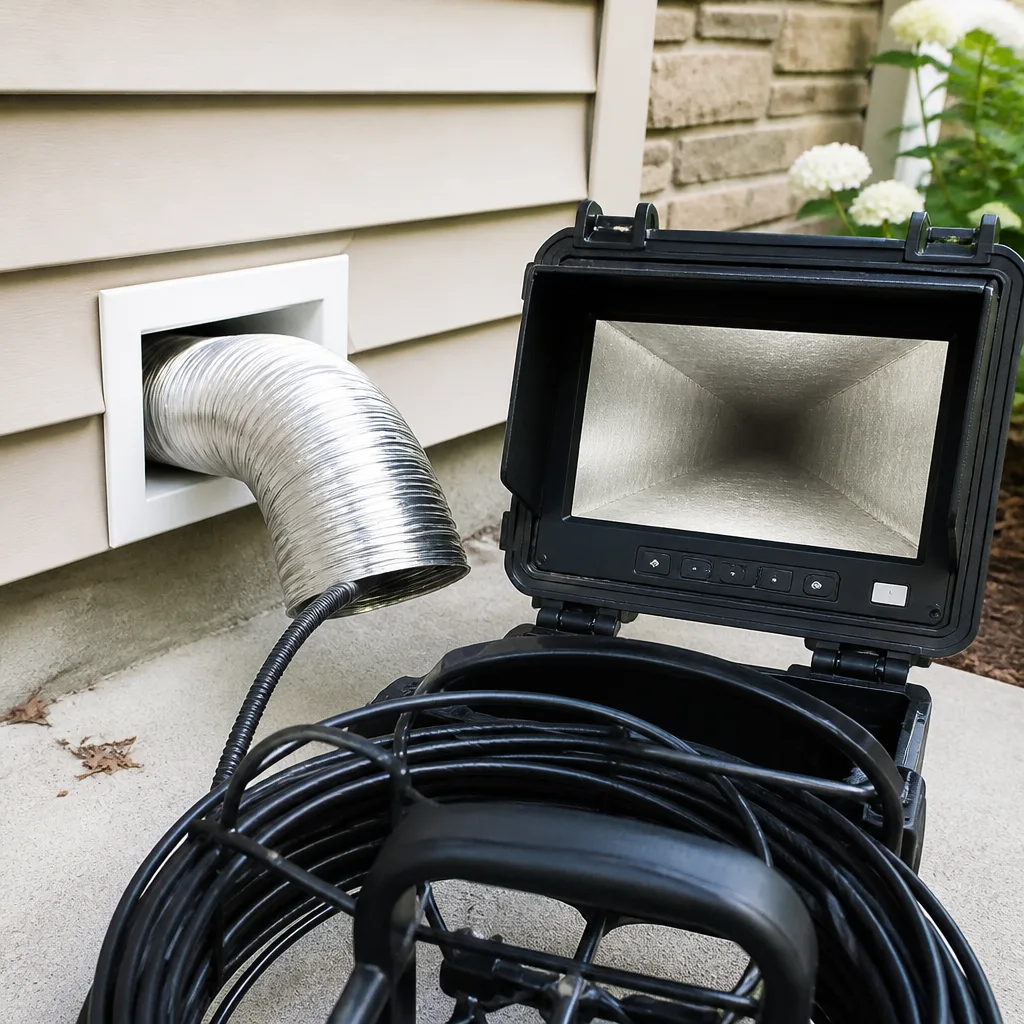 Camera inspection
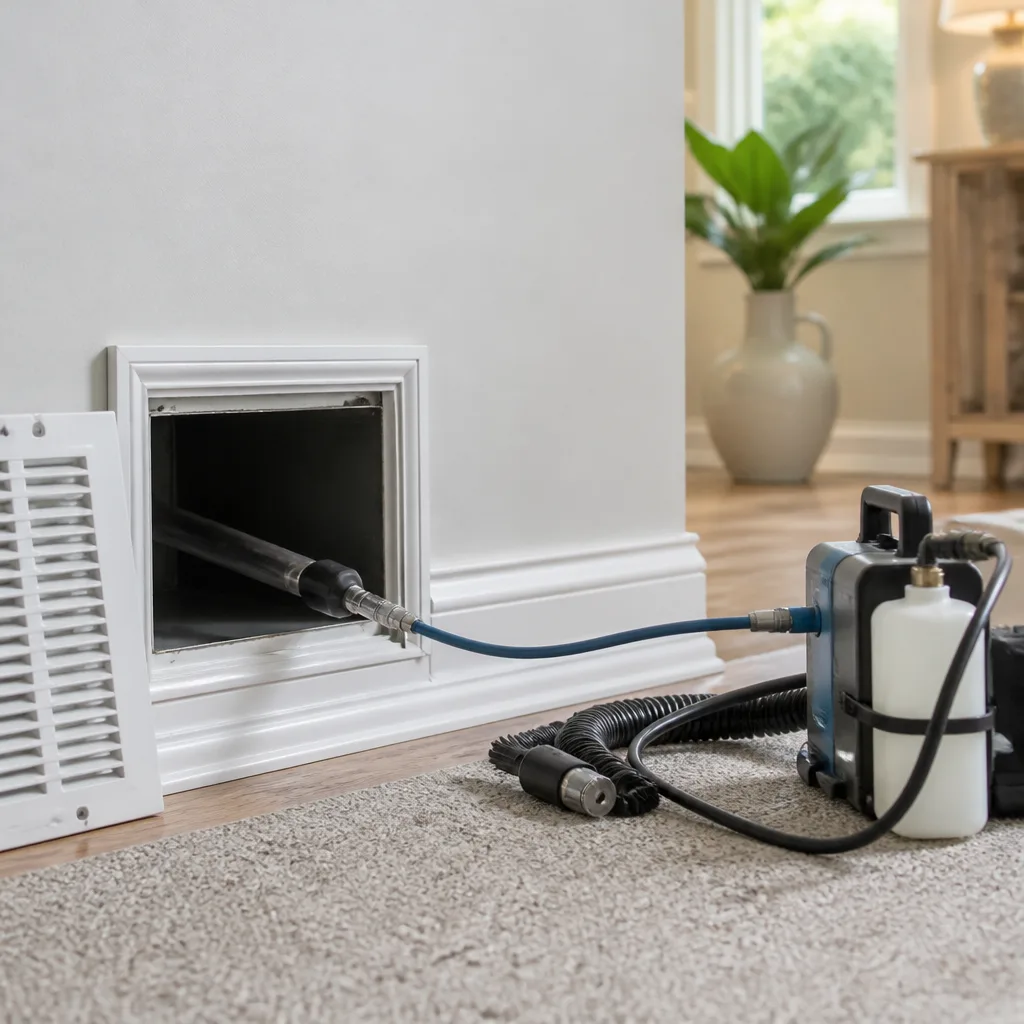 Sanitizing & deodorizing
Whole-system duct and dryer vent check with before-and-after photos - you see exactly what came out of your vents
That "$99 whole-house special" is a bait ad - the real number appears once they are in your hallway, or the "clean" is a shop-vac at the register. We photograph the inside of your ducts before and after instead.
Air Duct Cleaning Warning Signs: A San Leandro Homeowner’s Reference Guide
If you can see dust puffing from your registers when the heat kicks on, the problem has already been active long enough to coat the duct interior. That’s the moment most San Leandro homeowners finally call for air duct cleaning. But the signs worth catching show up much earlier, and they’re subtler. Most people have already noticed them and simply attributed them to something else: a room that never quite cools down, a musty smell that comes and goes, a family member whose allergies flare only at home. This guide walks through the full taxonomy of warning signs, what each one actually means, and which combinations warrant a camera inspection rather than a flashlight check.
Quick Answer
The warning signs that your ducts need cleaning in San Leandro fall into four categories: performance changes (rooms that stopped heating or cooling evenly, longer HVAC run times), odor patterns (musty, dusty, chemical, or burning smells that appear when the system runs), health symptom timing (allergy or respiratory issues that worsen when the HVAC operates), and visual evidence at registers or inside the ductwork. A single mild sign may mean routine maintenance. Two or more signs together, especially odor plus humidity plus staining, usually indicates a problem that needs professional equipment and a camera inspection to diagnose properly.
Styles & brands we work with
- Whole-home duct cleaning
- Dryer vent cleaning
- Camera inspection
- Sanitizing & deodorizing
Table of Contents
- Performance Warning Signs: What Your HVAC System Is Trying to Tell You
- The Odor Taxonomy: What Different Duct Smells Actually Mean
- Health Pattern Signals: When Symptoms Line Up with HVAC Operation
- Visual Signs: What You Can See at the Register Versus What Requires a Camera
- The Mold Red Flag Combination: Odor Plus Humidity Plus Staining
- San Leandro-Specific Factors That Affect Duct Contamination
- How to Do a Basic Duct Inspection Yourself: A Step-by-Step Walkthrough
- Why the Equipment Matters: What Actually Gets Ducts Clean
Performance Warning Signs: What Your HVAC System Is Trying to Tell You
Ductwork problems rarely announce themselves with a bang. They show up as slow, creeping changes in how your home feels, changes that most people gradually accept as normal. The first time a bedroom feels stuffy, you might open a window. By the time you’ve adjusted the thermostat three or four times in one afternoon, the pattern has become routine. But your HVAC system is communicating with you, and the message is often about airflow restriction, leakage, or insulation breakdown inside the duct runs.
The most common performance sign we hear about from San Leandro homeowners is a room that stopped heating or cooling as well as it used to. The thermostat hasn’t moved, the vents are open, and the system still runs, but one room stays warm in August or cold in January. When a duct run becomes partially obstructed by accumulated debris, or when a connection has loosened and is leaking conditioned air into the crawlspace or attic, the result is reduced airflow to the farthest registers. The system compensates by running longer cycles. That means higher utility usage for the same comfort level, and it means the HVAC unit itself is working harder than it should.
Another performance sign that most people never think about is static pressure. You can’t measure it without a manometer, and you shouldn’t try. But an HVAC technician can, and elevated static pressure readings often point to duct restrictions that cleaning or repair can address. What you can notice is the symptom of elevated static pressure: a system that runs noticeably longer to reach the same setpoint, or a system that short-cycles because the air has nowhere to go. Either pattern is a reason to have the duct system evaluated.
Listen for changes in airflow noise as well. If a register that used to whisper now whistles, or if you hear a thumping or popping sound when the blower starts, that’s the sound of ductwork under stress. Flexible duct that has collapsed, separated, or become pinched creates turbulence. Metal duct with loose seams makes a low rumble. These sounds are not normal aging. They’re mechanical symptoms of a duct system asking for attention.
The Odor Taxonomy: What Different Duct Smells Actually Mean
Odors are the most misunderstood warning sign in the duct cleaning conversation. Most homeowners notice a smell and address the room, not the system. They’ll spray air freshener, light a candle, or replace a filter and wait for it to go away. But duct-related odors have a logic to them, and each category points to a different underlying condition.
The musty smell is the one that gets the most attention, and for good reason. A musty or earthy odor coming from your registers, especially when the HVAC first starts, typically indicates moisture somewhere in the duct system. It may be condensation forming on the inside of a duct run, a small leak that’s allowing humid air into the return side, or accumulated debris that has absorbed moisture over time. In San Leandro’s climate, the shoulder seasons bring temperature swings that can create condensation inside ductwork, particularly in unconditioned attic spaces. Musty does not automatically mean mold, but it does mean the conditions are favorable for mold, and that alone justifies a professional look.
The dusty smell is different. It’s the smell of a system that has accumulated fine particulate and is now redistributing it every time the blower runs. Think of the smell when you turn on an old space heater for the first time in months. That’s the smell of dust burning off a heating element. In a duct system, the dusty smell is similar: accumulated particles getting stirred up and pushed through the registers. It’s not immediately dangerous, but it does mean the duct interior has a coating of debris, and that coating is getting into your living space.
A chemical smell is a different category entirely. New carpet, fresh paint, new furniture, or recent renovation work can off-gas volatile organic compounds that the HVAC system then circulates and recirculates. Duct cleaning won’t remove the source of the chemicals, but it will keep the system from acting as a distribution network for them. More concerning is a chemical smell with no obvious source. If you smell something like acetone, burning plastic, or a solvent-like odor, shut the system down and call an HVAC professional. That smell can indicate a failing component, not a dirty duct.
A burning or electrical smell requires immediate attention because it usually has nothing to do with cleanliness. Dust accumulation on a heat exchanger will produce a brief burning smell at the start of the heating season, and that usually clears within a few hours. But a persistent burning smell, especially one that smells like melting plastic or hot wiring, demands you turn the system off and call a technician. This is not a cleaning issue. It’s a safety issue.
Here’s the practical taxonomy in list form:
- Musty or earthy: Moisture in the system. Possible mold conditions. Needs inspection.
- Dusty or stale: Accumulated particulate being redistributed. Needs cleaning.
- Chemical or solvent-like: Off-gassing from materials or a failing component. Needs investigation.
- Burning or electrical: Possible equipment failure. Needs immediate professional attention.
Health Pattern Signals: When Symptoms Line Up with HVAC Operation
The relationship between duct contamination and health symptoms is real, but it’s also one of the most overpromised and underdelivered topics in the home services industry. We’re not going to tell you that dirty ducts cause every allergy or that cleaning them will cure asthma. What we can tell you is that certain symptom patterns correlate strongly with duct contamination, and those patterns are specific enough to be useful.
The most informative pattern is symptom timing relative to HVAC operation. If you or a family member feels fine when the system is off and noticeably worse within 15 to 30 minutes of the blower starting, that’s a signal. It means something in the system is being stirred up and pushed into the living space. Dust, pet dander, pollen, mold spores, and construction debris all behave this way. When the HVAC isn’t running, they settle. When it runs, they become airborne and respirable.
Pay attention to which household members react first. People with existing respiratory conditions, allergies, asthma, or compromised immune systems typically respond to airborne irritants before anyone else in the house notices. Children can also react more visibly because their respiratory systems are still developing and they breathe more air per pound of body weight than adults. If the person in your home with allergies gets worse when the heat or AC runs, and improves when it doesn’t, the duct system is a reasonable place to look.
Why do some people react and others don’t? It comes down to individual sensitivity thresholds and exposure history. Two people can live in the same house, breathe the same air, and have completely different responses. One person’s immune system flags a particular spore or particulate as a threat, while another person’s system doesn’t. This doesn’t mean the air is fine and the sensitive person is overreacting. It means the air contains something that at least one resident’s body recognizes as a problem. That’s information worth using.
Symptoms that commonly correlate with duct contamination include persistent nasal congestion that clears when you leave the house, dry cough that worsens at night, morning headaches, and skin irritation or rashes. None of these symptoms alone proves anything about your ducts. But when they line up with HVAC operation, improve when you’re away from home, and return when you come back, the pattern points toward the indoor environment, and the duct system is a major component of that environment.
Visual Signs: What You Can See at the Register Versus What Requires a Camera
There’s a real limit to what a homeowner can assess with a flashlight and a good angle. The first few inches of duct visible through a floor register represent a tiny fraction of the total duct run. You can see the register boot and maybe a short section of duct before it turns out of sight. That’s enough to identify some problems and not enough to rule out others.
What you can see with a flashlight includes visible dust accumulation on the register grille itself, dark streaks or staining on the metal or plastic around the supply openings, and debris that has blown out and settled on the floor or wall near a register. You can also sometimes see the condition of the first section of duct: whether it’s coated with a gray or brown film, whether there’s visible debris sitting in the bottom of the run, and whether the connection at the boot looks intact.
What you cannot see is everything else. The interior of a duct run can have mold growth, rodent activity, disconnected sections, collapsed flex duct, or years of accumulated debris entirely out of sight from the register. That’s why a camera inspection is the standard diagnostic tool. A professional pushes a camera through the duct system and records what’s actually there. This isn’t a sales gimmick. It’s the difference between guessing and knowing.
Specific visual signs at the register worth flagging:
- Gray or brown film on the register grille: Fine particulate that has been blowing through and getting caught on the louvers.
- Dark staining or streaking around supply registers: Often indicates moisture in the air stream or particulate that has been deposited over time. Can be a mold indicator when combined with odor.
- Debris or dust on walls or ceiling near registers: The system is actively distributing particulate into the room.
- Visible dust inside the first few inches of duct: If you can see it there, there’s far more deeper in the run where the air moves slower and debris settles.
One clarification that matters: light dust on a register grille is normal and usually just means the filter is doing its job. Heavy, sticky, or dark accumulation is not normal. If you wipe a register clean and it’s visibly coated again within a few weeks, that’s a sign the duct interior is the source, not the room itself.
The Mold Red Flag Combination: Odor Plus Humidity Plus Staining
No single visual symptom tells you mold is present. Mold requires its own testing to confirm, and even professional duct cleaners should not claim to identify mold by sight alone. What a professional can do is recognize the conditions that make mold growth likely and recommend appropriate next steps. That recognition is based on pattern recognition, not guesswork.
The red flag combination is three signs appearing together:
- A persistent musty or earthy odor coming from the supply registers when the system runs.
- Elevated or visible humidity in the area around the duct system, including condensation on register grilles, dampness in the crawlspace or attic, or a history of water intrusion.
- Visible staining at supply registers, dark spots on the register boot, or discoloration on the ceiling or wall around the supply opening.
When all three are present, the probability of mold growth somewhere in the duct system is high enough that it should be investigated, not ignored. This is also where equipment matters. A company using Abatement Technologies air-scrubbing units and commercial-grade HEPA filtration is equipped to handle high-contamination scenarios. A company using a consumer-level vacuum is not. If mold is suspected, ask what equipment will be used, what containment procedures will be followed, and whether the technician will recommend third-party mold testing if visible growth is found.
The distinction between dust accumulation and active mold matters because the responses are different. Dust responds to cleaning. Mold responds to remediation. A reputable duct cleaning company will tell you which one you’re likely dealing with and whether cleaning is the appropriate next step or whether you need a mold specialist involved first.
San Leandro-Specific Factors That Affect Duct Contamination
San Leandro’s climate shapes how duct systems get dirty and what kind of contamination is most common. The air here is not desert-dry, but it’s also not persistently humid in the way a Gulf Coast city would be. The result is a duct environment that cycles between wet and dry conditions, and that cycling matters.
During the summer, air conditioning pulls moisture out of the air as it cools. The condensation that forms on the evaporator coil drains away, but the duct runs themselves, especially those in unconditioned attics, can develop their own condensation when warm, humid air meets the cold duct surface. That moisture settles dust, creates a sticky film inside the ducts, and provides the conditions where biological growth can take hold. Homes in San Leandro neighborhoods with older construction, where attics may lack adequate ventilation, see this pattern more often than newer homes with better-insulated duct runs.
Winter is mild here by most standards. The heating season is shorter and less intense than in colder regions, which means the duct system spends part of the year in a heating cycle and part in a cooling cycle. Each transition stirs up whatever has settled, and each idle period between cycles lets new dust accumulate. Over years, the result is a layered coating of debris that no single filter change addresses.
Construction debris is also a common contaminant in San Leandro homes. The region’s housing stock includes a mix of older mid-century homes and newer renovation projects. When work is done without properly sealing off the duct system, drywall dust, sawdust, and insulation particles end up in the duct runs. That debris doesn’t blow out on its own. It settles, cakes, and becomes part of the system until a professional cleaning removes it.
For homeowners working with whole-home air quality equipment like Aprilaire systems, duct cleanliness matters doubly. A high-end filtration or humidification system can only perform as well as the air moving through it allows. Clean ducts preserve the performance of those systems. Dirty ducts undermine them.
How to Do a Basic Duct Inspection Yourself: A Step-by-Step Walkthrough
You don’t need professional equipment to gather useful information about your duct system’s condition. A careful homeowner can identify patterns that make a professional visit more productive and help you avoid paying for a cleaning when the real issue is elsewhere. Here’s a methodical approach:
- Turn the system off and let it sit for 30 minutes. This lets airborne particulate settle so you’re not evaluating a system that’s actively stirring itself up.
- Remove the register grille from one or two supply vents. Use a screwdriver if needed. Shine a flashlight into the boot and the first section of duct. Look for visible debris, dark staining, and the general condition of the duct surface.
- Check the return side. The return grille is often more telling than the supplies because all the air in the house passes through it. Note the condition of the filter. If it’s heavily loaded, the system has been running with reduced airflow, and debris has had more time to settle in the ducts.
- Turn the system on and walk the house. Go room to room and hold your hand at each supply register. Note any register with noticeably weaker airflow than the others. Listen for unusual noise.
- Smell each room during the first few minutes of operation. The first air pushed through after sitting idle is the most diagnostic. Note where you smell musty, dusty, or unusual odors.
- Check for visible moisture. Look at the register grilles, the ceiling around the supplies, and the floor around the returns for water staining, condensation, or dark marks.
- Document what you find. Take photos of anything unusual. Write down which rooms had weak airflow and where you noticed odors. This information helps a professional target the investigation.
None of these steps require special tools, and none of them put you at risk. You’re looking, listening, and smelling. You’re not opening duct runs, reaching into the system, or attempting any repair. If what you find suggests a problem, the next step is a professional inspection with a camera.
Why the Equipment Matters: What Actually Gets Ducts Clean
The duct cleaning industry has a reputation problem, and the equipment used by different companies explains a lot of it. The difference between professional-grade gear and consumer-level alternatives isn’t marginal. It’s the difference between cleaning the duct interior and moving dust around inside it.
A proper duct cleaning setup uses rotary brush systems like Rotobrush equipment to mechanically agitate the debris stuck to the duct walls. That agitation is what separates particles from the surface. Airflow alone won’t do it. The debris that has been baking onto the duct interior for years resists simple suction. It has to be scrubbed loose first, then captured.
The capture side matters just as much. Nikro HEPA-vacuum rigs pull the loosened debris into a sealed filtration system, not back into the house. A shop vac with a long hose attached does neither the agitating nor the capturing properly. It creates negative pressure at one point and leaves the rest of the duct run untouched. That’s why professional-grade equipment exists, and why it’s the same equipment used on commercial duct cleaning contracts.
Then there’s the repair side. Many duct cleaning companies clean and leave. If the cleaning reveals a disconnected section, a collapsed flex run, or a leaking connection, the homeowner is told to call someone else. Duct Cleaning San Leandro carries air duct repair capability alongside the cleaning service, which means the problem found during cleaning gets fixed on the same visit. That’s the difference between a vendor and a full-service contractor.
Dryer vent cleaning sits in the same category. A clogged dryer vent is a fire hazard recognized by fire safety standards, not an optional add-on. The same professional approach applies: the vent run gets a proper cleaning, the airflow gets verified, and the homeowner gets proof the work was done. For San Leandro homeowners who want the whole indoor air system addressed in one visit, dryer vent cleaning belongs on the same schedule as the duct cleaning.
Finally, if you have whole-home air quality equipment from companies like Honeywell or Aprilaire, the cleaning process needs to work around those installations without compromising them. A technician who doesn’t know what that equipment is or how it functions can do more harm than good. That’s why the brand matters and why asking about equipment before you book is a reasonable question, not a confrontational one.
Common Mistakes to Avoid
- Attributing weak airflow to an aging HVAC unit when the ducts are the problem. A system that runs longer and moves less air is often fighting restrictions in the ductwork, not losing compressor capacity. Checking the ducts first costs less than replacing equipment.
- Treating the smell instead of the source. Air fresheners, candles, and scented filters mask odors. They don’t remove the moisture, debris, or biological growth causing them. The smell returns because the source remains.
- Assuming a newer home has clean ducts. New construction and renovation work are among the biggest sources of duct contamination. Drywall dust, sawdust, and debris get into the system before anyone moves in and stay there until removed.
- Using a cheap filter and expecting it to protect the ducts. A basic fiberglass filter catches large particles only. Fine dust, pollen, and dander pass through and accumulate in the duct system over time.
- Ignoring the return side. Many homeowners check supply registers and never look at the return. The return feeds the entire system, and a clogged return grille means reduced airflow everywhere.
- Replacing the HVAC system before addressing the ducts. Putting a new furnace or air handler on dirty, leaking ductwork means paying for new equipment that operates like old equipment. The ducts are the delivery system. If they’re compromised, nothing downstream performs as designed.
- Believing every company with a vacuum is doing the same work. The equipment and process vary enormously. Ask what will be used and how the work will be verified. The answers separate professional duct cleaners from people showing up with a hose.
See the difference
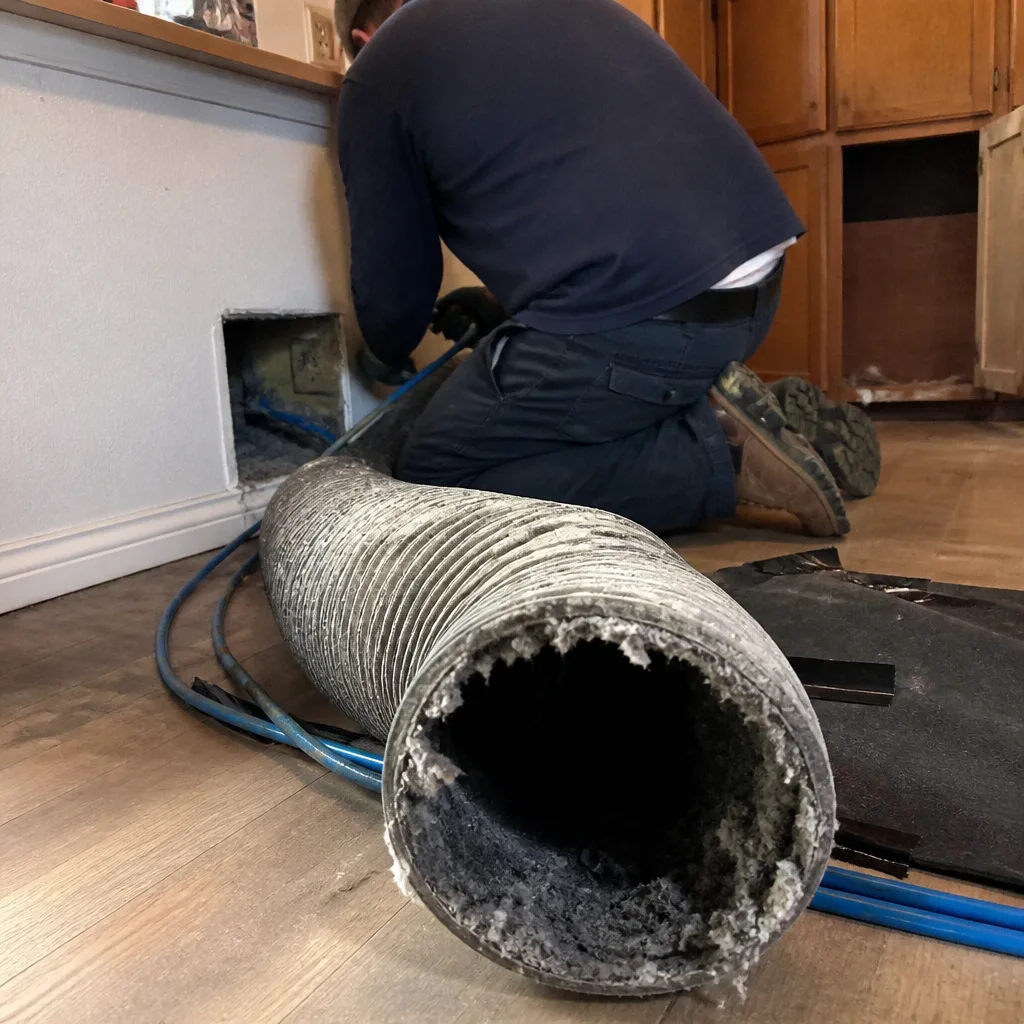 Before
 After
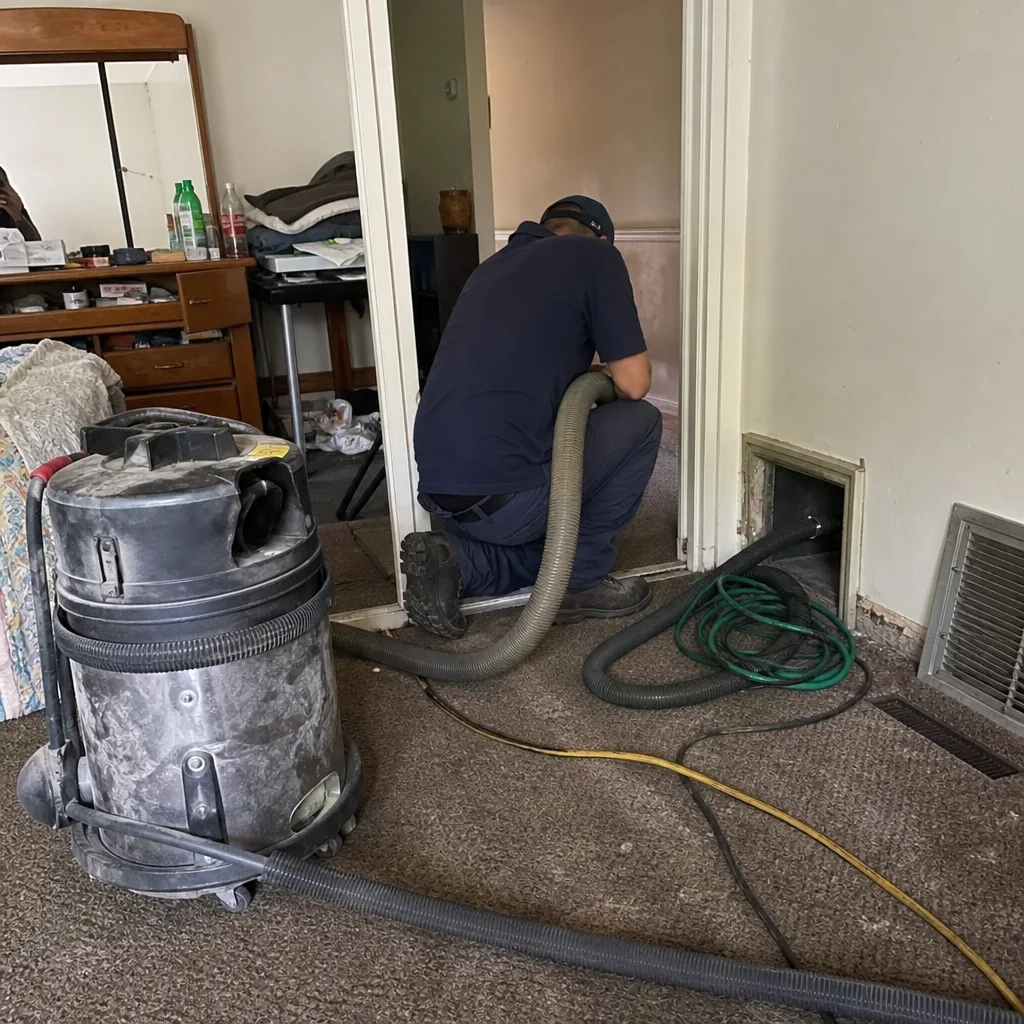 Before
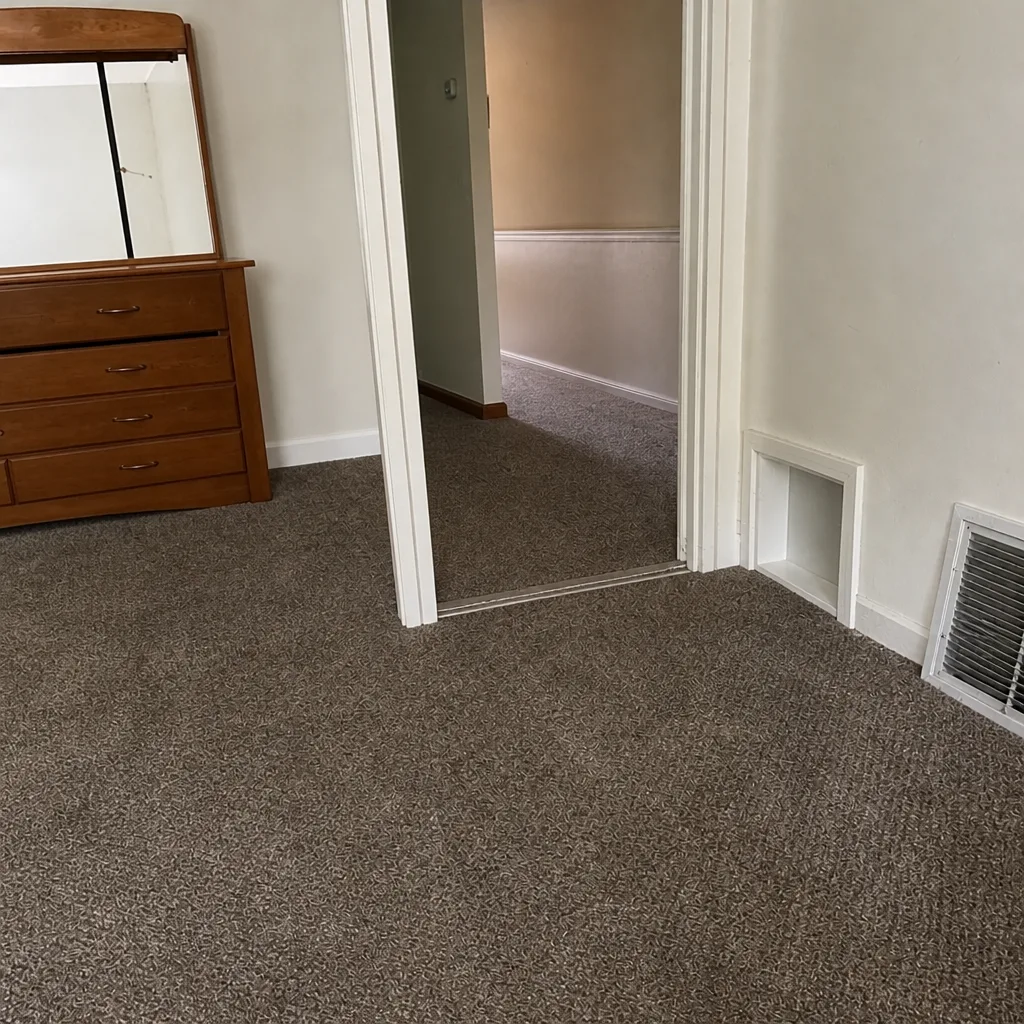 After
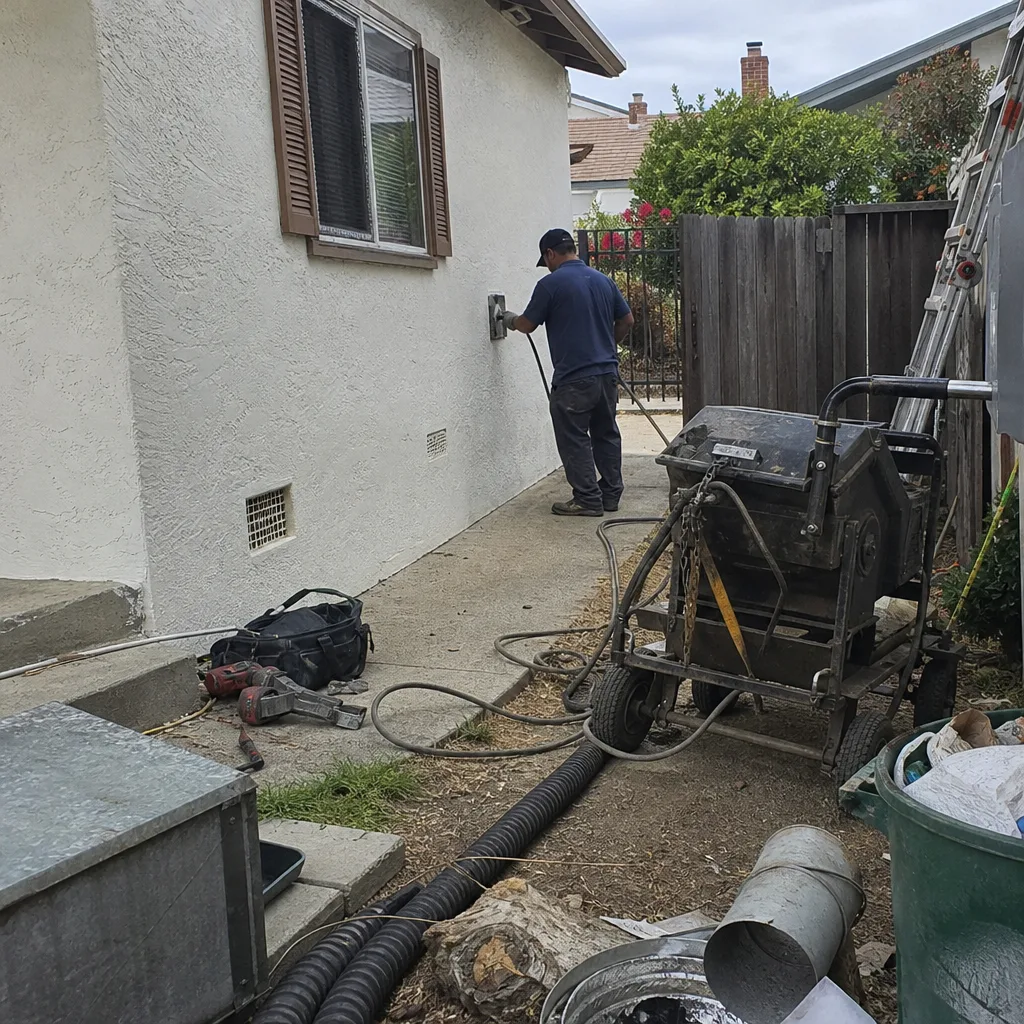 Before
 After
When to Call a Professional
Call a professional when you see a combination of signs that point toward the duct system rather than a single, mild symptom. Weak airflow in one or more rooms plus a musty odor when the system runs is a reason to book an inspection. Dust accumulating quickly on the register grilles after cleaning is another. Any suspicion of mold, evidenced by the odor-humidity-staining combination, should be evaluated rather than ignored. Visible debris in the first section of duct, a burning smell that persists beyond the first few minutes of operation, or a system that’s running longer than it used to for the same comfort, all justify a professional look. San Leandro homeowners can call Duct Cleaning San Leandro at (855) 356-5880 for a free estimate. We answer 24/7. Fast dispatch from 7am to 7pm, Sunday through Friday.
Frequently Asked Questions
The earliest signs are usually performance-related: a room that stops heating or cooling as well as it used to, a system that runs longer to reach the same temperature, or a musty smell that appears when the HVAC starts. Visible dust at the registers is a later sign that means debris has already accumulated throughout the system. If you’re noticing these patterns in your San Leandro home, call us at (855) 356-5880 for a free estimate.
That pattern points directly at the duct system. The smell is coming from something inside the ducts, most likely accumulated debris that has absorbed moisture, and the blower is pushing it into your living space. When the system is off, the smell stays contained. When it runs, the air moves across whatever is causing the odor and distributes it through the registers. This is a common sign in San Leandro homes where attic duct runs experience condensation during the summer cooling season.
You can’t confirm mold by sight alone, but you can recognize the conditions that make it likely. The combination of a persistent musty odor, visible humidity or moisture around the duct system, and dark staining at the supply registers is a strong indicator that mold growth is possible. If you have all three signs, book a professional inspection rather than waiting. The cost of evaluation is low compared to letting the situation continue.
They can, and the pattern is usually specific. If allergy symptoms worsen within 15 to 30 minutes of the HVAC starting, improve when you leave the house, and return when you come back, the indoor environment is a likely trigger. Dust, pollen, pet dander, and mold spores all circulate through the duct system when it runs. Cleaning the ducts removes a reservoir of those particles and keeps the system from redistributing them every cycle. Call (855) 356-5880 to discuss what you’re experiencing.
Most homes benefit from professional duct cleaning every three to five years, though several factors can shorten that interval. Homes with pets, recent renovation work, household members with respiratory conditions, or a history of moisture issues may need cleaning more frequently. The best guide is not the calendar but the warning signs: if you’re seeing, smelling, or feeling the symptoms described in this guide, the ducts need attention regardless of when they were last cleaned.
Ask what equipment will be used and how the work will be verified. A professional company uses rotary brush agitation and HEPA-filtered vacuum collection, provides before-and-after camera documentation, and can address repairs found during cleaning without referring you to another contractor. Duct Cleaning San Leandro operates Rotobrush and Nikro equipment, carries Abatement Technologies air-scrubbing units for higher-contamination scenarios, and offers air duct repair alongside cleaning. That full scope matters when a cleaning reveals a problem that needs fixing.
The Bottom Line
The most dangerous duct problems don’t start with visible dust. They start with a room that won’t cool, a smell that comes and goes, a cough that only happens at home. San Leandro homeowners who catch these early signs can address duct contamination before it becomes a visible, obvious, and harder-to-fix problem. The tools for diagnosis are simple: pay attention to performance changes, learn what different odors mean, track health symptoms against HVAC operation, and do a basic register inspection. When the signs point toward the ducts, the next step is professional evaluation with the right equipment. Duct Cleaning San Leandro offers free estimates in San Leandro. Call (855) 356-5880. We answer 24/7. Fast dispatch from 7am to 7pm, Sunday through Friday.
Written by the team at Duct Cleaning San Leandro, serving San Leandro since 2018.