
Last updated November 4, 2026
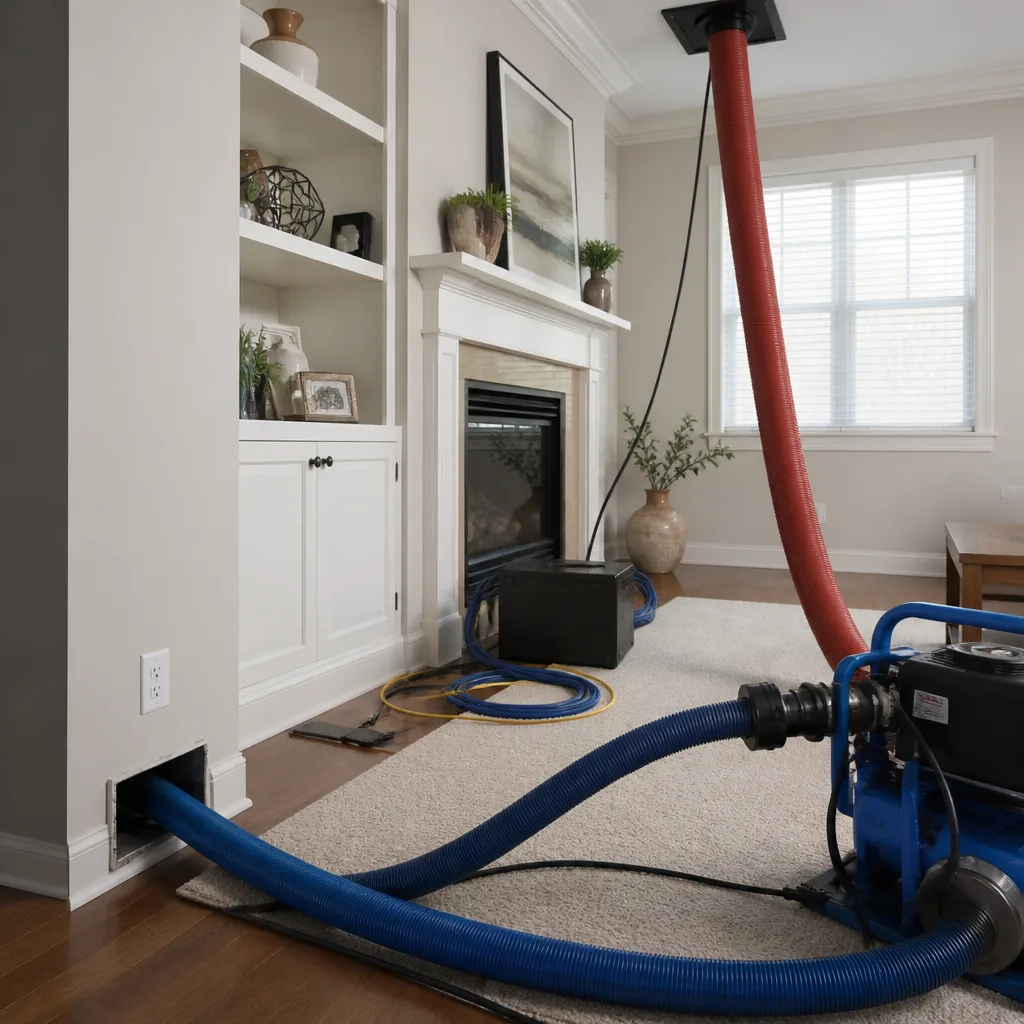 Whole-home duct cleaning
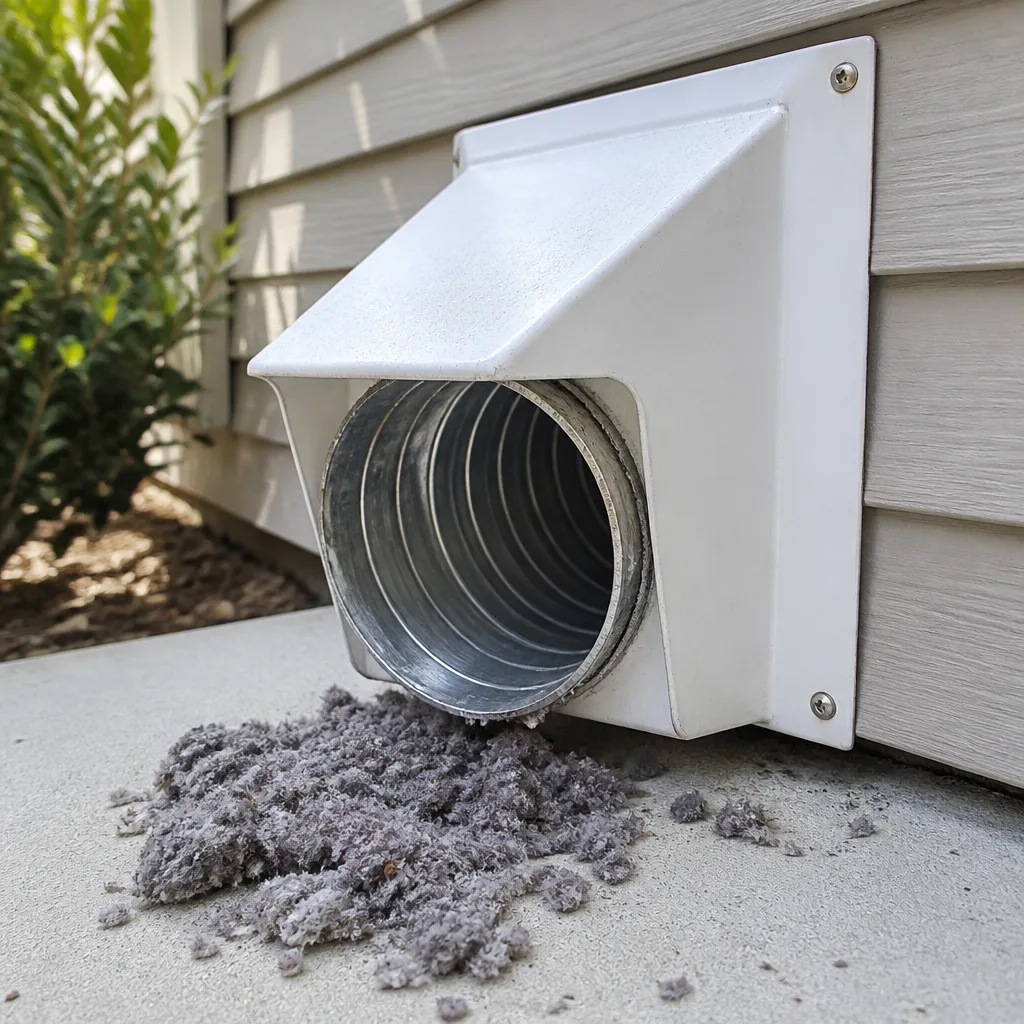 Dryer vent cleaning
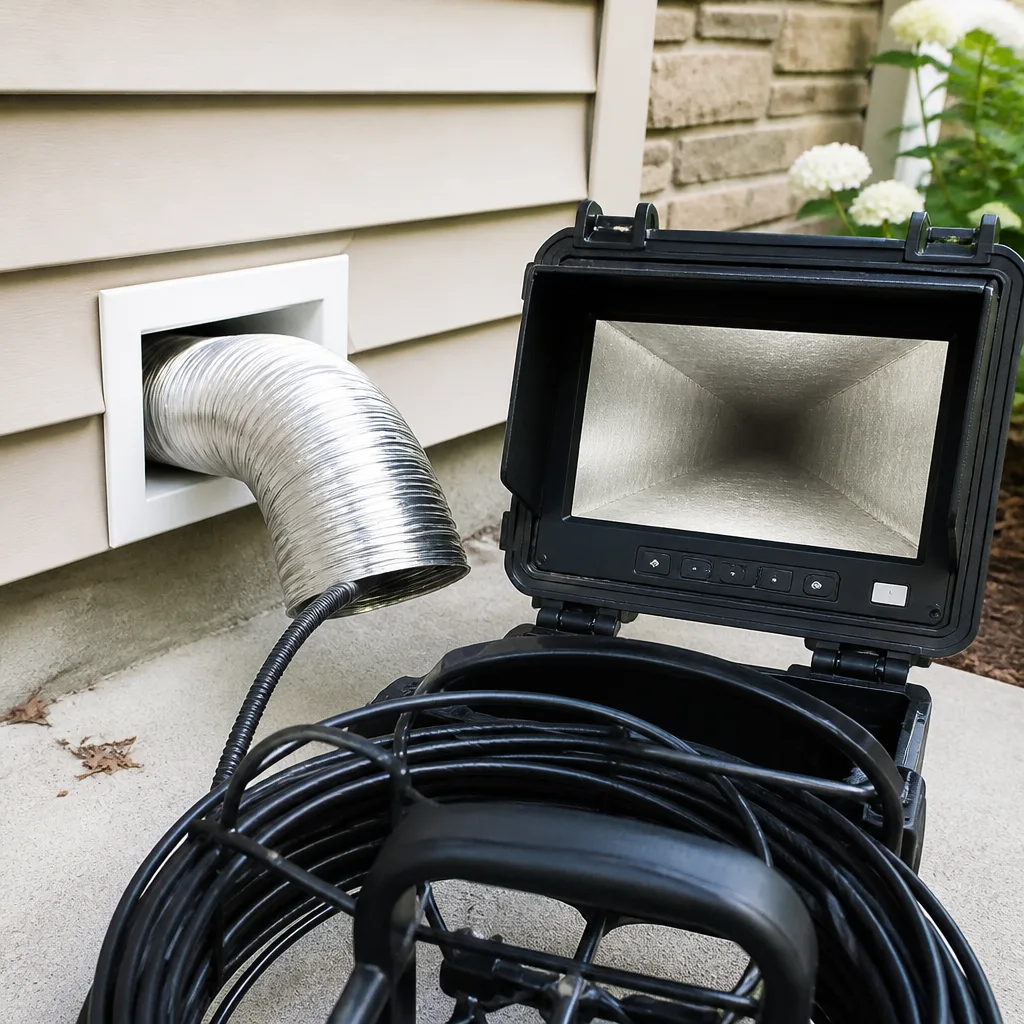 Camera inspection
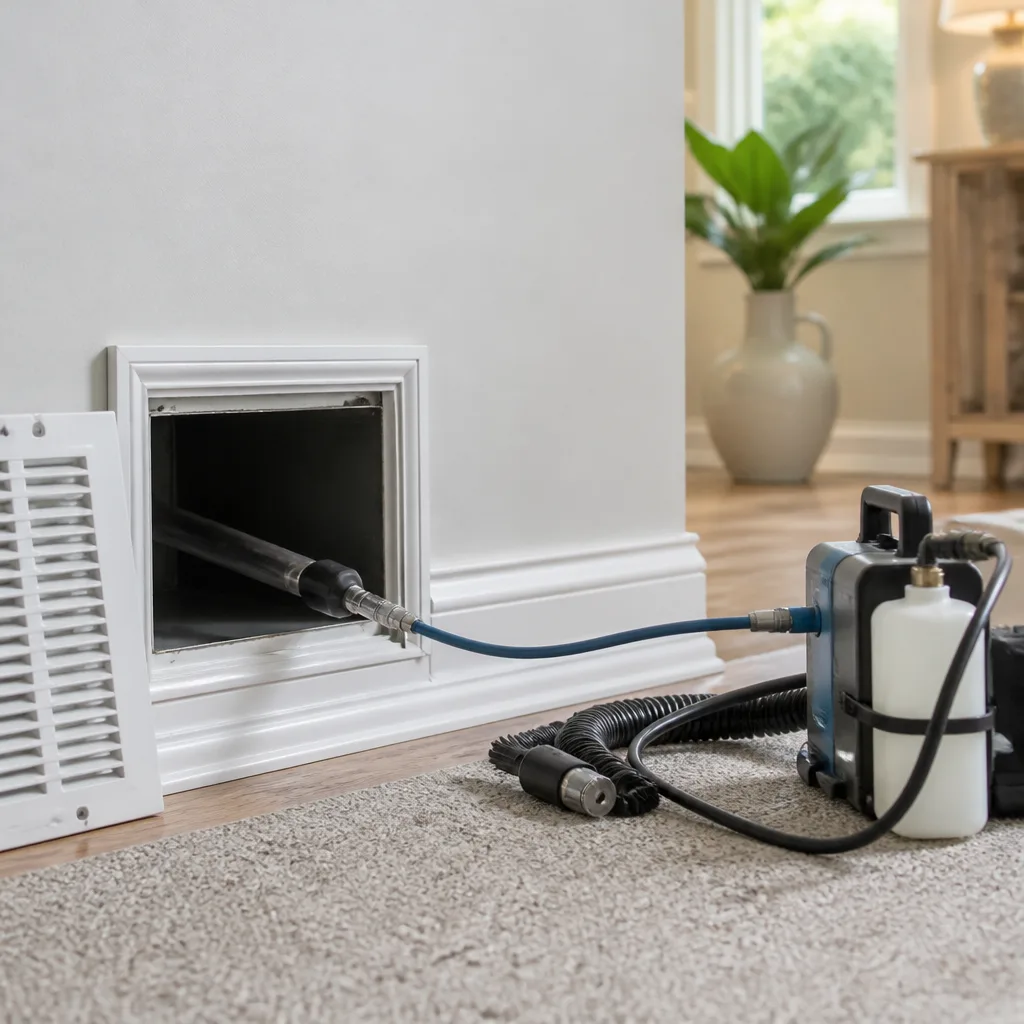 Sanitizing & deodorizing
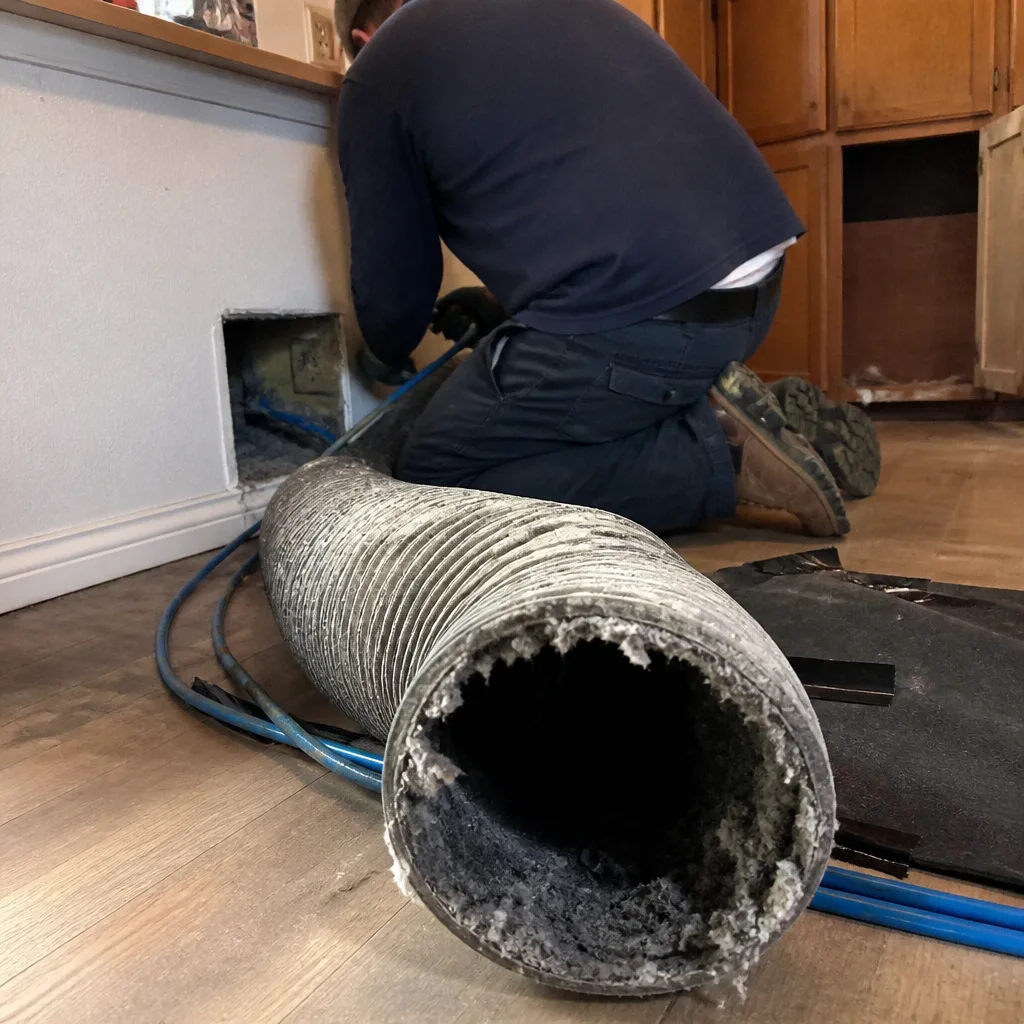
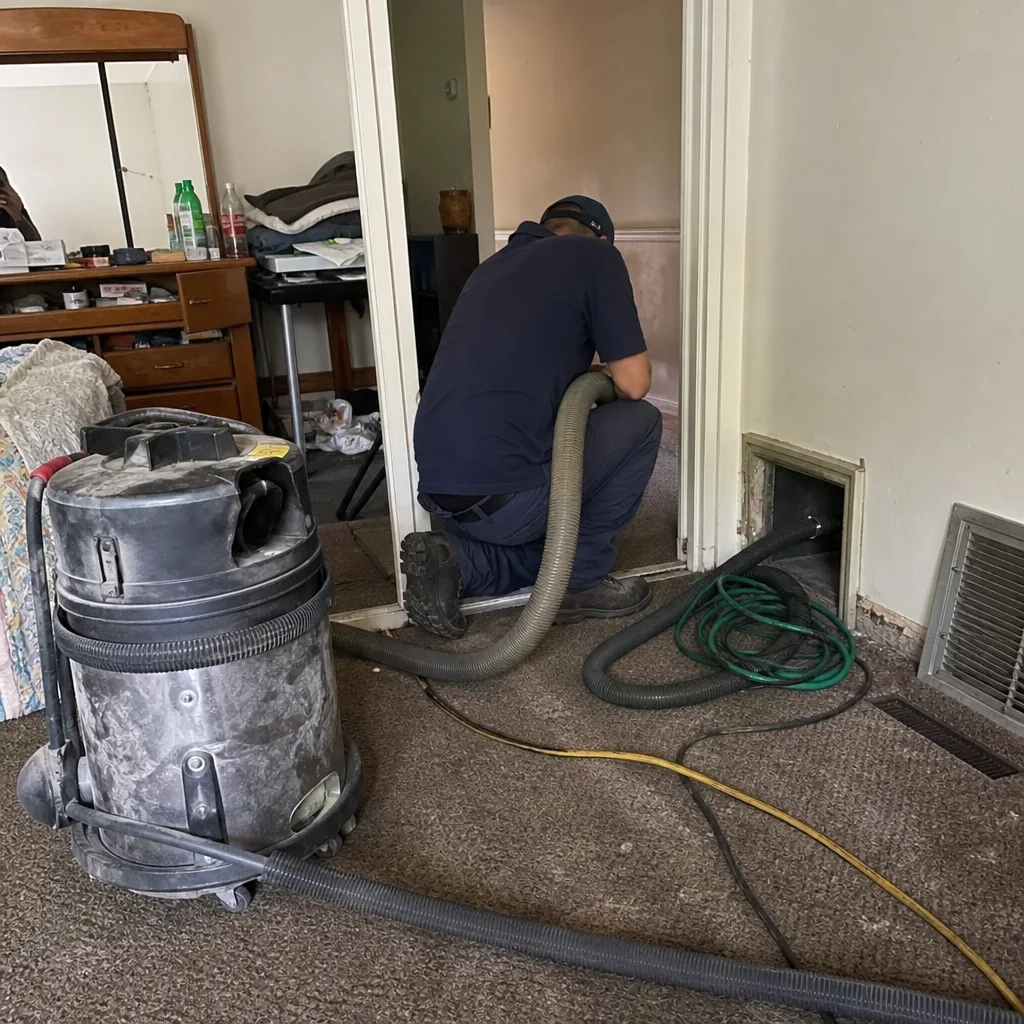
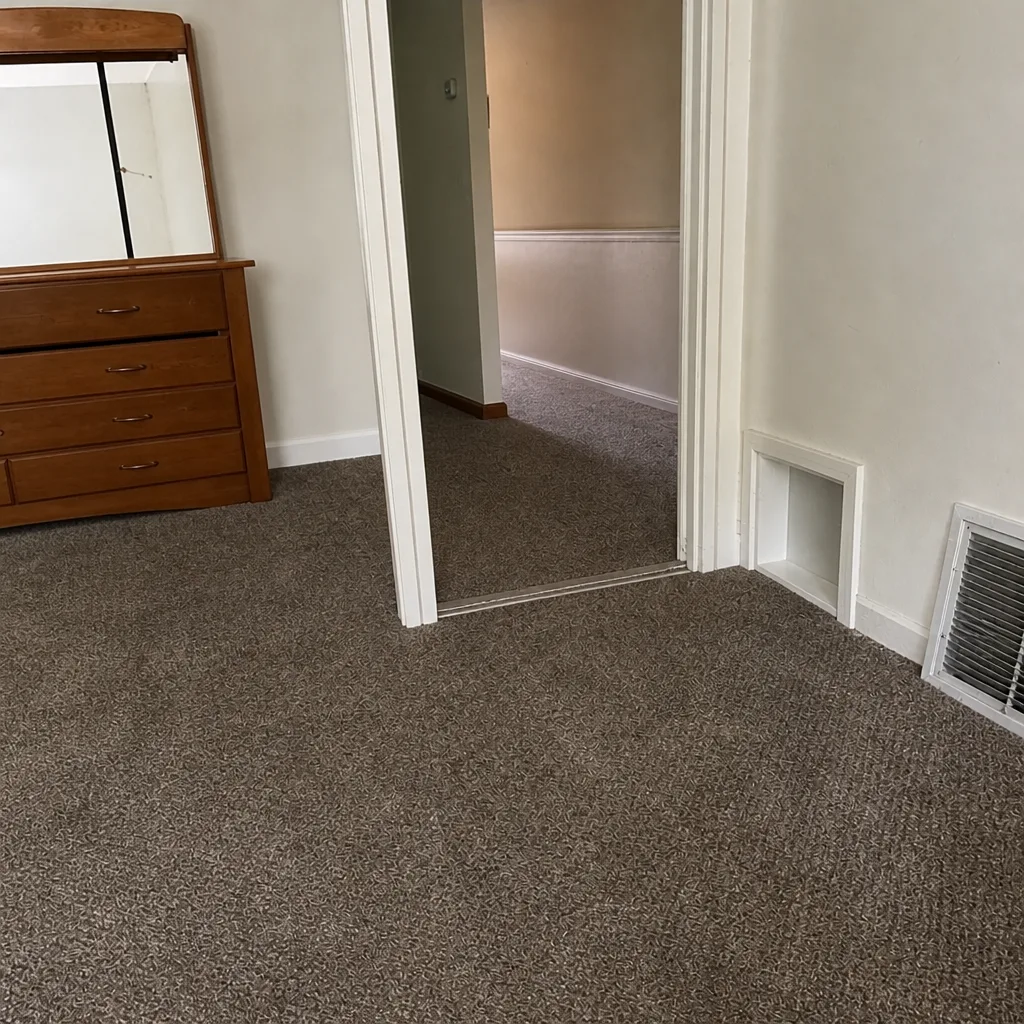
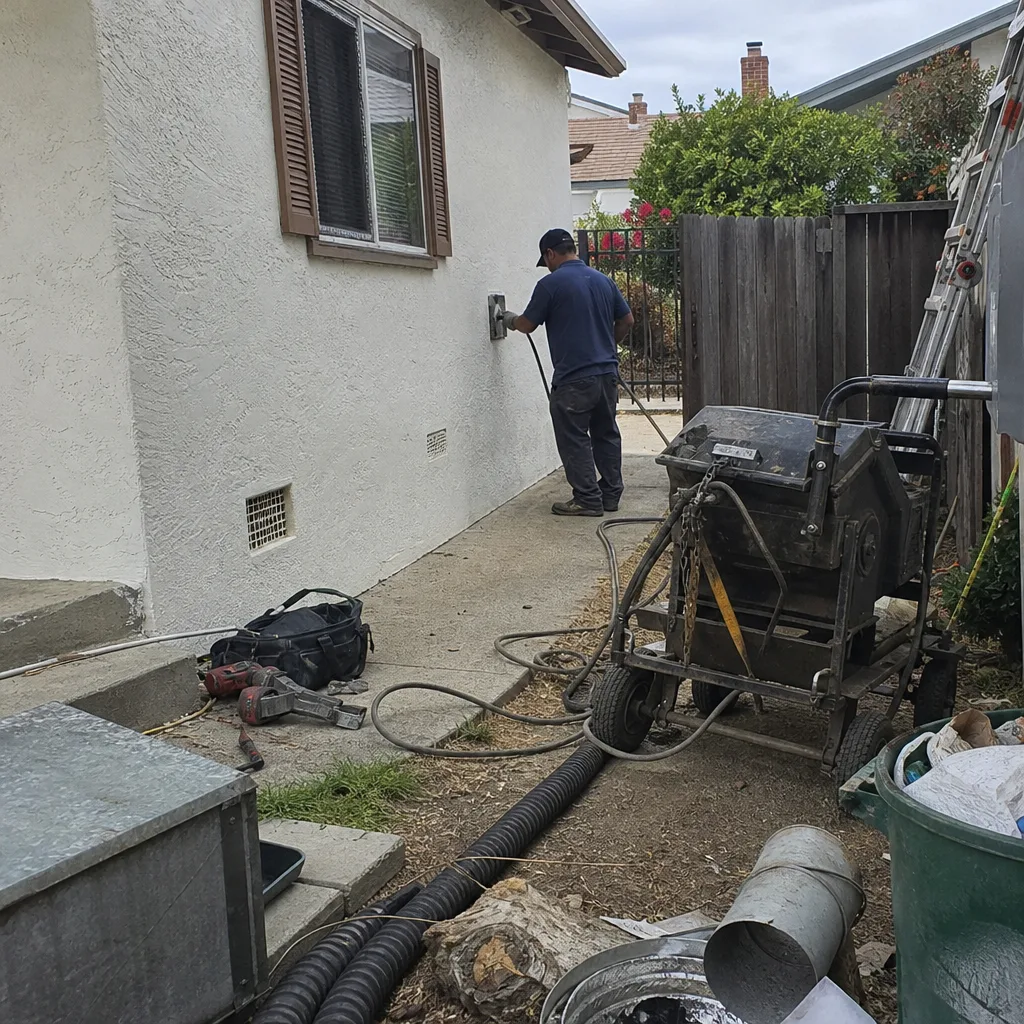
Whole-system duct and dryer vent check with before-and-after photos - you see exactly what came out of your vents
That "$99 whole-house special" is a bait ad - the real number appears once they are in your hallway, or the "clean" is a shop-vac at the register. We photograph the inside of your ducts before and after instead.
Air Duct Cleaning Troubleshooting in San Leandro: Common Problems and How to Fix Them
If you’ve already swapped the return-air filter and the musty smell is still there, the filter was never the problem. Most duct issues in San Leandro homes trace back to three or four root causes that a filter cannot touch: accumulated debris inside the duct walls, mold colonies feeding on that debris, or physical damage like crushed flex runs and disconnected joints. This guide walks you through how to match the symptom you’re seeing to its actual cause, what you can check yourself with a flashlight and a phone camera, and when the right move is to stop diagnosing and call a professional.
Quick Answer
Air duct problems in San Leandro fall into two categories: cleaning issues, which respond to professional-grade rotary brush and HEPA-vacuum cleaning, and structural issues, which require repair before cleaning will do anything. Common symptoms include persistent musty odors, weak airflow from specific vents, visible dust accumulation around registers, and rattling or popping noises when the system cycles. The fastest way to know which category you’re dealing with is a visual inspection of accessible duct sections, which we explain below.
Styles & brands we work with
- Whole-home duct cleaning
- Dryer vent cleaning
- Camera inspection
- Sanitizing & deodorizing
Table of Contents
- Symptom-to-Cause Matrix: Duct System vs. HVAC Unit
- Why San Leandro’s Humidity Creates Mold Conditions in Ducts
- How to Inspect Your Ducts with a Flashlight and Phone Camera
- Cleaning Problem vs. Repair Problem: Knowing the Difference
- When a Duct Problem Is Urgent vs. When You Can Schedule
- Why the Cleaning Equipment Actually Matters
- Dryer Vent Troubleshooting: A Separate Risk Profile
- Common Mistakes to Avoid
- When to Call a Professional
- Frequently Asked Questions
Symptom-to-Cause Matrix: Duct System vs. HVAC Unit
Before you pay for any service, you need to know whether the problem lives in your ductwork or in the HVAC unit itself. These two systems fail differently, and spending money on the wrong fix wastes time and cash. Here’s the matrix we use when talking to homeowners in San Leandro:
- Musty or earthy odor that gets stronger when the system runs: Almost always a duct-system issue. Mold and mildew colonize the organic dust inside duct walls, and airflow distributes the smell through every register. If the smell is constant, suspect the ducts. If it only appears when the AC first kicks on, it could be a dirty evaporator coil in the unit itself.
- Dust accumulating on surfaces within days of cleaning: Duct-system issue. Your ducts are either holding a large dust load or have developed leaks that pull attic or crawlspace air into the return side. Leaks are a repair problem, not a cleaning problem.
- Weak airflow from one or two specific rooms: Could be either, and this is where most misdiagnosis happens. A crushed flex duct or disconnected joint in the attic causes exactly this symptom. So does a failing blower motor or a severely clogged coil. If multiple rooms are affected, look at the unit. If it’s one room, look at the duct run serving it.
- Rattling, popping, or banging when the system starts or stops: Duct-system issue, usually. Sheet metal expands and contracts with pressure changes. Popping often means an undersized or poorly supported duct section. Rattling can mean loose debris inside the duct or a loose joint.
- Uneven temperatures between upstairs and downstairs or front and back of the house: Usually a duct design or leakage problem, not dirt. Cleaning will not fix airflow imbalances caused by long flex runs, kinked ducts, or undersized returns.
Here’s the practical takeaway: if the symptom is odor or dust, a professional air duct cleaning likely addresses it. If the symptom is weak airflow from specific rooms or unusual noise, you need someone who can also Duct Cleaning San Leandro will explain, repair ductwork. That distinction saves you from paying for a cleaning that cannot fix a structural problem.
Why San Leandro’s Humidity Creates Mold Conditions in Ducts
San Leandro sits close enough to the Bay to carry real humidity through much of the year. That moisture matters because the inside of an air duct is a perfect mold nursery when three conditions line up: organic material, which is just household dust and skin cells; consistent moisture, which the Bay’s marine layer supplies; and darkness. Your ducts check all three boxes.
The problem is that mold growth in ducts looks almost identical to simple dust buildup at first. Both present as a dark, uneven coating on the interior surfaces. Without a professional inspection, it’s easy to mistake one for the other. So how do you tell them apart before scheduling service?
The one visual check that separates dust from microbial growth is texture and pattern. Dust settles in a flat, even layer, heavier on the bottom of horizontal duct runs and lighter on the top. Mold grows in spots and patches, often with a raised, fuzzy, or web-like texture, and it appears on all surfaces including the sides and top. If you’re inspecting with your phone camera and you see patchy clusters rather than an even film, you’re likely looking at microbial growth, not accumulation.
This distinction matters because the treatment differs. Plain dust responds to mechanical agitation and HEPA vacuuming. Microbial growth requires a more aggressive approach, which is why our trucks carry Abatement Technologies air-scrubbing units alongside Rotobrush rotary brush systems and Nikro HEPA rigs. Those are the same tools used in commercial and remediation work, and they’re the difference between masking a mold problem and removing it.
How to Inspect Your Ducts with a Flashlight and Phone Camera
You don’t need to be a technician to gather useful information before your first call. A basic inspection of accessible duct sections gives you photos to send us and helps you understand what you’re actually paying for. Here’s the step-by-step approach we recommend to homeowners in San Leandro:
- Turn off the system at the thermostat. You want no airflow while you’re inspecting. Air moving through the duct kicks up dust and makes photography difficult.
- Choose your inspection points. The best spots are floor registers, wall registers, and any visible return grille. Remove one or two in different rooms, not all of them. You want a representative sample.
- Shine a flashlight at an angle against the duct wall. Perpendicular light hides texture. Angled light casts shadows that reveal whether the buildup is flat or patchy. This is the single most important technique in the whole inspection.
- Photograph what you see. Use your phone’s camera with the flash on, and hold it just inside the register opening. Aim the lens down the duct run and toward the trunk line if possible. Take three photos per register from slightly different angles.
- Look for physical damage while you’re there. A collapsed flex duct, a disconnected joint, or a kink near a support strap will show as an obvious irregularity. Document it with photos.
- Send the photos to us before your appointment. Clear photos let an air duct cleaning technician prepare for what they’re walking into, including whether they need repair materials on the truck.
One caution: if you see anything that looks like rodent droppings, nests, or extensive fuzzy growth, stop the inspection and don’t disturb the area. That’s a biohazard scenario and an urgent one. More on that below.
Cleaning Problem vs. Repair Problem: Knowing the Difference
Crushed flex duct and disconnected joints cause the same symptoms as dirty ducts: weak airflow, dusty rooms, and uneven temperatures. But cleaning won’t fix either one. If your ductwork is physically compromised, no amount of rotary brush agitation or HEPA vacuuming will restore proper airflow. The air will simply keep bypassing the ducts through the same gaps.
Here’s how to tell the two apart before you spend money:
- Age of the symptoms. Dirt problems develop slowly over months and years. Structural problems tend to appear suddenly. If your back bedroom went from fine to stuffy in a week, something changed physically, not gradually.
- Which rooms are affected. Dust and odor problems affect the whole house. A crushed duct usually affects one room or one zone. If one bedroom is dusty and the others are not, look at the duct run feeding that bedroom.
- What you find during inspection. A flashlight inspection will often reveal the physical problem directly. Look for sagging flex duct, gaps at joints, or kinked sections where the duct bends around a framing member.
This is why we built air duct repair into our core service alongside cleaning. Most duct cleaners in the San Leandro market will clean your ducts and leave, and if they find a disconnected joint, they’ll tell you to call an HVAC company. We clean it and fix it on the same visit. Our trucks carry the materials and tools for common duct repairs, which means you’re not coordinating two contractors for one problem.
When a Duct Problem Is Urgent vs. When You Can Schedule
Not every duct problem demands immediate attention, and knowing the difference saves you money and stress. Most cleaning situations in San Leandro have a reasonable scheduling window. Others do not.
Schedule when you can, but don’t wait months: persistent dust accumulation, mild musty odor that fluctuates with humidity, weak airflow in one room without other symptoms, or general system noise. These are quality-of-life issues that a cleaning or minor repair resolves, but they don’t pose an acute risk.
Treat as urgent: odors following rodent activity, visible microbial growth that appears fuzzy or patchy, or any symptom that appeared suddenly after a water event like a roof leak or plumbing failure. Rodent odors mean droppings and nesting material inside your ducts, which is both a respiratory irritant and a biohazard. Visible mold growth means spores are circulating through your home with every cycle. Both warrant prompt attention.
If you suspect rodents, a dryer vent cleaning and duct inspection should happen together. Rodents often travel between exhaust vents and duct systems, and clearing one without the other leaves the problem half-solved.
Why the Cleaning Equipment Actually Matters
Most homeowners in San Leandro don’t realize how much variation exists in duct cleaning equipment, and how much that variation affects results. The difference between a thorough cleaning and a superficial one comes down to agitation and capture.
Consumer-grade duct cleaning means a technician shows up with a shop vac and a brush on a drill. That removes loose dust from the first few feet of the duct, but it cannot agitate debris bonded to the duct walls, and it has no meaningful filtration. What gets sucked in gets blown back out through the shop vac’s exhaust. You pay for a cleaning and get dust redistribution.
Professional-grade cleaning means real agitation and true HEPA capture. Our Rotobrush rotary brush systems mechanically scrub the duct walls, breaking loose the film of dust and debris that builds up over years. The Nikro HEPA-vacuum rig then captures that material at the point of contact, so it leaves your house rather than resettling in other ducts. For higher-contamination scenarios, like mold-adjacent situations or post-renovation debris, Abatement Technologies air-scrubbing units add another layer of filtration between you and what’s in the ducts.
We also work around Honeywell and Aprilaire whole-home air quality systems, which many homeowners in San Leandro have installed as part of their HVAC setup. If you’ve invested in a whole-home filtration system, the last thing you want is for a duct cleaning to compromise it. We know these systems and clean around them, not through them.
Dryer Vent Troubleshooting: A Separate Risk Profile
Dryer vents are technically separate from your HVAC ducts, but we include them here because homeowners often lump them together. The troubleshooting logic is different, and the stakes are higher. The National Fire Protection Association recognizes dryer vent maintenance as a leading fire-hazard prevention measure, not an optional add-on.
Here’s the symptom-to-cause breakdown for dryer vents:
- Clothes take longer than one cycle to dry: Restricted airflow. Lint has built up inside the vent pipe, or the exterior vent flap is stuck. This is the single most common dryer vent problem we see across San Leandro and it costs you money in energy every single load.
- The dryer gets unusually hot to the touch: Serious restriction. The dryer is overheating because it cannot exhaust properly. This is a fire-risk condition, not a nuisance.
- The laundry room gets humid when the dryer runs: A disconnected vent or a gap in the pipe. Moist air is exhausting into your home instead of outside. This is a repair issue plus a cleaning issue.
- Burning smell while drying: Stop using the dryer immediately. This indicates lint inside the unit or the vent has ignited or is close to igniting.
The fix for the first three is a professional dryer vent cleaning combined with an inspection of the full vent run. We use the same professional approach here as with duct systems: agitation to break the lint free, HEPA capture to remove it from your home, and inspection of the vent path for damage or disconnection.
Common Mistakes to Avoid
- Assuming a new filter fixed the underlying problem. The filter protects the HVAC unit from the air moving through it, not the ducts from accumulating dust. If the ducts were dirty before the filter change, they’re dirty after it.
- Paying for a cleaning when you actually need a repair. If your inspection reveals crushed flex duct or a disconnected joint, a cleaning alone won’t restore proper airflow. You need both, and you need them in the right order: repair first, then clean.
- Using an HVAC company for duct repair and a separate cleaner for the cleaning. This means two appointments, two scheduling windows, and two service calls. A company that handles both does it in one visit.
- Ignoring dryer vent maintenance because the dryer still works. Lint accumulates gradually, and the first symptom of a serious problem is sometimes the last one. If your dryer takes twice as long as it used to, the vent is already significantly restricted.
- Panicking over normal dust and calling for remediation-level service. Most homes have dust accumulation. Remediation is for confirmed mold growth, rodent contamination, or water damage. Know which situation you’re in before you pay for it.
- Trying to clean ductwork yourself with consumer tools. You cannot reach more than a few feet into the duct from a register, and you cannot capture dust without professional HEPA filtration. DIY attempts move dust around and give you the impression of progress without the result.
When to Call a Professional
The right time to call is when your inspection identifies the problem as something beyond what a new filter or a visual check can address. If you’ve found patchy growth rather than flat dust, if you’ve found crushed or disconnected duct sections, if you’ve got rodent activity, or if you’ve simply confirmed that the ducts are holding a significant dust load, the path forward involves professional equipment. Duct Cleaning San Leandro offers free estimates in San Leandro. Call (855) 356-5880 and tell us what you found, including the photos from your flashlight inspection if you have them. We answer 24/7. Fast dispatch from 7am to 7pm, Sunday through Friday.
Frequently Asked Questions
You likely need cleaning if you see dust accumulation around registers that returns quickly after cleaning, if you smell a musty odor that strengthens when the system runs, or if your flashlight inspection reveals a visible dust layer inside the ducts. If the symptom is weak airflow from one room without any dust or odor, you may have a repair issue instead, and we’d want to inspect before recommending any service.
Cost depends on home size, number of systems, and the condition of the ductwork, and the final price is set by a written estimate before any work begins. We don’t quote per-vent prices or teaser figures because that’s how bait-and-switch pricing works. Call (855) 356-5880 for an exact quote based on your system. Estimates are free.
Cheaper quotes usually mean less equipment, less time, and different results. A shop vac and a brush cannot agitate bonded debris or capture fine particles, and you’ll pay twice when the problem returns. The equipment matters more than the price, and the brands tell you what you’re getting: Rotobrush, Nikro, and Abatement Technologies are commercial-grade tools, not consumer cleaning gear.
Ask for before-and-after photos of your own ducts from the inspection ports the technician uses. A professional crew should be able to show you interior duct surfaces before and after the cleaning. If a company can’t produce photos of your actual system, ask why.
Most homes in San Leandro benefit from cleaning every three to five years, but humidity, pets, renovation history, and whether anyone in the home has respiratory sensitivities all shift that timeline. If you’ve had a water event, rodent activity, or major construction dust in the home, cleaning should happen sooner regardless of the calendar.
Yes. We work with and around Honeywell, Aprilaire, and Guardsman-branded filtration components during cleaning, and we won’t compromise an existing IAQ investment. Tell us what system you have when you call so the technician arrives knowing what to expect.
The Bottom Line
Most duct problems in San Leandro can be traced to one of two things: what’s inside the ducts or what’s structurally wrong with the ducts themselves. The first requires agitation and true HEPA capture, the kind of cleaning that comes from professional-grade equipment rather than a shop vac. The second requires repair, because no cleaning removes airflow restrictions caused by crushed flex runs or disconnected joints. If you’ve worked through the inspection steps and you’re looking at either situation, the fix is a single call to a company that handles both. Call (855) 356-5880. We answer 24/7. Fast dispatch from 7am to 7pm, Sunday through Friday.
Written by the team at Duct Cleaning San Leandro, serving San Leandro since 2018.
See the difference
 Before
 After
 Before
 After
 Before
 After