
Last updated November 5, 2026
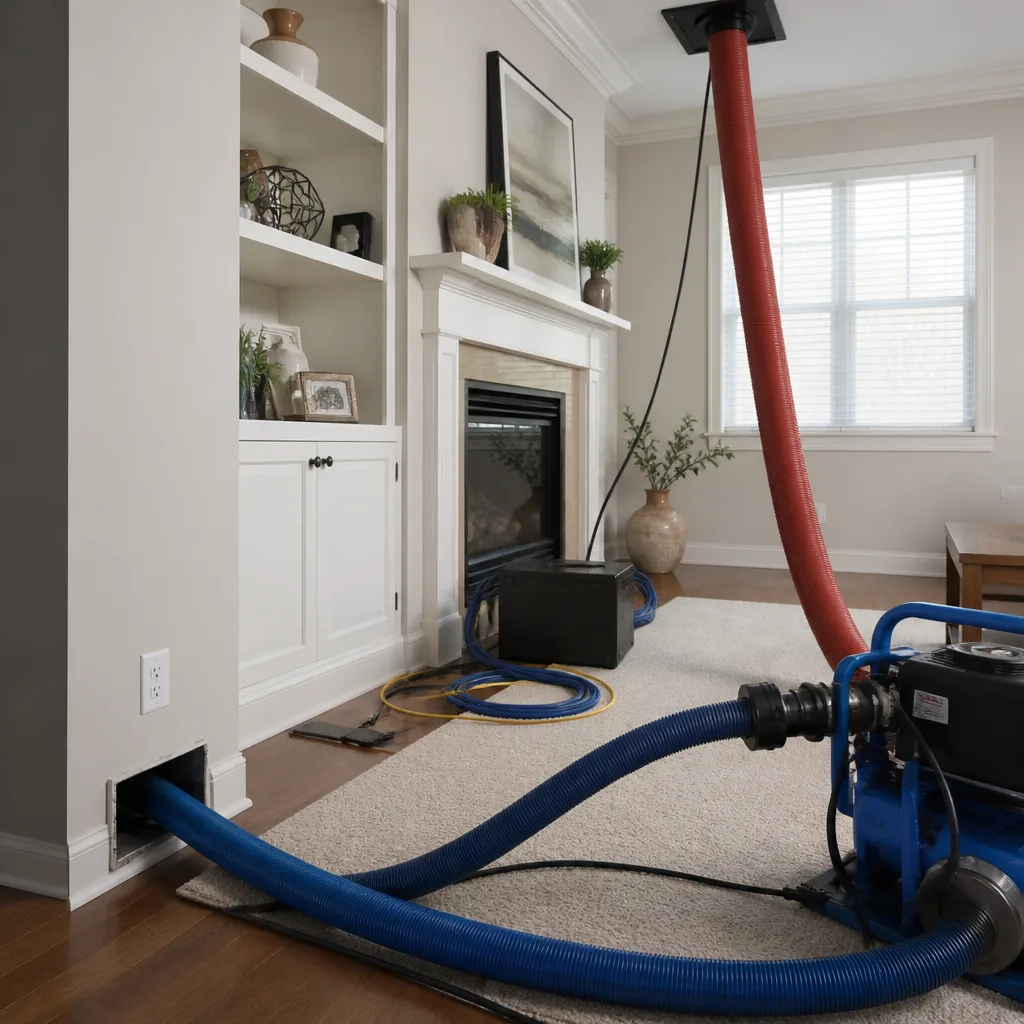 Whole-home duct cleaning
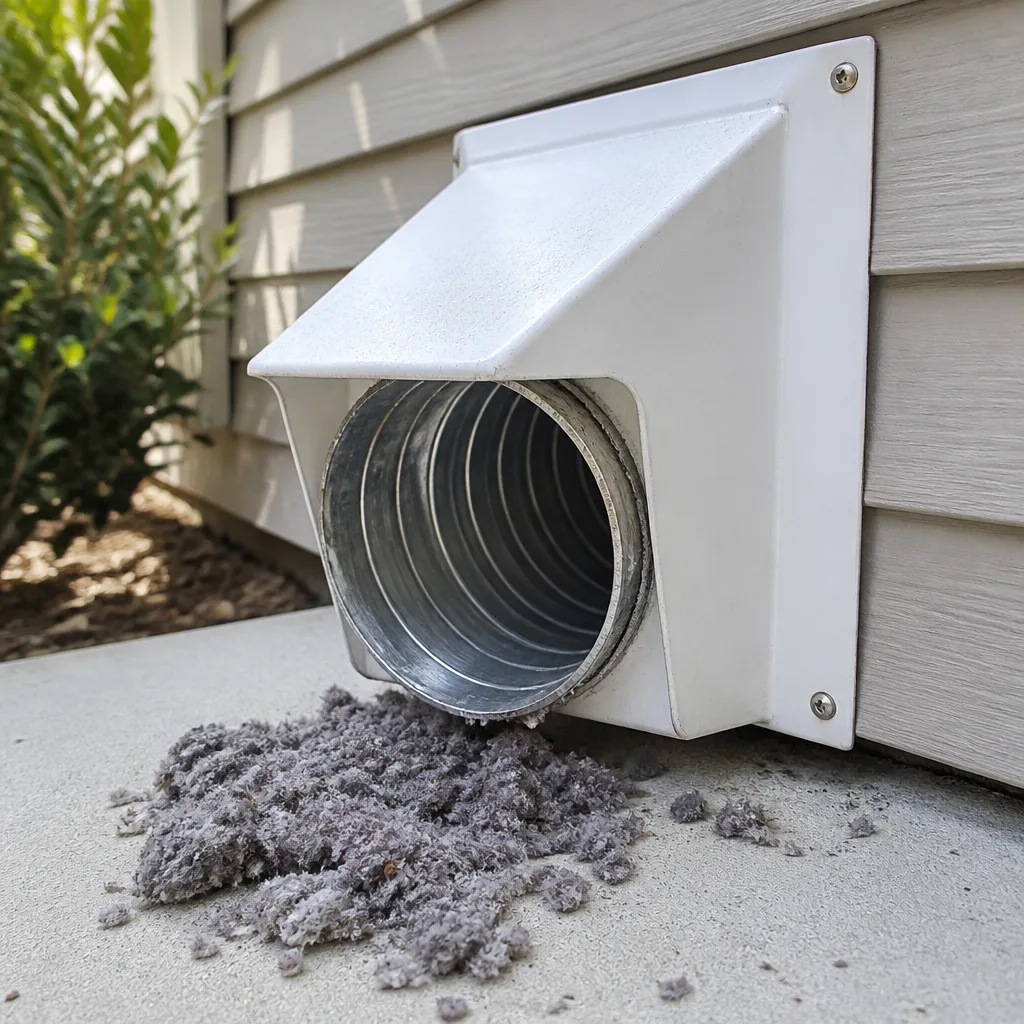 Dryer vent cleaning
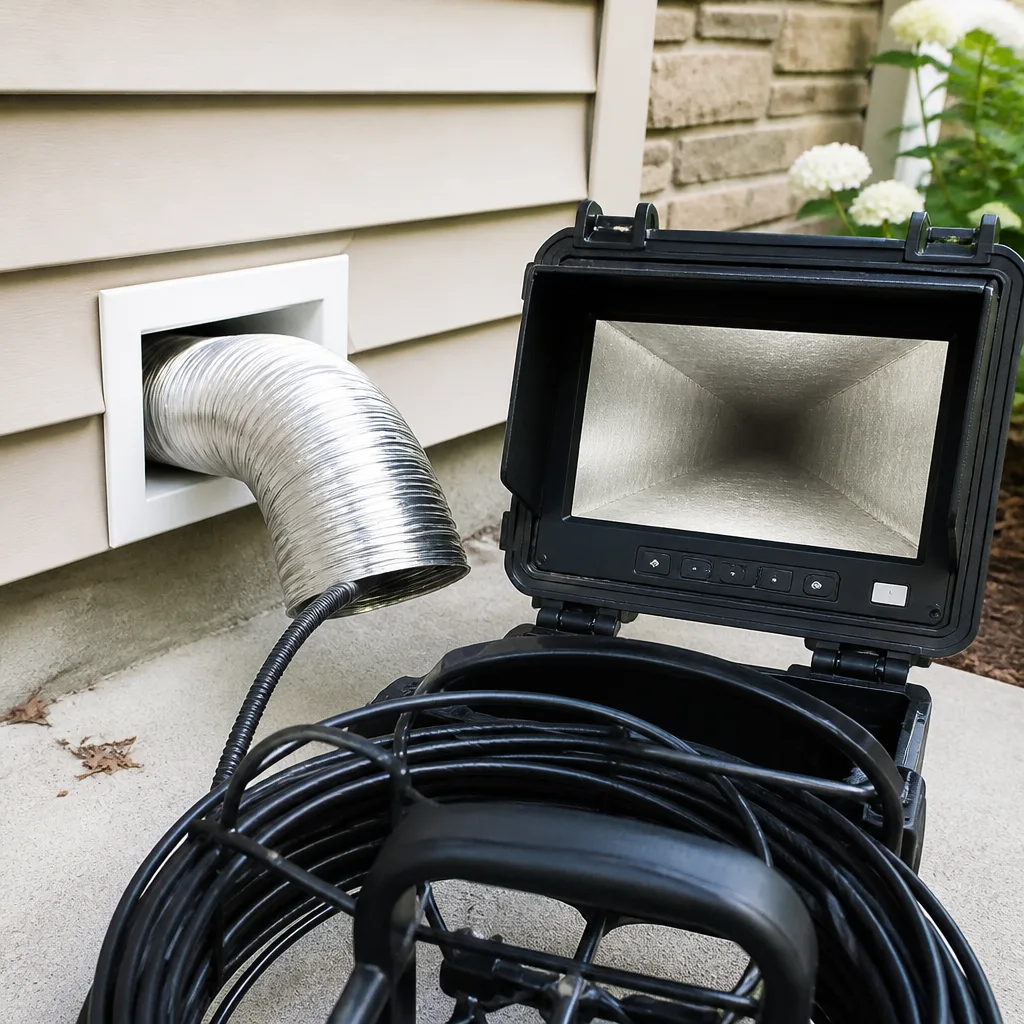 Camera inspection
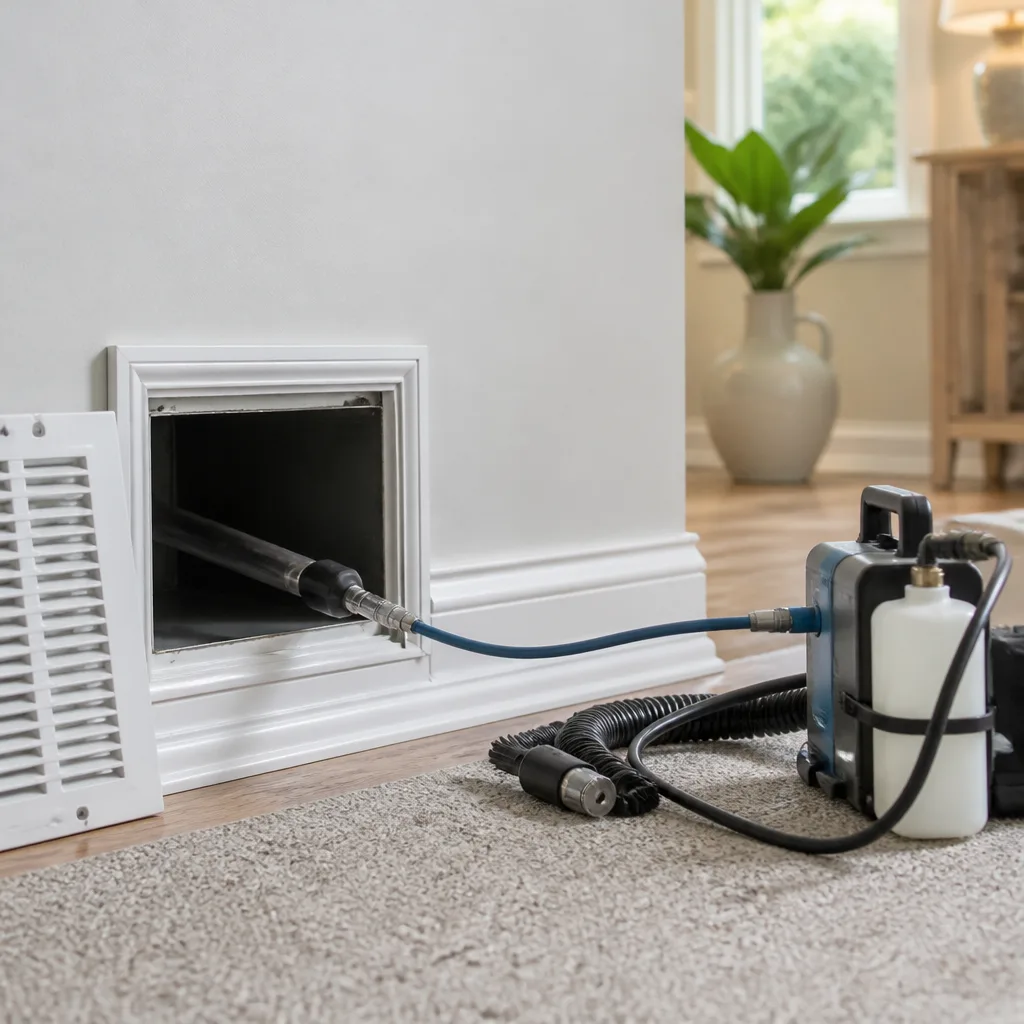 Sanitizing & deodorizing
Whole-system duct and dryer vent check with before-and-after photos - you see exactly what came out of your vents
That "$99 whole-house special" is a bait ad - the real number appears once they are in your hallway, or the "clean" is a shop-vac at the register. We photograph the inside of your ducts before and after instead.
Air Duct Cleaning Permits, Codes & Inspections in San Leandro, CA: What You Need to Know
Most homeowners assume air duct cleaning is a service call like carpet cleaning: no permits, no inspections, no paperwork. That assumption holds right up until a technician finds a disconnected duct run, a crushed return, or a plenum that has pulled away from the air handler. The moment repair work enters the picture, California building code enters with it. This guide explains exactly where that line sits in San Leandro, what Alameda County adds on top of state code, and the documentation you should keep when the job is done.
Quick Answer
Routine air duct cleaning in San Leandro does not require a permit. Duct repair, replacement, or modification that alters the system generally does, under California Mechanical Code Section 504, and must be done by a properly licensed contractor. If your cleaning uncovers damaged ductwork that needs fixing, expect the permit and inspection conversation to begin that same day.
Styles & brands we work with
- Whole-home duct cleaning
- Dryer vent cleaning
- Camera inspection
- Sanitizing & deodorizing
Table of Contents
- Cleaning vs. Repair: Where the Permit Line Falls
- What California Mechanical Code Section 504 Actually Says
- How Alameda County and San Leandro Layer On Top of State Code
- Why Your Homeowners Insurance Cares About the Difference
- Documentation to Keep After Duct Work
- When Duct Cleaning Crosses Into Mold Remediation Territory
- How to Vet a Contractor Before Work Begins
- Common Mistakes to Avoid
Cleaning vs. Repair: Where the Permit Line Falls
The distinction that matters most for San Leandro homeowners is simple, but the industry does a poor job of explaining it. Cleaning is maintenance. Repair is alteration. You can brush, vacuum, and sanitize the interior of existing ductwork all day long without triggering a permit requirement anywhere in California. But the moment a contractor replaces a section of duct, reseals a plenum, modifies an air handler connection, or adds a new register boot, that work falls under a different regulatory category.
Why does this matter? Because unpermitted alterations to a mechanical system create a legal and financial headache that may not surface for years. When you sell your home, the disclosure form asks whether all work was properly permitted. When your insurer reviews a claim related to duct failure or HVAC malfunction, the first question is often whether the system was modified outside the permitted process. A cleaning that turned into an unreported repair can become the reason a claim is denied or a sale falls through.
In our experience, this is the exact scenario where homeowners get caught. A company shows up for a routine cleaning, finds a collapsed duct, and offers to “just patch it up” while they’re there. No permit is pulled. No inspection happens. The work may be functionally fine, but it creates a paperwork problem that outlasts the repair itself.
The Practical Threshold
Here is the working rule we use in San Leandro:
- No permit needed: Brushing, vacuuming, HEPA air scrubbing, sanitizing interior surfaces, replacing access panels, cleaning registers and grilles.
- Permit generally required: Replacing any section of rigid or flexible duct, resealing or rebuilding a plenum, relocating registers, adding or removing duct runs, modifying the air handler connection, or installing dampers.
- Gray zone that should be clarified with the building department: Wrapping existing ducts with insulation, repairing small punctures with mastic, or re-taping seams. Some inspectors consider this maintenance; others call it alteration. Ask first.
What California Mechanical Code Section 504 Actually Says
California Mechanical Code (CMC) Section 504 is the backbone of duct installation and alteration regulation statewide. It does not explicitly name duct cleaning, which is precisely why so many homeowners and cleaning companies assume the whole topic is irrelevant. Section 504 addresses what happens when a mechanical system is installed, altered, or repaired. The trigger is not the word “duct” appearing in the code text; it is whether the work constitutes an alteration to a regulated system.
Under CMC Section 504, a mechanical system includes air distribution components: supply ducts, return ducts, plenums, fittings, and the connections to the air handler. Repairs that restore those components to their original condition are generally excluded from permit requirements. Alterations that change their configuration, size, length, or connection points are not excluded.
Here is the distinction in plain language, because the code text itself is not written for homeowners:
- Restoration: The duct existed in this configuration before. You are putting it back the way it was. This leans toward no permit.
- Replacement with a comparable component: A 6-inch rigid duct section is swapped for another 6-inch rigid duct section. This may or may not require a permit depending on the city’s interpretation. In San Leandro, our experience is that the building department wants to see a permit for any replacement that involves disconnecting the duct from a plenum or boot.
- Modification: The duct is being routed differently, sized differently, moved, or connected to something new. This unambiguously requires a permit.
- New installation: Any ductwork added to the system, including a new run for a room addition, requires a permit and inspection.
If your cleaning reveals a gap between two duct sections that has been leaking conditioned air into the attic, and the fix is to pull them together and reseal with mastic and UL 181-rated tape, most inspectors would call that a repair. If the fix requires cutting out a crushed section and splicing in a new piece, you are now in replacement territory. Get clarity before the work happens.
How Alameda County and San Leandro Layer On Top of State Code
California is not a single permitting regime. The state publishes the base codes, and local jurisdictions adopt them with amendments. Alameda County, and the City of San Leandro specifically, enforce local amendments that affect how duct work is permitted and inspected.
San Leandro operates its own building department and issues its own mechanical permits. The city has adopted the California Mechanical Code with local modifications, and those modifications matter in two ways for duct work:
- Permit valuation thresholds: Some California cities waive permits for mechanical work below a certain dollar value. San Leandro’s threshold is among the lower in the region, meaning even modest duct replacement jobs can trigger a permit requirement. Always verify the current threshold before deciding a job is too small to matter.
- Inspection scheduling and process: San Leandro typically requires a rough inspection before ductwork is covered by insulation, drywall, or attic decking, and a final inspection after the system is operational. A good contractor will photograph every connection before calling the inspector. This creates a paper trail that protects you years later.
We have also seen differences between how San Leandro handles flexible duct replacement and how neighboring cities do it. What one jurisdiction treats as a routine replacement, another may consider an alteration requiring a plan review if the duct layout changes. The safest approach in San Leandro is to call the building department directly, describe the scope in plain language, and ask whether a permit is required. The staff answer these questions daily and can provide a clear yes or no for your specific job.
Why Your Homeowners Insurance Cares About the Difference
Homeowners insurance policies are contracts written by actuaries and enforced by adjusters. They distinguish between maintenance and repair because that distinction determines coverage. A policy exists to cover sudden, accidental damage. It does not exist to cover wear and tear, deferred maintenance, or work that was never properly permitted.
When a duct system failure leads to a claim, the adjuster’s first job is to determine the cause. If the cause traces back to a modification that was made without a permit, the insurer may argue that the loss falls outside coverage. Here is what that looks like in practice:
- Scenario A: Your ducts were professionally cleaned and no repairs were made. Two years later, a duct seam separates and dumps conditioned air into the attic. The policy likely covers the resulting damage to the home’s structure and the repair to the duct.
- Scenario B: The same duct seam separated during cleaning and the contractor patched it without a permit. Two years later, the patch fails and causes the same damage. The insurer now has a reason to deny based on the unpermitted alterer’s workmanship.
- Scenario C: The contractor replaced a duct run with a larger one that altered airflow. No permit, no inspection. When the air handler fails prematurely due to the new static pressure, the equipment manufacturer’s warranty is void, and the insurer may also deny the claim.
San Leandro homeowners are not uniquely exposed here, but the city’s housing stock skews toward mid-century construction with original duct systems that are now at the age where cleaning reveals real damage. When that happens, the permit question is not bureaucratic red tape. It is the thing that keeps your insurance coverage intact.
Documentation to Keep After Duct Work
After any duct cleaning or repair job in San Leandro, you should leave the appointment with a folder, whether digital or paper, that contains specific documents. This folder becomes part of your home’s permanent record, and you will want it when you sell, when you file an insurance claim, or when you hire a different contractor years later.
Here is the documentation a responsible contractor provides after ductwork is altered or repaired:
- The permit itself: If a permit was required, the contractor should supply the permit number and the issuing authority (City of San Leandro Building Department). You should verify the permit’s status online before work begins.
- Inspection sign-off: The final inspection approval, showing the work passed. Keep this indefinitely.
- Scope of work description: A written explanation of what was cleaned, what was repaired, and what was replaced. This should include duct dimensions, materials, and locations.
- Before and after photos: Photos of the duct interior before cleaning, after cleaning, and after any repair. These are your proof the work was done and done correctly.
- Equipment used: A note on the cleaning system used. We use Rotobrush rotary brush systems and Nikro HEPA-vacuum rigs on our jobs in San Leandro, and we document it because it matters if the work is ever questioned.
- Warranty or labor guarantee details: Whatever was promised, in writing, with terms and duration.
For dryer vent cleaning, which is part of the same safety picture, the documentation should include a note that the full vent run was cleaned from the dryer connection to the exterior termination. Dryer vent cleaning does not require a permit in San Leandro under normal circumstances, but keep the receipt anyway. It is your proof of maintenance if a fire claim ever arises.
When Duct Cleaning Crosses Into Mold Remediation Territory
This is where the regulatory picture changes significantly. Routine duct cleaning removes dust, debris, pet dander, and the accumulated particulate matter that builds up in any home’s air distribution system. Mold remediation is a different activity with different rules, and California Health and Safety Code weighs in once mold is identified.
If a cleaning reveals visible mold growth inside the ductwork, beyond what a routine sanitation pass can address, the job has crossed from maintenance into remediation. In California, mold remediation work above certain thresholds is regulated under the state’s mold remediation rules, and workers handling the material are subject to specific training and protective equipment requirements. San Leandro homeowners should understand that:
- A duct cleaner without remediation credentials should stop the job and recommend a licensed mold remediation contractor if growth is extensive.
- The cleaning approach changes. We carry Abatement Technologies air-scrubbing units for high-contamination scenarios, and the presence of mold is exactly the kind of scenario where that equipment matters. A standard vacuum pass is not sufficient when fungal contamination is present.
- Disposal requirements change. Mold-contaminated materials cannot simply be bagged and left in the household trash. Proper disposal protocols apply.
- Testing may be recommended. Post-remediation verification, often through air sampling, documents that the space is safe to reoccupy.
The practical threshold for San Leandro homeowners is this: if the technician says the word “mold” and recommends more than a basic sanitation application, ask about remediation credentials and demand documentation of the finding. Do not let a cleaning company quietly vacuum up visible mold and call the job done.
How to Vet a Contractor Before Work Begins
The permit question is really a competency question in disguise. A contractor who understands San Leandro’s permitting process is a contractor who has done this work correctly before. Here is the step-by-step process we recommend to homeowners vetting any duct cleaning or repair contractor:
- Ask about permits in the first call. Describe your home’s situation and ask directly: “If my cleaning uncovers damaged ducts, will you pull a permit for the repair?” Listen to the answer. A good contractor says yes and explains the process. A bad one says it is unnecessary or that they can handle it informally.
- Verify the contractor’s license. California requires a C-20 HVAC license for work on mechanical systems, including duct alteration. Ask for the number and verify it with the Contractors State License Board.
- Ask what equipment they use. The right answer involves names like Rotobrush, Nikro, or Abatement Technologies. The wrong answer is a shop vac and a flashlight. Equipment tells you whether the company does this work professionally or as a side job.
- Ask whether they repair ducts. Many cleaning companies only clean. If they find damage, they will tell you to call someone else, and you are stuck coordinating two contractors and two schedules. We clean and repair on the same visit, and that matters when a permit is suddenly in play because the repair contractor is already on site.
- Ask for a written scope before work starts. The estimate should state what will be cleaned, what will be inspected, and what happens if damage is found. The permit decision should be identified as a possible step, not a surprise.
Common Mistakes to Avoid
- Assuming all duct work is permit-free because cleaning is. This is the most common error we see in San Leandro. Cleaning is maintenance; alteration is regulated. Know which one you are getting before the van arrives.
- Letting a contractor “patch” damaged ducting without a permit. The patch may work today, but it creates a disclosure problem when you sell and a coverage problem if you ever file an insurance claim.
- Not documenting the work. Photos, scope descriptions, and permit numbers are not optional paperwork. They are the evidence you need if a problem arises years later.
- Hiring based on price alone. The cheapest bidder is often the one who skips permits, uses consumer-grade equipment, and disappears when there is a problem. Commercial-grade equipment and proper permitting cost more for a reason.
- Treating mold as a cleaning problem. Visible mold in ductwork is not something you vacuum up and forget about. It is a remediation issue with its own regulatory and health implications.
- Failing to check the city’s local amendments. San Leandro enforces specific local rules on top of state code. What a friend in another city got away with may not apply here.
- Not keeping dryer vent maintenance separate from duct cleaning records. Dryer vents are a distinct system with a distinct fire-safety purpose. Keep separate documentation for each so there is no confusion during a claim or sale.
See the difference
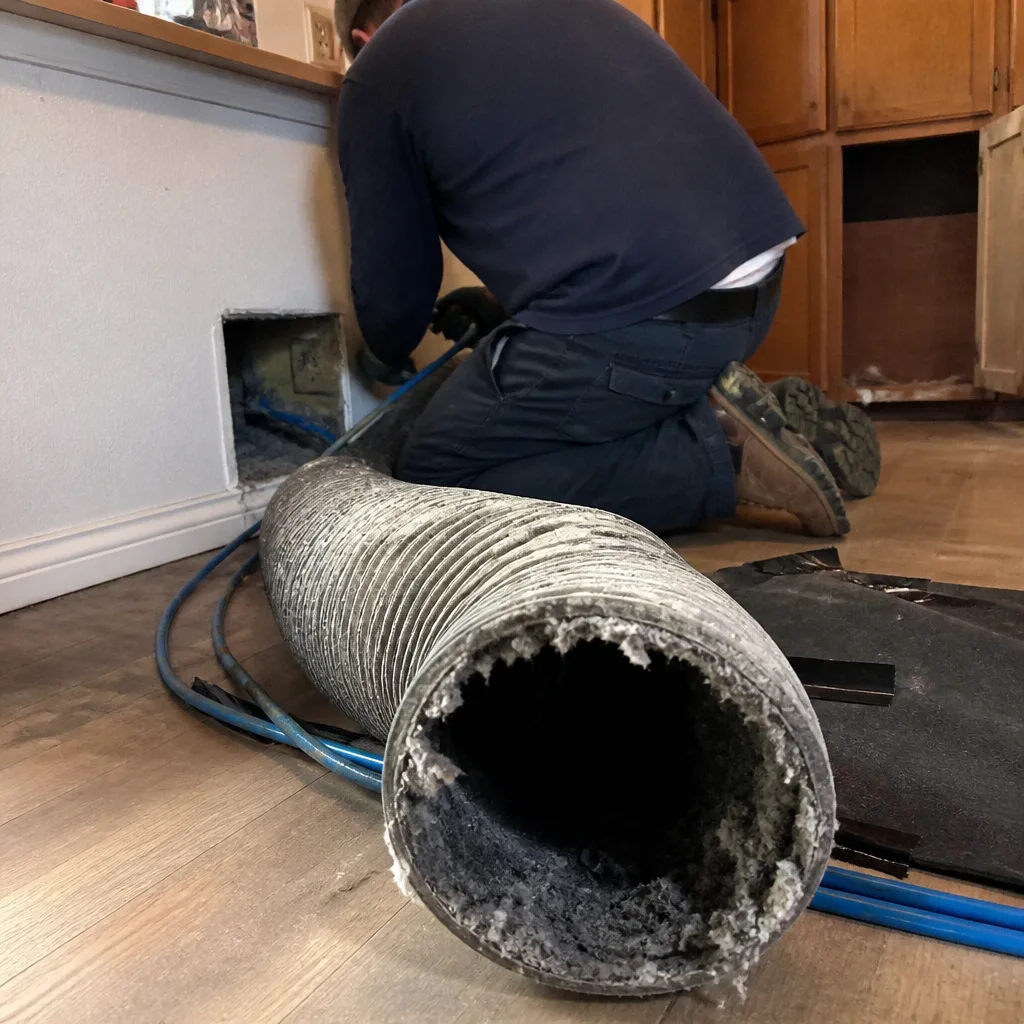 Before
 After
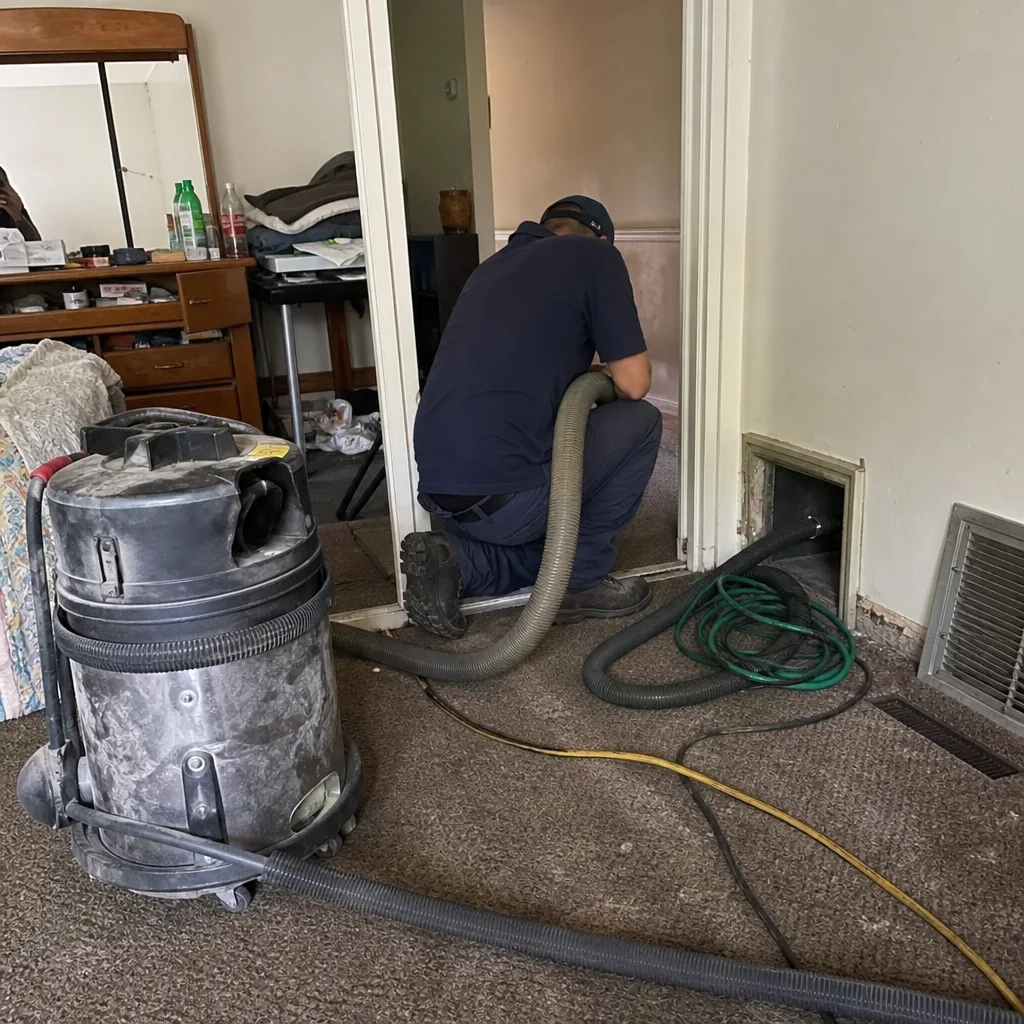 Before
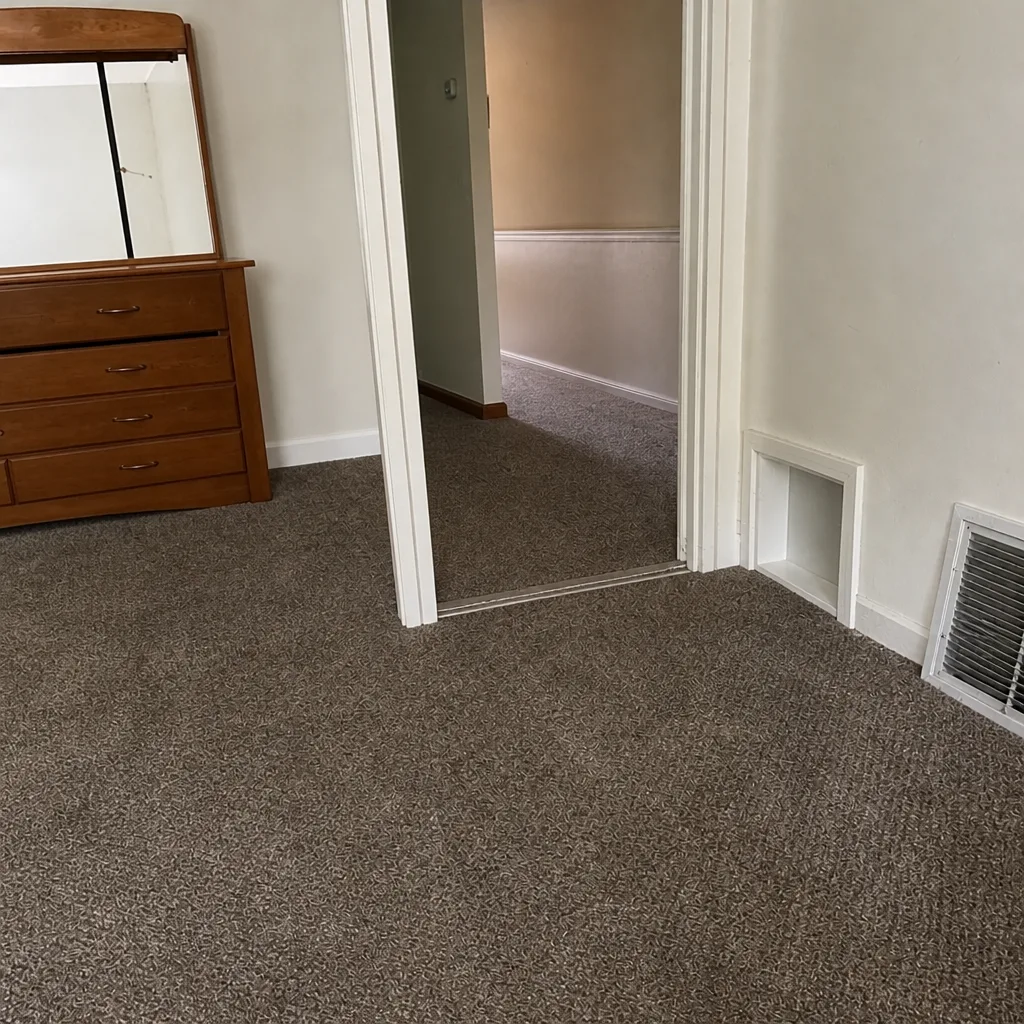 After
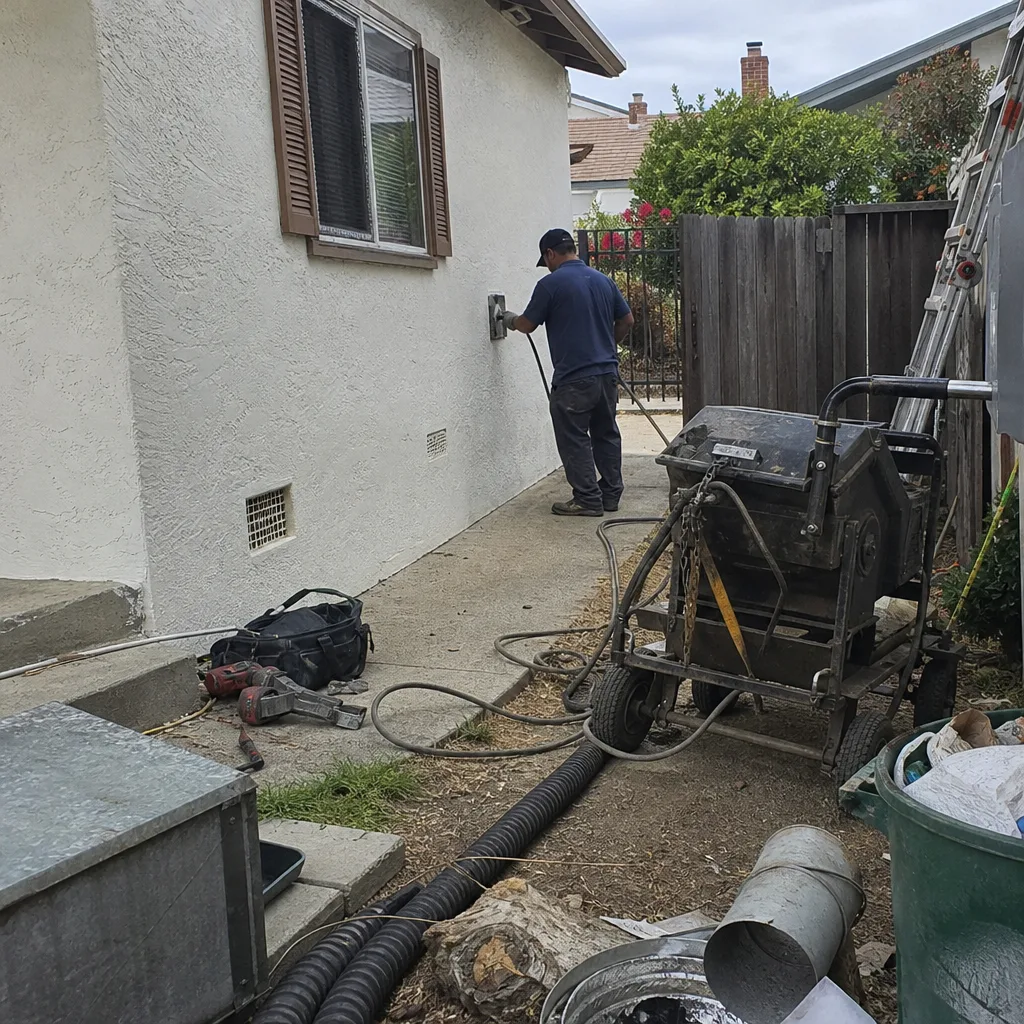 Before
 After
When to Call a Professional
You should call a professional duct cleaning company when you see visible dust around registers, when rooms stay stuffy regardless of filter changes, when your energy bills have crept upward without explanation, or when anyone in the home has unexplained allergy symptoms indoors. You should specifically call a company that also repairs ducts when you already know there is damage: disconnected runs, crushed sections, or gaps at the plenum. That combination saves you from managing two contractors. Duct Cleaning San Leandro offers free estimates in San Leandro. Call (855) 356-5880. We answer 24/7. Fast dispatch from 7am to 7pm, Sunday through Friday.
Frequently Asked Questions
No. Routine air duct cleaning does not require a permit in San Leandro or anywhere else in California. Cleaning is classified as maintenance, and the California Mechanical Code does not regulate maintenance activities.
Yes, in most cases. Any repair that involves replacing duct sections, modifying the plenum, changing duct routing, or altering the air handler connection generally requires a mechanical permit from the City of San Leandro. Small seam reseals may be exempt, but confirm with the building department before the work starts.
Whole-system air duct cleaning in San Leandro typically runs between $400 and $900 for a standard single-family home, depending on system size, accessibility, and contamination level. The final price is set by a written estimate after a visual inspection. Call (855) 356-5880 for a free estimate on your specific system.
A reputable company will stop, document the finding with photos, and discuss the repair scope with you before proceeding. If a permit is required, the repair contractor should pull it and schedule the inspection. We clean and repair on the same visit, so the permit process does not require a second company or a second appointment.
No. Dryer vent cleaning is a fire-safety maintenance task and does not require a permit in San Leandro under normal circumstances. It is also one of the most effective things a homeowner can do to reduce fire risk, since clogged dryer vents are a leading cause of residential fires.
Ask for before and after photos of the duct interior, a written scope of work, and any permit or inspection documentation. If the contractor uses professional-grade equipment, the photos will show the difference. We document every job with interior photos because they are the only honest proof the work was done.
The Bottom Line
Air duct cleaning in San Leandro does not need a permit, but the repair work that often follows it does. The line between maintenance and alteration is where California Mechanical Code Section 504 becomes relevant, and where San Leandro’s local amendments add extra requirements. Homeowners who ignore this distinction risk insurance complications and failed home sale disclosures years down the line. Keep documentation, ask about permits before work begins, and hire a company that can both clean the ducts and fix what the cleaning reveals. That combination saves time, protects your home’s value, and keeps your mechanical system square with the city.
Written by the team at Duct Cleaning San Leandro, serving San Leandro since 2018.