
Last updated November 5, 2026
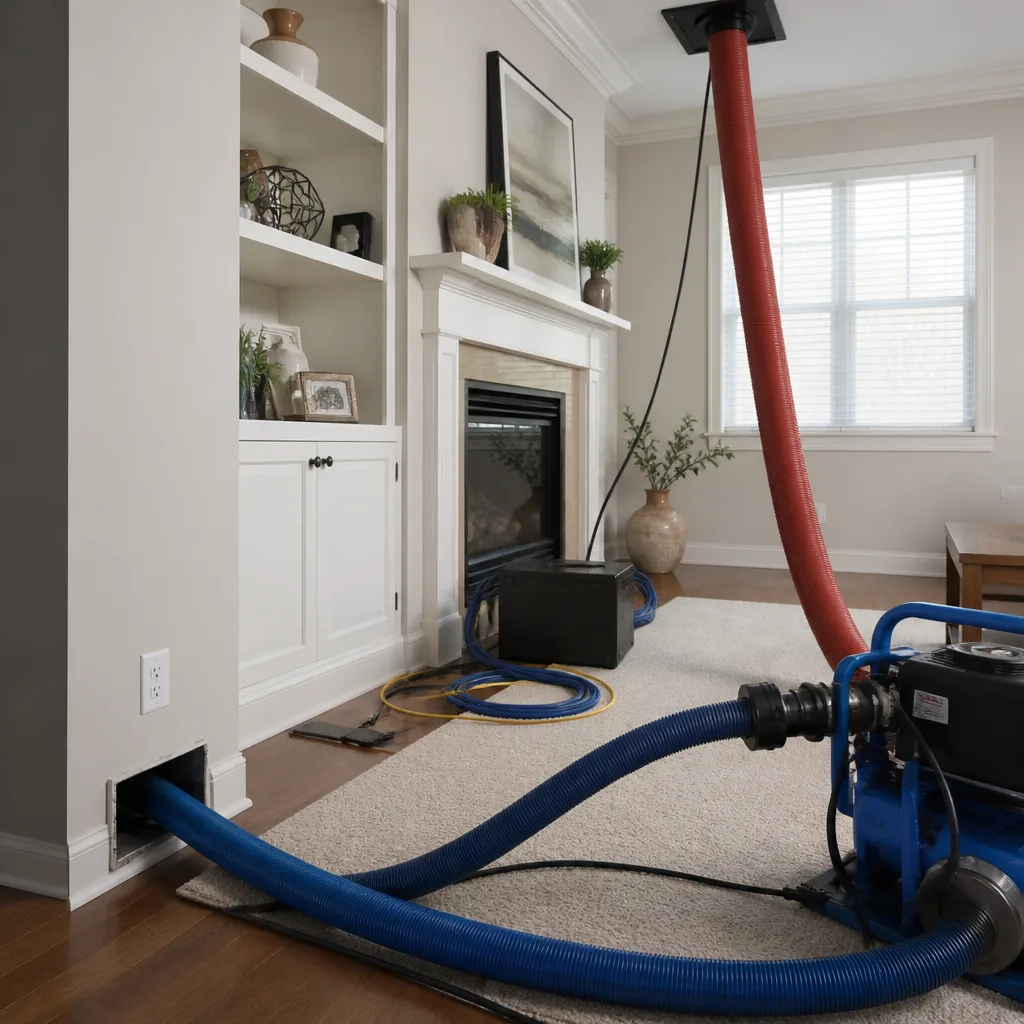 Whole-home duct cleaning
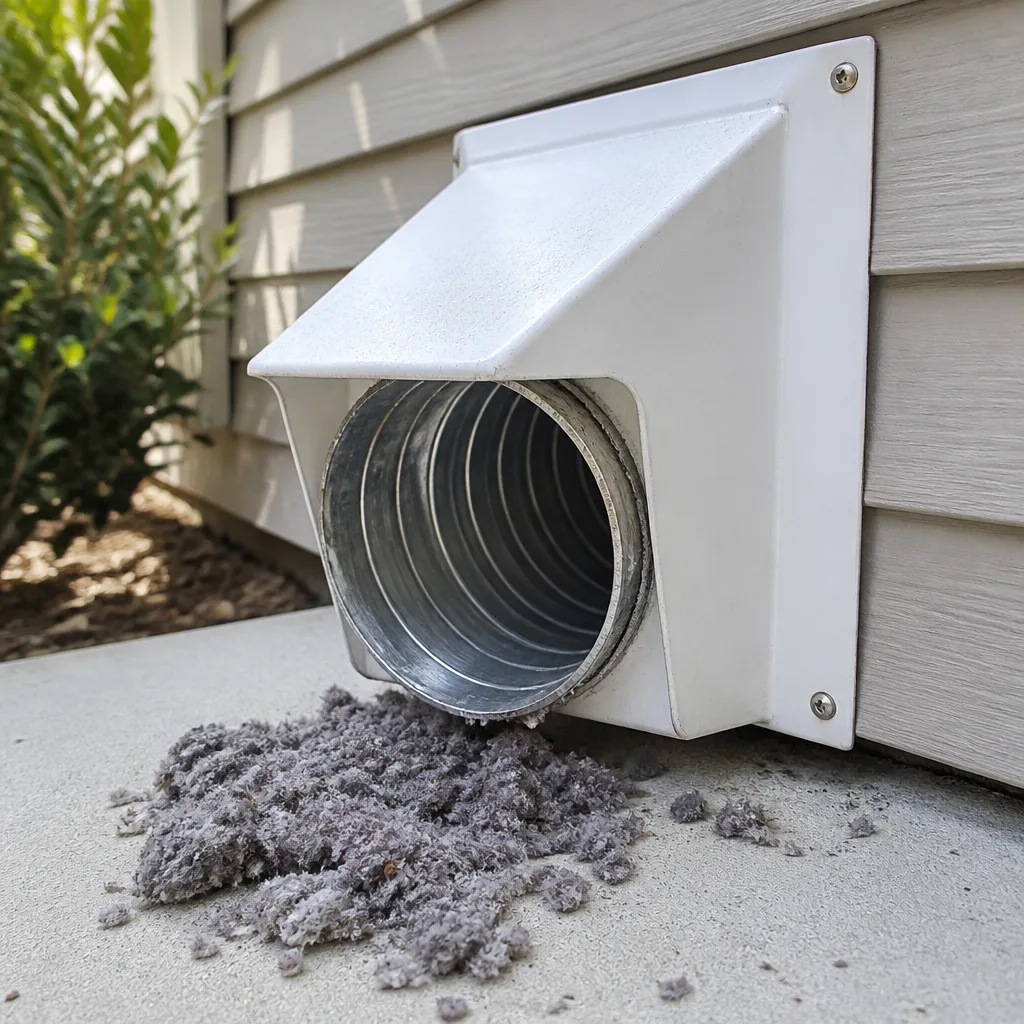 Dryer vent cleaning
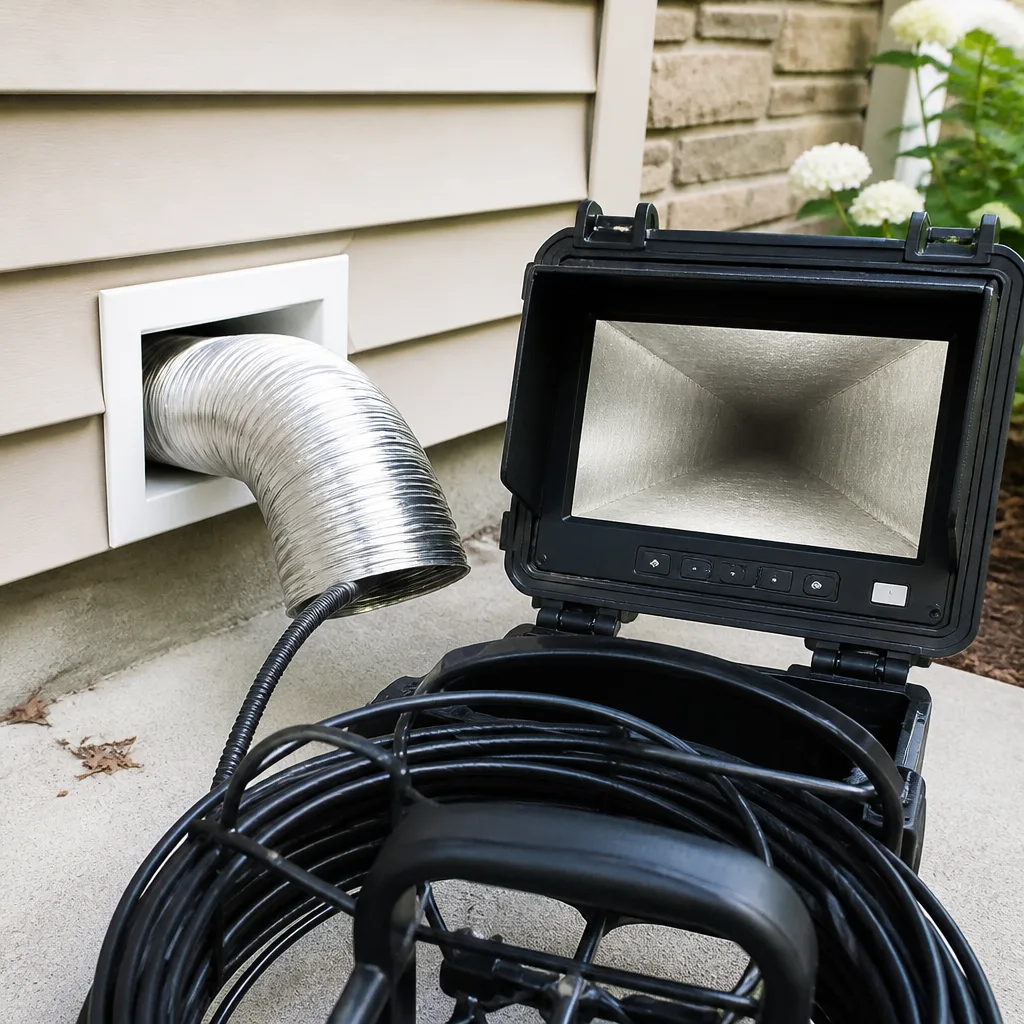 Camera inspection
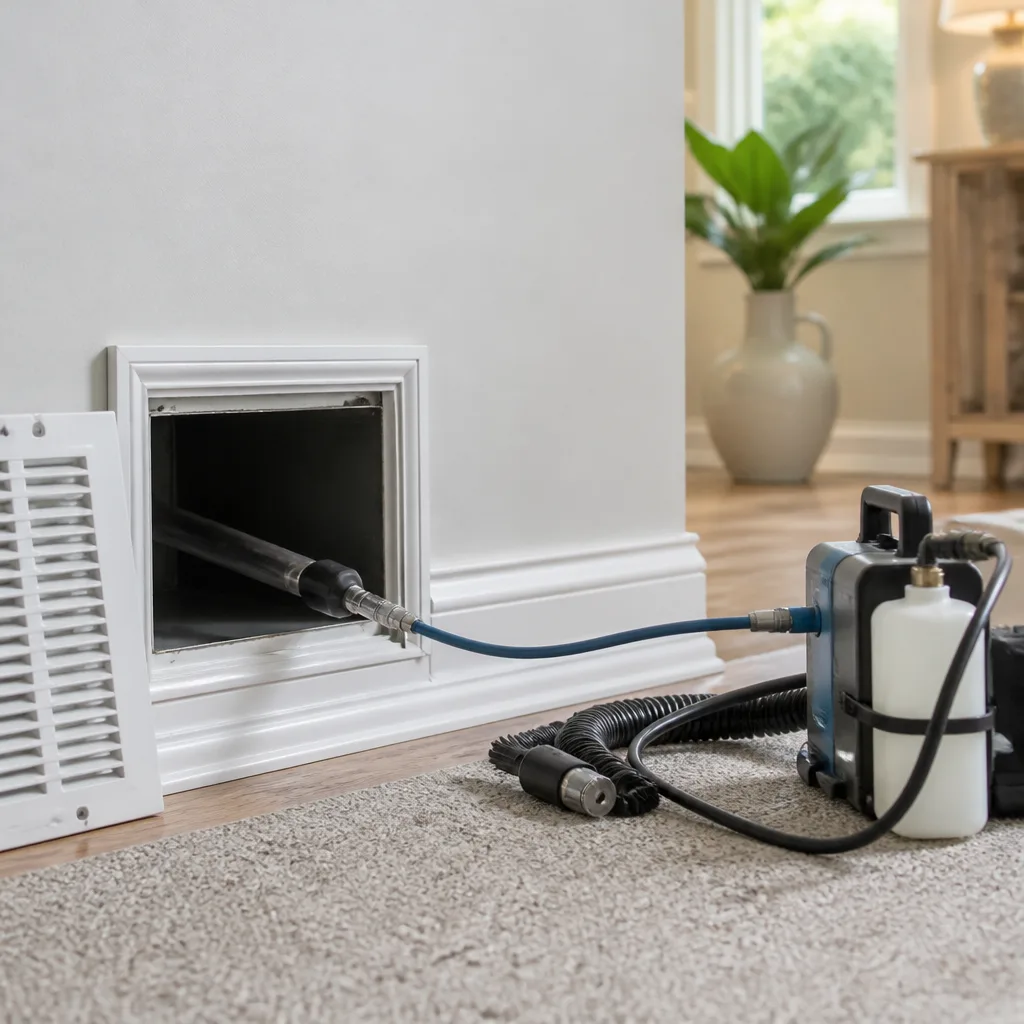 Sanitizing & deodorizing
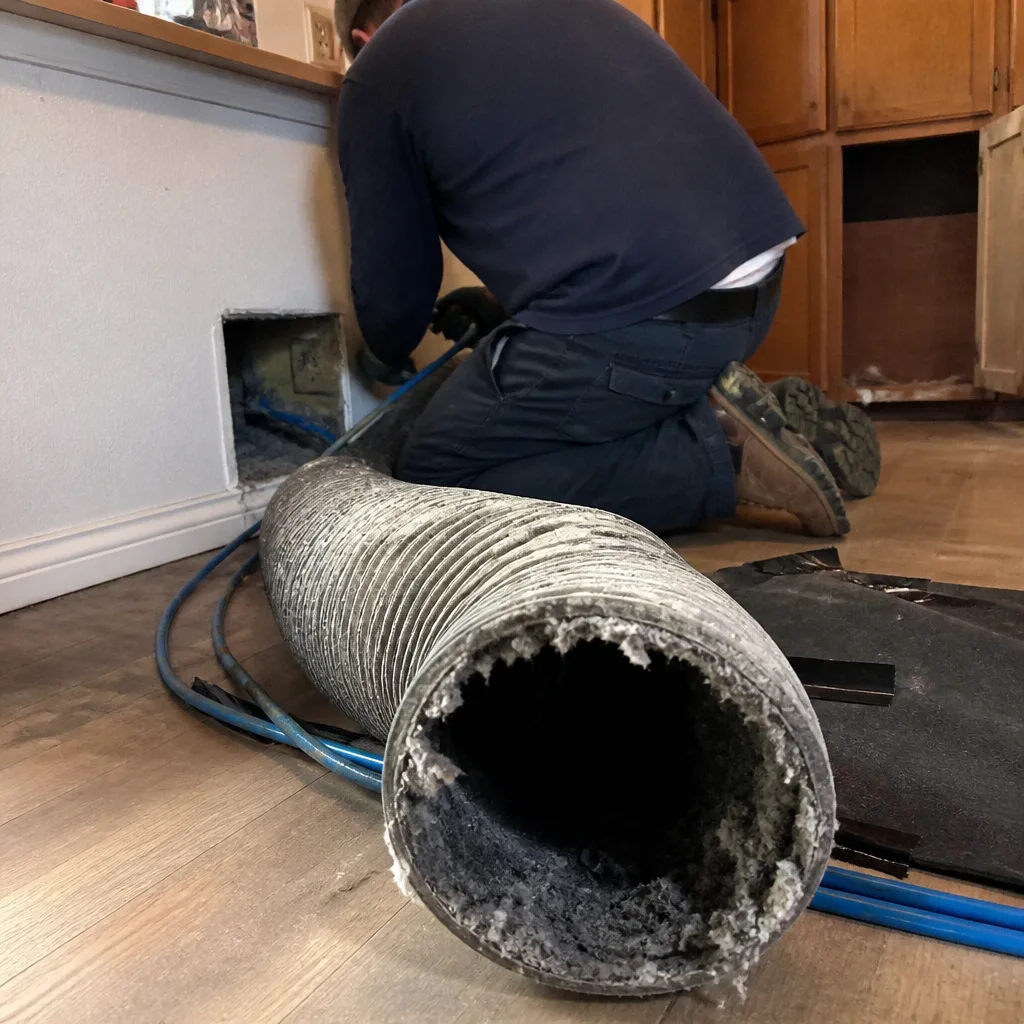
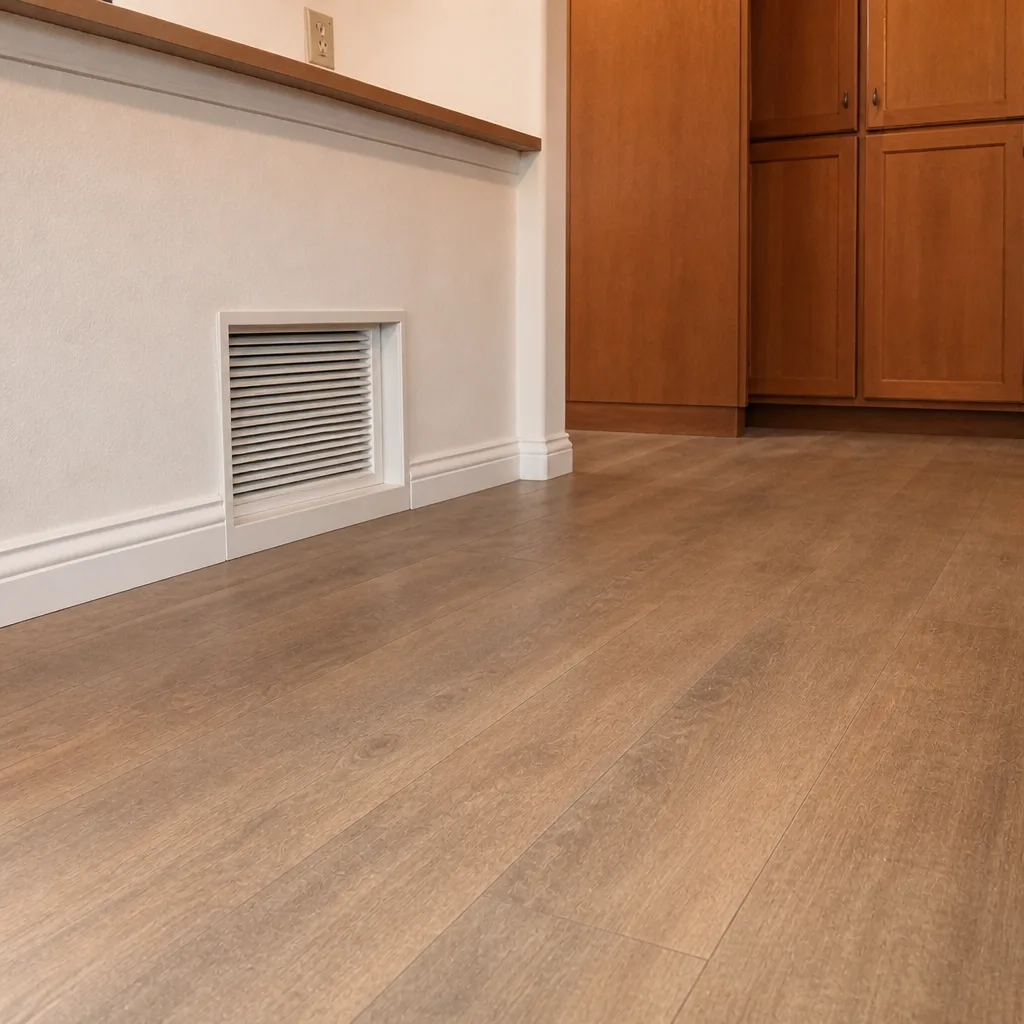
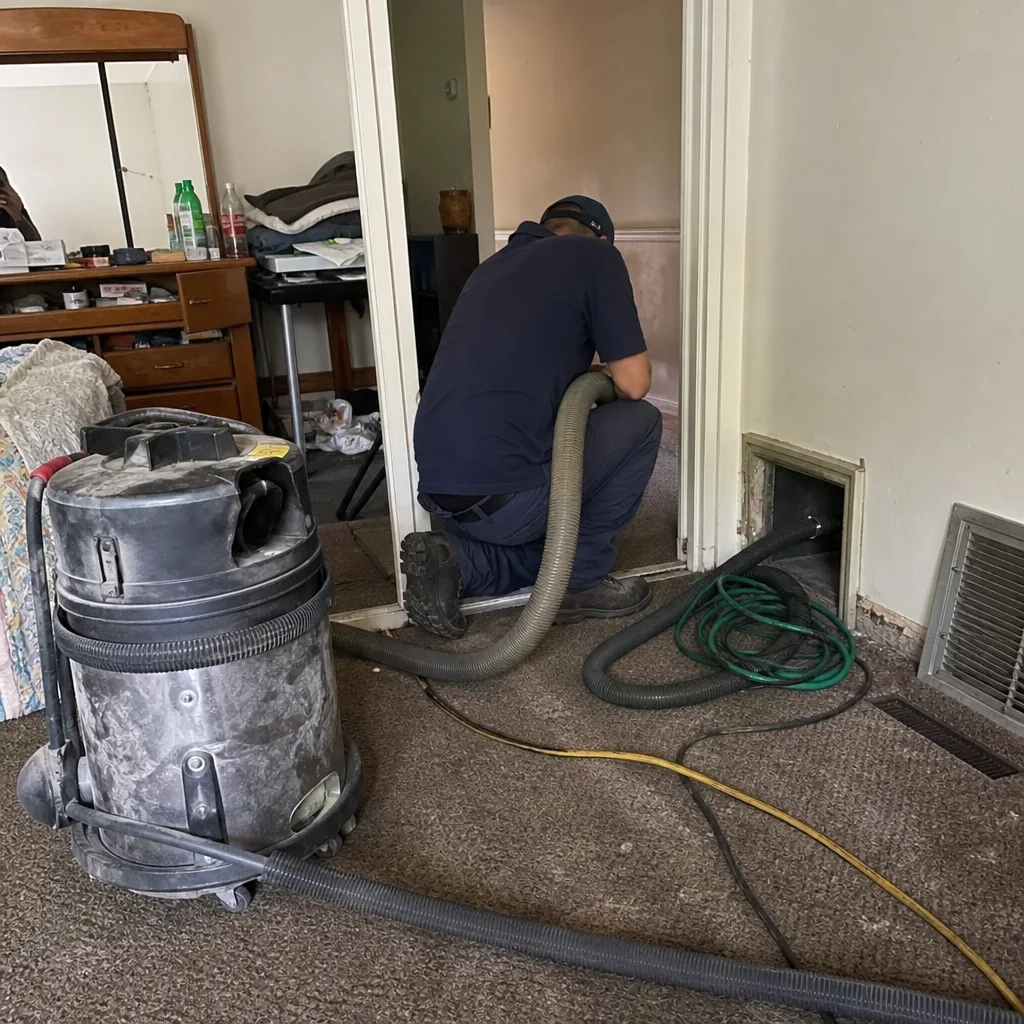
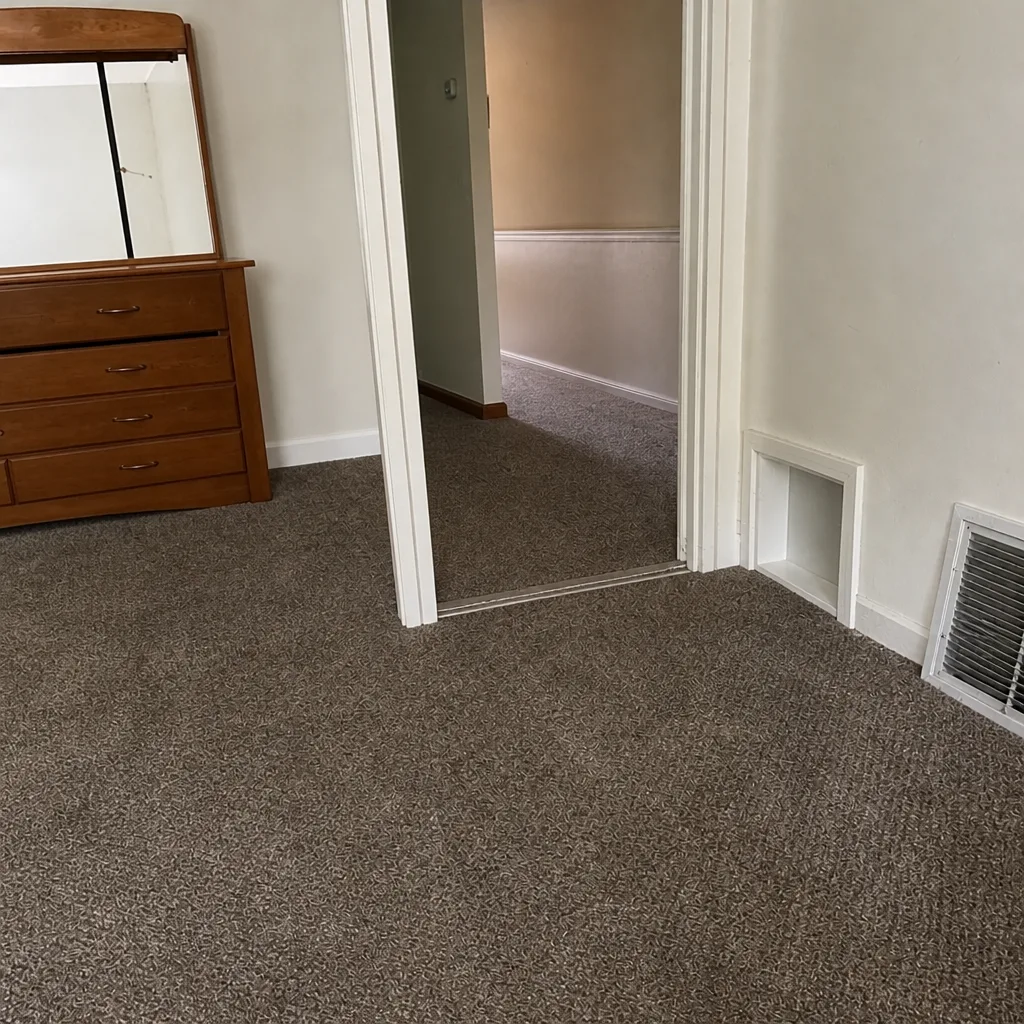
Whole-system duct and dryer vent check with before-and-after photos - you see exactly what came out of your vents
That "$99 whole-house special" is a bait ad - the real number appears once they are in your hallway, or the "clean" is a shop-vac at the register. We photograph the inside of your ducts before and after instead.
Air Duct Cleaning Maintenance Schedule: What to Do and When
Most homeowners in San Leandro have been told to clean their air ducts every three to five years. That number gets repeated so often it has hardened into gospel. But a fixed interval makes about as much sense as changing your car’s oil on the same date every year regardless of how many miles you drove. A house with two shedding dogs, a recent kitchen remodel, and a smoker in the family has a completely different contamination timeline than a pet-free home with a high-quality filtration system. This guide replaces the calendar rule with a condition-based schedule built around what actually drives duct contamination in San Leandro households, so you’ll know exactly what to do, when to do it, and what can safely wait.
Quick Answer
Most homes need professional air duct cleaning every 3 to 5 years, but that interval shrinks to 2 to 3 years with pets, smokers, recent renovation work, or allergy sufferers in the house. Between cleanings, replace HVAC filters every 60 to 90 days, wipe supply grilles monthly, and run an annual visual inspection of your ductwork. Homes in San Leandro should also schedule an off-cycle inspection after any wildfire smoke event that leaves visible ash on outdoor surfaces.
Styles & brands we work with
- Whole-home duct cleaning
- Dryer vent cleaning
- Camera inspection
- Sanitizing & deodorizing
Table of Contents
- Why a Condition-Based Schedule Beats a Calendar
- Cleaning Intervals Based on Your Household
- What to Do Between Professional Cleanings
- Wildfire Smoke and the San Leandro Maintenance Calculus
- Who Does What: HVAC Tech, Duct Cleaner, and Homeowner
- Documenting Your Cleaning History the Right Way
- Common Mistakes to Avoid
- When to Call a Professional
- Frequently Asked Questions
Why a Condition-Based Schedule Beats a Calendar
The Environmental Protection Agency’s frequently cited 3-to-5-year cleaning interval was never intended as a universal prescription. It was a range built for average conditions: a typical household, average occupancy, moderate dust levels. San Leandro households with pets, older flex duct, or annual wildfire smoke exposure are not average. They sit at the high end of contamination risk, and a one-size-fits-all timeline quietly fails them.
In our experience, the single biggest variable is pets. A single medium-sized dog sheds enough dander and hair to load a return duct visibly within eighteen months. Two dogs or a long-haired cat shorten that further. Add a smoker, and the sticky residue from tobacco smoke binds dust and pet hair to duct walls in a way dry debris never does on its own. Renovation work is its own multiplier: drywall dust, sawdust, and paint overspray pull into the return side of the system during construction and settle throughout branch runs. If you renovated a kitchen or bathroom and never cleaned the ducts afterward, you are circulating construction debris every time the blower runs.
Duct material matters too. Rigid galvanized steel duct holds less debris and cleans more thoroughly. Older flex duct, common in San Leandro homes built in the 1970s and 1980s, has a corrugated interior that traps fine particulate in the ridges. Flex duct also sags over time, creating low spots where dust collects in drifts. A condition-based schedule accounts for all of this. The calendar does not.
Cleaning Intervals Based on Your Household
The table below assigns cleaning frequency based on what is actually happening inside your home. Find the description that matches your household closest, and treat it as your baseline. If two or more conditions apply, step down one interval.
| Household Profile | Recommended Interval | Notes |
|---|---|---|
| Low-contamination: no pets, no smokers, high-quality filtration (MERV 11 or higher), no recent renovation | 4 to 5 years | Annual visual inspection is still warranted. Filter changes do most of the work here. |
| Standard: one pet or occasional smoker, standard 1-inch fiberglass filters, no major renovations in the past 3 years | 3 to 4 years | This is the profile the EPA’s range was built for. Stick with it, but verify with an annual look at the return plenum. |
| Elevated: two or more pets, one smoker, recent remodel within 2 years, or an allergy/asthma sufferer in the home | 2 to 3 years | Homes in this category typically see visible dust on supply registers within 18 months of cleaning. |
| High-contamination: multiple pets, indoor smoker, post-renovation without duct cleaning, wildfire smoke exposure with visible ash indoors, or any mold-adjacent moisture event | 1 to 2 years until the system is stabilized, then reassess | First cleaning should use HEPA-filtered negative-air equipment, not a standard truck-mounted vacuum alone. |
For renters and property managers, the same table applies, but turnover is the wildcard. A rental unit occupied by three consecutive tenants with pets over five years may need cleaning at every changeover. We have walked into San Leandro apartment units where the supply registers were visibly furred with pet hair from the previous tenant. If you manage property, treat tenant turnover as a trigger event, not a calendar event.
What to Do Between Professional Cleanings
Professional cleaning resets the system. What you do in the months and years afterward determines how long that reset holds. The maintenance tasks below are ordered by frequency, from monthly to annual.
Monthly: Wipe Supply Grilles and Return Covers
Dust collects on grille faces before it enters the duct. A damp microfiber cloth removes it in seconds. If grilles are yellowed or sticky, use a mild degreaser instead of water. This is especially important in San Leandro kitchens, where cooking aerosol and dust combine into a film that water alone will not cut.
Every 60 to 90 Days: Replace HVAC Filters
The filter is the first line of defense, and most households under-serve it. A 1-inch fiberglass filter is nearly useless at capturing fine particulate and should be replaced monthly if that is what your system takes. Pleated filters rated MERV 8 to 11 go 60 to 90 days in most households. Homes with pets should replace at 60 days regardless of rating. If you run a Honeywell or Aprilaire media cabinet with a 4-to-5-inch filter, follow the manufacturer’s 6-to-12-month interval, but check it quarterly during wildfire season.
Every 6 Months: Inspect the Return Plenum
Remove the return grille (usually the largest one, often in a hallway ceiling or wall) and look inside with a flashlight. This is not a DIY cleaning step; it is a checking step. You are looking for visible dust accumulation on the walls of the plenum, pet hair, or a gray felt-like coating. If the plenum is dusty but the system was cleaned within two years, something is pulling unfiltered air into the return side, and that is a repair issue, not a cleaning issue.
Annually: Walk the Supply Runs You Can See
In homes with exposed ductwork in the garage, crawlspace, or attic, check for sagging flex duct, disconnected joints, crushed sections, or gaps where duct tape has dried and peeled. A disconnected run pulls attic or crawlspace air directly into the living space and pushes conditioned air into unconditioned zones. This is the single most common duct defect we find in San Leandro homes, and it is a repair, not a cleaning.
Wildfire Smoke and the San Leandro Maintenance Calculus
San Leandro sits in the East Bay, and homes here feel wildfire smoke from the North Bay, the East Bay hills, and on bad years from as far as the Sierra foothills. Smoke is not just an outdoor air problem. Wildfire smoke penetrates homes through attic vents, crawlspace vents, and the natural stack effect that pulls outside air into the building envelope. Your HVAC system recirculates that air, and the fine particulate from smoke settles inside the ductwork the same way it settles on outdoor furniture.
The maintenance implication is simple: any smoke event that leaves visible ash on cars or patio furniture should trigger an off-cycle inspection of your duct system, even if your next scheduled cleaning is two years out. That inspection should include a look at the blower cabinet, the filter, and the return plenum. If smoke odor persists indoors after the outdoor air clears, the ducts and the coil are the two most likely reservoirs.
Homes with Aprilaire whole-home air cleaners or Honeywell media filtration handle smoke better than systems with standard 1-inch filters, but even those systems need a post-smoke filter check. A MERV 13 or higher filter that captured a week of heavy smoke is spent, regardless of how clean it looks. Replace it. The ducts themselves may not need cleaning after every smoke event, but the filter always does.
Who Does What: HVAC Tech, Duct Cleaner, and Homeowner
One of the most common failures in duct maintenance is role confusion. Nobody owns the system end to end, so tasks fall through the cracks between service visits. Here is the division of responsibility that keeps a system clean and functional.
The Homeowner
- Replace or maintain filters on schedule
- Wipe grilles and registers monthly
- Perform the return plenum check every six months
- Document cleaning dates and observations
- Call for professional cleaning when the condition-based triggers are met
The HVAC Technician
- Annual furnace or AC tune-up, including coil inspection
- Blower motor and capacitor service
- Static pressure testing to verify the system is moving the right amount of air
- Filter compatibility checks, particularly for Honeywell and Aprilaire media systems
- Identifying air leaks and duct defects that require repair
The Duct Cleaner
- Source-removal cleaning of supply ducts, return ducts, plenums, and registers
- HEPA-filtered negative-air containment during cleaning
- Identification of disconnected, sagged, or crushed duct runs
- Duct repair when the defect is within the duct system, including sealing leaks with mastic or foil tape
- Dryer vent cleaning as a separate, safety-critical service
The overlap matters. A good duct cleaner will flag issues an HVAC tech never sees because the tech does not open the full duct system during a tune-up. And a good HVAC tech will flag airflow problems that a duct cleaner cannot diagnose without static pressure readings. If you are only calling one of the two, you are getting half the picture. We clean it and fix it on the same visit, which collapses two appointment cycles into one.
Documenting Your Cleaning History the Right Way
A simple home maintenance log does three things. It tells you when the next cleaning is actually due based on your conditions, not a guess. It shortens troubleshooting when a problem appears. And it supports resale disclosures when you sell the home, because duct maintenance history is part of the mechanical system record buyers increasingly expect.
Here is a minimal documentation routine that takes less than five minutes per entry:
- Record the date, provider, and scope: full duct cleaning, dryer vent only, or duct repair with cleaning. Note the equipment used if the provider tells you.
- Note the filter type and rating installed at the time: this matters more than most people realize. If you upgraded from MERV 8 to MERV 13, the system’s contamination curve changes.
- Write down any observations the cleaner flagged: disconnected runs, sagging flex duct, moisture staining, pest evidence, or excessive debris in a particular branch.
- Photograph before and after images: most reputable providers, including Duct Cleaning San Leandro, will offer before-and-after photos of the duct interior. Save them in the same folder as the log.
- Set a calendar reminder for the next inspection window: if you are on a 3-year interval, set the reminder at 2.5 years so you have time to schedule before conditions degrade.
This record also protects you if a future HVAC contractor blames a system problem on dirty ducts. You will know exactly when they were last cleaned, what was found, and whether the claim holds up.
Common Mistakes to Avoid
- Cleaning on the calendar instead of on conditions. A pet-free home with good filtration does not need cleaning as often as a two-dog household with a smoker. Treat the 3-to-5-year range as a starting point, not a schedule.
- Running a cheap 1-inch fiberglass filter year-round. These filters exist to protect the equipment, not the air you breathe. A MERV 8 or higher pleated filter is the minimum for occupied homes in San Leandro, where wildfire smoke is a recurring reality.
- Assuming the duct cleaner will catch everything. A duct cleaner cannot see what is inside the coil or the blower cabinet during a standard cleaning. That belongs to the HVAC tech. If you skipped the annual tune-up, you have a blind spot.
- Ignoring a dryer vent that takes longer than 45 minutes to dry a normal load. That is the classic early warning of a restricted dryer vent cleaning need, and it is a fire hazard, not an inconvenience. Do not wait for the annual cleaning cycle to address it.
- Not cleaning after a renovation. Construction dust does not just settle into ducts; it embeds in the blower wheel and coil, reducing airflow and efficiency for the life of the system until it is removed.
- Confusing a “blow and go” cleaning with source removal. A technician who pops a register and vacuums what he can reach is not cleaning the system. Source removal uses negative-air containment to pull debris from the full duct run. Ask what equipment will be used before the appointment.
- Failing to document service dates. Without a log, you will guess. With a log, you will know. The difference matters when a buyer asks about duct maintenance during escrow.
When to Call a Professional
Call for a professional inspection if you see visible dust blowing from supply registers when the system starts, if returns are caked with pet hair, if a musty odor follows the airflow, or if rooms at the end of long duct runs have never heated or cooled properly. After any renovation that produced drywall dust, after a water leak in or near ductwork, and after any wildfire smoke event with visible ash indoors, a professional look is warranted even if you are off-cycle. Duct Cleaning San Leandro offers free estimates in San Leandro, and we show up with Rotobrush and Nikro rigs, not a shop vac and a flashlight. Call (855) 356-5880 to schedule.
Frequently Asked Questions
Most San Leandro homes need professional air duct cleaning every 3 to 5 years, but households with pets, smokers, or recent renovation work should shorten that to 2 to 3 years. The interval depends on contamination rate, not a fixed calendar. Homes exposed to wildfire smoke may need an off-cycle inspection even sooner. Call (855) 356-5880 for a free estimate if you are unsure where your home falls.
Pricing varies based on the number of systems, the extent of contamination, and whether duct repair is needed during the same visit. The final price is set per job by a written estimate after we see the system, and the estimate is free. The written estimate sets the final price, so there are no surprises when the work begins.
Ask for before-and-after photos of the duct interior. Reputable providers using professional-grade equipment can show you the interior of the supply runs and return plenum before and after the work. We photograph every job, so you can see the difference rather than take our word for it.
Cheaper quotes usually come from companies that do not run negative-air HEPA containment, do not clean the full duct run, and do not carry repair capability. They may be working with a portable vacuum and a brush, not a Rotobrush rotary system or Nikro HEPA rig. The lowest quote often buys a partial service. Ask what equipment will be on the truck before you book.
No, provided the cleaning contractor understands how those systems integrate with the ductwork. We work with and around Honeywell and Aprilaire equipment on a regular basis, and the cleaning process accounts for media cabinets, bypass humidifiers, and electronic air cleaners to avoid damaging them during service.
Sometimes. If the imbalance comes from a disconnected or crushed duct run, the fix is a duct repair, not a cleaning. Our air duct repair service addresses damaged, disconnected, or leaking ductwork on the same visit as the cleaning. If the imbalance comes from a design or sizing issue in the HVAC system itself, that belongs to an HVAC contractor, and we will tell you plainly.
The Bottom Line
Air duct maintenance is not a single task on a fixed calendar. It is a layered set of responsibilities distributed across the homeowner, the HVAC technician, and the duct cleaner. The homeowner owns the filter and the grilles. The HVAC tech owns the mechanical equipment. The duct cleaner owns the duct system, including repairs that keep it sealed and intact. If any one of those layers is neglected, the whole system degrades faster than it should.
For most San Leandro homes, a professional cleaning every 3 to 5 years is right. For homes with pets, smokers, renovation history, or wildfire smoke exposure, the interval shortens. Document everything, check the return plenum twice a year, and do not ignore a slow dryer or a dusty supply register between scheduled cleanings. When it is time for the work, call (855) 356-5880 for a free estimate. We answer 24/7. Fast dispatch from 7am to 7pm, Sunday through Friday. Your ducts carry every breath your family takes indoors, and we clean it and fix it in one visit.
Written by the team at Duct Cleaning San Leandro, serving San Leandro since 2018.
See the difference
 Before
 After
 Before
 After
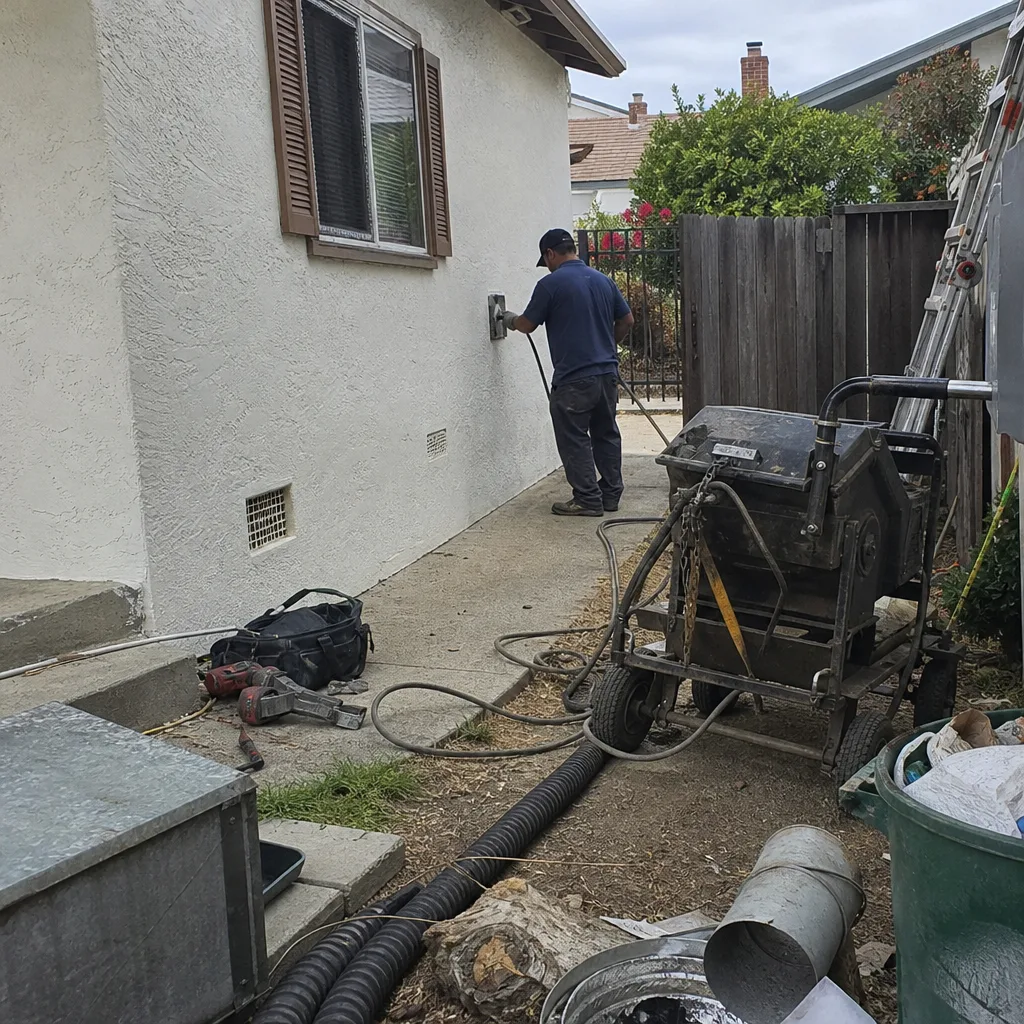 Before
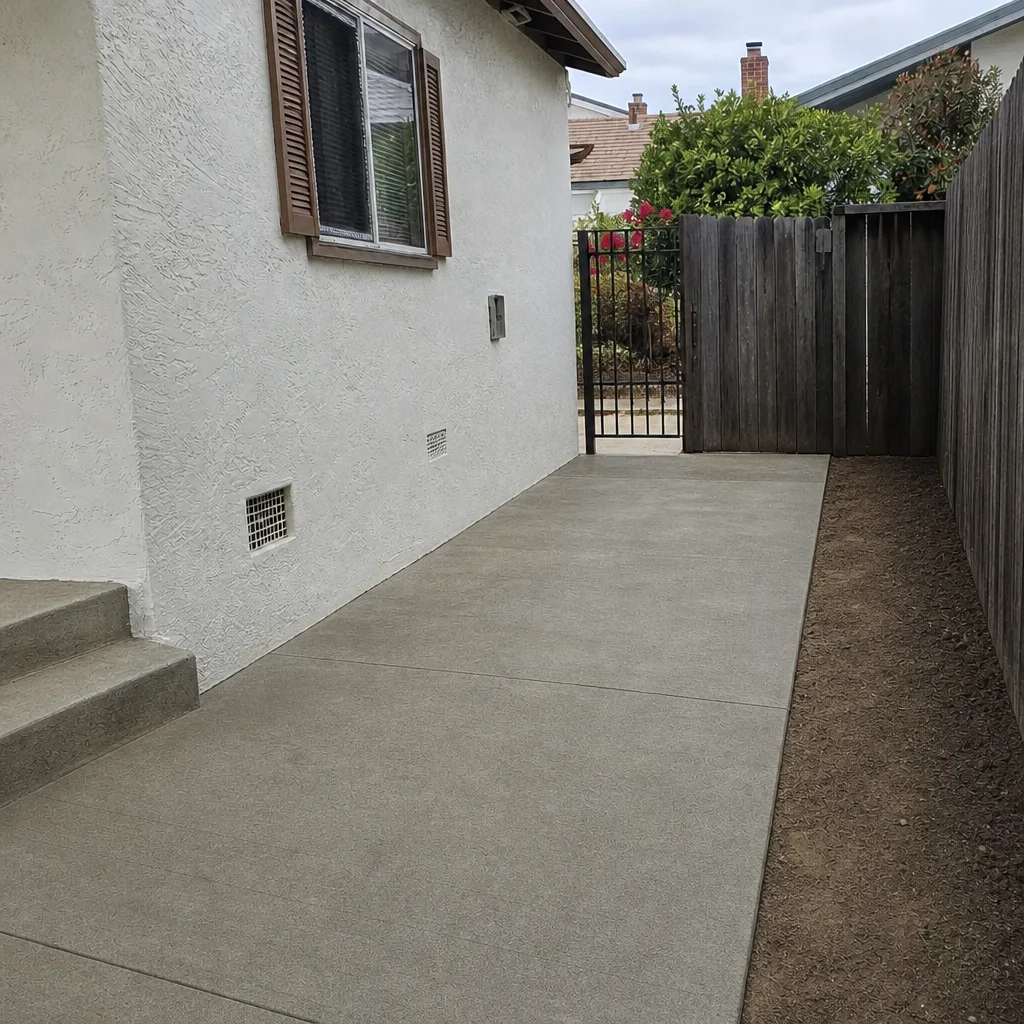 After